
Determining the right horse fence height requirements goes far beyond a quick glance at a sizing chart. Over twelve years of engineering aluminum and steel fencing for owners and ranchers across different continents, I’ve seen how a height that works beautifully for a quiet pony in a sheltered valley can become completely inadequate for a reactive thoroughbred in an open, windy paddock. Height is not a standalone number; it is one part of a system that includes the fence material, the horse’s temperament, and the local environment. This guide breaks down those relationships so you can arrive at a fence height that actually keeps your horses secure without spending more than you need.
Key Factors That Influence Horse Fence Height
Standard height recommendations, often 1.5 meters or 5 feet, serve as a useful baseline. Yet they ignore the details that turn a theoretical number into a reliable barrier. In practice, three primary influences determine whether a given height works: the horse itself, the fence construction, and the site conditions.
Horse breeds vary enormously in athletic ability and disposition. A draft horse may rarely test a fence, while an Arabian can easily clear 1.5 meters if motivated. At the same time, the way a fence presents itself visually matters. A solid aluminum panel barrier at 1.5 meters often deters more effectively than a thin high-tensile wire at the same height because the horse sees a continuous wall. Wind, snow, and uneven terrain can also reduce effective height. Snow buildup can bury the bottom 30 cm of a fence, dropping the practical barrier height. Before choosing a number, consider all three factors together.
How Fence Material Affects Effective Height
Not all 1.5-meter fences behave the same way. The material and design determine how a horse perceives the barrier and how the structure holds up over time.
Wood board fences are traditional, but they can warp and break, creating gaps that invite escape. High-tensile wire fences are economical and can be installed at heights of 1.4 to 1.8 meters, but they are practically invisible to a running horse and rely on electrical charge to deter contact. If the charger fails, a frightened horse can run straight through. Aluminum and steel panel fences, by comparison, combine structural rigidity with a broad visual face. A three-rail aluminum horse fence with a top rail at 1.8 meters and rails spaced evenly downward presents a clear physical and psychological barrier that most horses will not challenge. 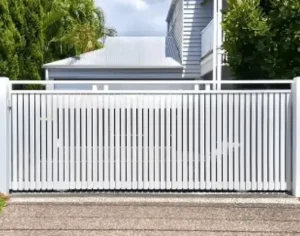
From a fabrication standpoint, we design our aluminum horse fences with top and bottom rails integrated into a welded or bracketed frame, which distributes impact loads across the panel. That load distribution means a 1.8-meter fence does not simply rely on post embedment; the panel itself helps absorb a kick or push. For the same reason, we recommend avoiding thin-walled tubing or single-wire designs at heights above 1.5 meters.
Regional Code Variations for Horse Fence Height
While manufacturer guidelines provide a starting point, local regulations can override them. In our international work, we regularly adapt fence heights to meet regional codes and climate demands. For example, many U.S. counties enforce a minimum of 54 inches (1.37 meters) for livestock fencing, while individual states like Kentucky often see thoroughbred operations using 6-foot (1.83 meters) as a practical minimum. In parts of Europe, equestrian fencing standards can require 1.3 meters for gelding paddocks and 1.8 meters for stallions. 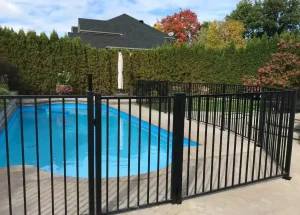
Beyond formal codes, climate shapes effective height. In regions with heavy snowfall, a fence installed at 1.5 meters in summer may only present 1.2 meters of above-snow barrier in February. We often suggest a taller post or panel height in such areas. Similarly, high-wind zones can cause wire fences to oscillate and sag, effectively lowering the tensioned height. A rigid aluminum system maintains its designed height regardless of wind. If your project location includes multiple jurisdictions or you are importing into a new country, confirming the correct local height standard is essential. Share your project location and county details with our team at sales01@yulongkeji-ch.com, and we will cross-reference typical height requirements for your area before you order.
Matching Fence Height to Horse Temperament
One of the most overlooked aspects of fence height specification is the individual horse. A 1.5-meter fence may safely contain a retired gelding but fail for a young stallion that tests boundaries daily.
The table below reflects the minimum heights we commonly recommend based on horse type, drawn from feedback we receive from ranch managers and our own installation support cases.
| Horse Type | Recommended Minimum Height | Notes |
|---|---|---|
| Ponies and Miniatures | 1.2 m (4 ft) | Low jumping risk; ensure bottom rail spacing is tight. |
| Calm riding horses | 1.5 m (5 ft) | Adequate for most leisure and school horses. |
| High-energy breeds (Thoroughbreds, Arabians) | 1.8 m (6 ft) | Higher fence and possibly a hot top wire recommended. |
| Stallions | 1.8–2.0 m (6–6.5 ft) | Combine height with solid construction; no gaps. |
| Mares with foals | 1.5 m (5 ft) | Bottom rail should be low to prevent foal crawl-under. |
Beyond breed, the individual horse’s history matters. A horse that has previously escaped will test lower fences more aggressively. In these cases, we advise raising the height by 0.3 meters above the standard recommendation and adding an angled top extension or a single strand of electric tape. These adjustments cost little relative to the risk. 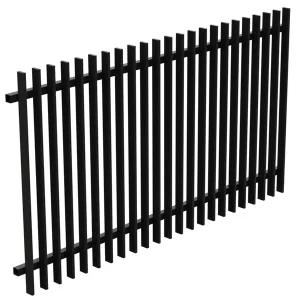
Getting the Right Height for Your Horse Fence
Standard panel heights—1.2 m, 1.5 m, 1.8 m—cover many situations, but not all. Sloping terrain, the need to match existing perimeter fencing, or housing multiple horse types on one property often requires a custom approach. Through fabrication of aluminum horse fences from 1.0 meter for miniatures to 2.2 meters for breeding stallions, we have learned that the right height depends on getting the full context: the breeds, the ground condition, and any local code documentation you have. A taller fence on lightweight, shallow-set posts will lean and fail; proper specification prevents that by matching post embedment depth, panel weight, and material gauge to the height.
If you are planning a horse fencing project and want to get the height right the first time, we can help. Share your project details, including the horse breeds you keep, your location, and any known code requirements. Our engineering team will propose a panel and post configuration with the correct heights and load ratings for your site. Reach out at sales01@yulongkeji-ch.com or call +8619086315193.
Common Questions About Horse Fence Heights
What is the standard height for a horse fence?
The most commonly referenced standard is 1.5 meters (5 feet). It works well for many pleasure horses and appears in a variety of materials, from wood to aluminum. However, this number is a starting point, not a fixed rule. In our experience, clients with show jumpers or breeding stallions routinely require 1.8 meters or more to maintain an adequate safety margin. The right number always depends on the specific animals you are containing.
Can a horse jump a 5-foot fence?
Physically, a fit horse can clear 5 feet, but whether it will attempt to do so depends on motivation, training, and how it perceives the obstacle. A solid, well-maintained 5-foot aluminum panel fence with a distinct top rail rarely invites jumping if the horse has enough space and forage. If you have a known jumper, consider adding a standoff electric wire or an angled top extension. This psychological deterrent often works more effectively than adding another half meter of height.
Do regional codes really differ for horse fence height?
Yes, they can. In the United States, many counties set a minimum of 54 inches (1.37 meters), but thoroughbred facilities in Kentucky frequently use 6-foot fencing. In Europe, standard heights often start at 1.3 meters and rise to 1.8 meters for breeding stock. Countries with large equestrian industries may have their own national standards. When we ship fencing internationally, we routinely confirm the applicable code with the client before finalizing panel dimensions.
What height do I need for a thoroughbred?
Thoroughbreds and similar high-energy, athletic horses generally require a minimum of 1.8 meters (6 feet). We often specify a four-rail aluminum design for this application, giving solid horizontal lines that appear continuous. The top rail at 1.8 meters, a bottom rail close to the ground to prevent foals from sliding under, and evenly spaced intermediate rails create a strong, visible barrier. For stallions, some owners go to 2.0 meters and add an outward-angled top section to discourage leaning.
How do I measure fence height correctly?
Fence height should be measured vertically from the final ground level to the top of the uppermost rail or wire, not the post cap. If the ground slopes, measure at the highest point under each panel to ensure the minimum height is maintained everywhere. When ordering custom panels, we always confirm that the panel height you specify is the effective barrier height, excluding post caps and decorative finials. If you are unsure about measuring your site or need custom panel heights to match your terrain, send us your site plan and we will help confirm the correct dimensions before manufacturing.
If you’re interested, check out these related articles:
Wholesale Aluminum Fence Panels: MOQ, Pricing, and Lead Time Strategies
Aluminum Fence Grades: Understanding T5 and T6 Strength
Steel Fence Quality Control: Essential Pre-Shipment Checks
Steel Fence vs Wrought Iron: Modern Options for Durable Fencing
Aluminum vs Wood Fence: Cost, Care, and Lifespan Compared