
Every horse owner eventually confronts the same paddock fence problem: wood absorbs moisture and rots, steel corrodes at weld points, and constant upkeep consumes weekends that should be spent with the animals. Aluminum paddock fencing changes that equation. It does not warp, it does not rust, and it demands almost none of the seasonal painting or board replacement that traditional materials require. Over the past twelve years, I have seen too many horse farms cycle through wood rail fences every few seasons before switching to aluminum and never looking back. The reason is simple: a well‑specified aluminum paddock fence is the last fence a horse property needs to install.
The Real‑World Problem with Traditional Paddock Fencing
Wood rail fencing looks natural and is widely available, but its lifespan in an equine environment is brutally short. Horses crib, kick, and lean, and weather cycles accelerate cracking and decay. Even pressure‑treated posts eventually soften at ground level. Steel fares better structurally, yet even hot‑dip galvanized steel fencing eventually rusts where the coating gets scratched, and those rusted edges become a constant maintenance headache. Vinyl avoids rot but lacks the impact strength to contain a frightened horse; shattered rails are not uncommon after a single hard kick. The common thread is that these materials transfer the burden of longevity onto the owner in the form of ongoing time, labor, and replacement cost.
Why Aluminum Resists Corrosion in Equine Environments
Aluminum alloy 6063‑T5, which we specify for heavy‑duty horse fencing, forms a natural oxide layer that halts corrosion in its tracks. This is not a coating that can chip or wear through as powder coat can; it is a molecular characteristic of the metal itself. Equine paddocks are exposed to urine, manure, wet hay, and constant ground moisture, each of which accelerates the degradation of steel and wood. Aluminum’s oxide barrier is self‑renewing, so even if the surface is scratched by a horse’s hoof or a gate latch, the exposed metal simply re‑forms its protective layer. Combined with a polyester powder coat in the color of your choice, the material stays clean and structurally intact through years of coastal humidity, freezing winters, or desert sun. I recall a training facility on Hainan Island where salt‑spray exposure would have destroyed galvanized rails within two seasons; their aluminum paddock fence panels, installed in 2018, still show no edge corrosion.
Alloy Selection and Load Performance
For paddock applications, 6063‑T5 provides the right balance of extrudability and post‑installation strength. The T5 temper indicates cooling from the extrusion temperature and artificial aging, which gives the profiles a yield strength around 145 MPa. This means the rails can absorb a lateral kick from a 500‑kg horse without permanent deformation. We further reinforce critical sections with internal ribbing and thicker wall sections at the rail‑to‑post connection points, which is where most failures occur in under‑specified systems. When you compare that to the bending moment a wooden 4×4 rail can handle after three years of weather exposure, the practical difference is stark.
Horse‑Safe Design: What to Look For
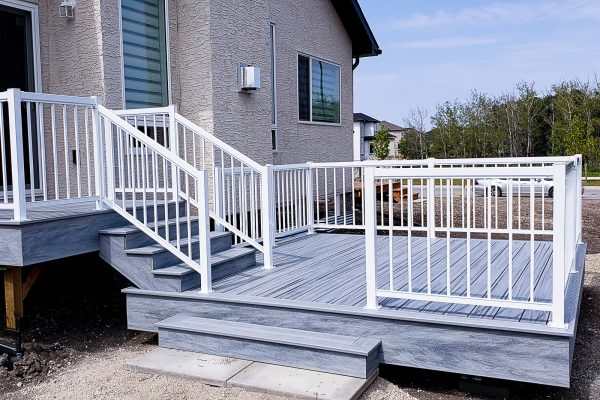
Safety in an equine fence is not measured by how it holds a static load but by what happens when a horse panics. Sharp edges, protruding fasteners, and gaps wide enough to trap a hoof or a halter are the real hazards. Aluminum paddock fencing can be extruded with fully rounded top and bottom rails and no exposed hardware on the interior face, so a horse that rubs against the rail slides off rather than cutting its skin. The rail spacing must be tight enough to prevent a foal from getting its head through yet wide enough that a rolling horse cannot get a leg stuck; around 300‑mm vertical gaps work well for most breeds. Gate latch mechanisms should also be flush‑mounted or set into the post to eliminate catch points. Whenever I walk a paddock perimeter with a customer, the first things I check are the inside corners and gate hardware zones, because that is where horses inevitably find trouble with poorly designed fences.
Post and Rail System Engineering for Equine Impact
The post is the backbone of any horse fence, not the rail. A 100‑mm square aluminum post set in concrete to a depth of 900 mm will resist the type of distributed impact that occurs when a horse runs into the fence at speed. We use a minimum wall thickness of 2‑mm for the post sections, and for stallion paddocks or high‑traffic holding pens, we upgrade to a 2.5‑mm wall and add a third horizontal rail to reduce vertical deflection. The brackets that connect rails to posts must be designed to allow thermal expansion without loosening; I have seen installations where rigid steel connectors cracked within the first year as the aluminum expanded and contracted.
Maintenance Reality: Time and Cost Over the Fence’s Life
The real cost of a fence is not what you pay for the materials on day one. It is the sum of every hour of painting, every trip to replace a rotted board, and every vet call when a horse injures itself on a broken rail. Aluminum paddock fencing removes almost all of that recurring labor. An annual wash with a garden hose keeps the powder coat clean, and a quick check of the post‑top caps and gate hinge bolts is the only mechanical inspection required. There is no sanding, no sealing, no rust converter to apply. Over twenty years, the total cost of ownership for an aluminum fence, including the initial investment, typically runs well below that of a wood rail fence that gets replaced three times, or a steel fence that demands repainting every few seasons. I encourage farm managers to run this comparison using their own labor rates because what looks like a higher upfront figure almost always inverts once the maintenance hours get added to the ledger.
Specifying Your Aluminum Paddock Fence: Key Decisions
When you are ready to order a paddock fencing system, a handful of technical choices determine how well it will perform over its service life. Below are the primary specification points we discuss with every buyer.
| Specification | Recommended Standard | Why It Matters |
|---|---|---|
| Alloy & Temper | 6063‑T5 or 6061‑T6 | Provides the extrusion quality and post‑installation strength required for equine impacts |
| Post Wall Thickness | 2.0–2.5 mm | 2.5 mm for high‑stress areas to prevent buckling under lateral load |
| Coating System | Architectural polyester powder coat, 60‑80 microns DFT | Full coverage over pre‑treatment layer; resists UV fading and barn‑chemical exposure |
| Rail Profile | Closed‑section tubular with rounded edges | Eliminates moisture ingress and reduces injury risk from sharp corners |
| Gate Hardware | Stainless steel hinges and latch with anti‑tamper design | Avoids rust and prevents accidental gate opening from horse manipulation |
Ordering Custom Configurations
Because horse farms vary widely in layout, we manufacture panels to custom widths and heights. The standard panel height for mixed‑breed paddocks is 1.4 meters, but we also produce 1.6‑meter and 1.8‑meter versions for larger warmbloods and stallions. Gate widths typically range from 1.2 m for a single horse access to 4‑meter double gates for equipment entry. Providing a simple sketch with your preferred rail count, post spacing, and gate locations is enough for us to prepare a complete bill of materials. For bulk orders, we can also pre‑assemble panels at the factory to reduce on‑site labor.
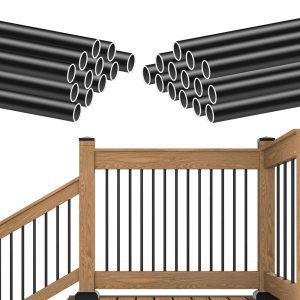
If your paddock layout includes significant slopes or you need to integrate the fence with an existing barn structure, it is worth confirming the post anchoring method and bracket type before finalizing your bill of materials. We can provide base‑plate posts for bolting to concrete pads, or extended posts for deeper embedment in sandy soil conditions. Reach out to sales01@yulongkeji-ch.com with your property dimensions, and we will return a spec sheet and a sample panel so you can verify the build quality before committing to a container order.
Common Questions About Aluminum Paddock Fencing
Is aluminum strong enough to contain a frightened horse?
Absolutely, when specified correctly. Aluminum alloy 6063‑T5, extruded in a closed tubular profile with internal reinforcing ribs, can withstand a lateral impact force that exceeds what an average 550‑kg horse generates during a panic kick. In the programs we have supported, the failure point is almost never the rail itself; it is the post embedment if the footing was inadequate. Proper concrete setting to the recommended depth eliminates that variable.
How does aluminum fencing hold up in freezing climates?
Freeze‑thaw cycles cause wood rails to split and steel to become brittle at the grain boundaries, but aluminum’s ductility and corrosion resistance remain stable well below zero. The thermal expansion of aluminum is higher than steel, so the bracket design must allow the rails to move slightly. We use slotted brackets that absorb this movement without loosening, which is why our installations in northern China and Canada have remained tight through ten winters.
Will horses chew on aluminum rails?
Horses that crib will try to chew on any accessible surface, and aluminum is no exception. However, the smooth, hard surface of a powder‑coated rail offers less purchase for teeth than wood, and we have found that cribbing straps applied to the top rail eliminate the behavior for most horses. The rail itself will not splinter or create the sharp oral injuries that cribbing on wood can cause, so even if a horse tries, the safety risk is considerably lower.
What is the minimum post depth for a paddock fence?
We recommend a minimum embedment of 900 mm for posts up to 2‑meter above grade, set in concrete. In sandy or high‑wind areas, extend that to 1 meter. The diameter of the concrete footing should be at least three times the post width to prevent the post from acting like a lever in the ground. This is one area where I never recommend cutting corners because the entire fence’s impact resistance depends on the post not moving.
Can I get a custom color to match my barn’s trim?
Yes, and it is one of the most frequently requested customizations. Our polyester powder coat line can match nearly any RAL color, and we keep a stock of the most common equestrian colors, black, white, and bronze, ready for quick turnaround. Provide your color code or a physical sample when you inquire, and we will produce a coated swatch for your approval. Whether you need a single paddock’s worth of fencing or enough to enclose an entire 40‑stall facility, share your project specifications and we will confirm stock availability and lead time. Reach our team at sales01@yulongkeji-ch.com or call +8619086315193 for a tailored quotation.
If you’re interested, check out these related articles:
Decorative Iron & Ornamental Steel Fence: Residential & Commercial Solutions
Paint & Maintain Ornamental Steel & Wrought Iron Fences
Chain Link Pool Fence: Codes, Heights, Gates & Pricing Guide
Best Aluminum Fence Styles for Residential Gardens in 2025
Source Steel Fencing from China: An Expert Import Guide