
Picking a fence material sounds simple until you start weighing what actually matters over the next twenty years. The upfront price tag tells one story, but the hours spent repainting, the replacement boards after a wet season, the gradual fading that makes a once-handsome fence look tired—those tell another. This comparison between aluminum and wood fences breaks down the structural differences, the real maintenance burden, and where the money actually goes. Both materials have their place, but the right choice depends on what you’re willing to live with long after installation day.
What Makes Aluminum and Wood Fences Fundamentally Different
Aluminum fencing systems deliver a lightweight yet structurally sound solution for property boundaries and security. At Hubei Yulong Building Materials Co., Ltd., we manufacture these systems on automated production lines, which ensures precise engineering and consistent quality across every panel. Our aluminum fences feature advanced surface treatment technology that provides exceptional corrosion resistance and weather durability. This makes them practical for diverse environments—residential communities, industrial parks, coastal properties where salt air accelerates material breakdown. The strength-to-weight ratio of aluminum allows for intricate designs without sacrificing structural integrity, which matters when you want something that looks refined but still performs.
Wood fencing offers a classic, natural aesthetic that many property owners find appealing. Common species include cedar, pine, and redwood, each with distinct grain patterns and durability characteristics. Wood fences are often selected for their traditional appearance and the flexibility to be stained or painted to match specific architectural styles. But wood is an organic material. It’s inherently susceptible to environmental degradation—rot, insect infestation, warping from moisture cycles. These vulnerabilities require regular protective treatments to maintain structural soundness and visual appeal. The decision between aluminum and wood often comes down to balancing initial appeal against long-term performance expectations and how much maintenance you’re realistically prepared to handle.
The Real Numbers Behind Installation and Ownership Costs
The financial picture of fencing extends well beyond what you pay on day one. Initial installation costs for wood fences can appear lower than aluminum, particularly for standard designs and common wood species. That initial saving, though, is frequently offset by what comes later. Aluminum fencing may have a higher upfront cost, but the minimal maintenance requirements and extended lifespan create significant long-term savings that compound over the years.
Table: Initial Cost Comparison (Aluminum vs. Wood)
| Feature | Aluminum Fence (per linear foot) | Wood Fence (per linear foot) |
|---|---|---|
| Material Cost | $25 – $50 | $15 – $40 |
| Installation Labor | $10 – $20 | $15 – $30 |
| Total Initial Cost | $35 – $70 | $30 – $70 |
These figures represent averages and vary based on design complexity, regional labor rates, and material grades. Our manufacturing processes for Aluminum Louver Fence Gate and Aluminum Privacy Fence are optimized to provide competitive pricing without sacrificing durability.
Table: Annual Maintenance Cost Estimation
| Feature | Aluminum Fence (annual) | Wood Fence (annual) |
|---|---|---|
| Cleaning | $0 – $20 | $20 – $50 |
| Staining/Painting | $0 | $100 – $300 |
| Repairs | $0 – $50 | $50 – $200 |
| Total Annual Cost | $0 – $70 | $170 – $550 |
The disparity in ongoing expenses becomes stark when you see it laid out. The advanced surface treatment technology on our aluminum products contributes to their self-cleaning performance, which reduces the need for intensive upkeep year after year.
Is an aluminum fence cheaper to maintain than a wood fence?
Yes, an aluminum fence is generally cheaper to maintain over its lifespan. Aluminum fencing requires minimal effort—typically just occasional rinsing with water to remove dirt and debris. The powder-coated finish on our aluminum products provides excellent corrosion resistance, eliminating the need for painting, staining, or sealing. Wood fences demand regular maintenance: cleaning, sanding, staining or painting, and prompt repairs when rot or insect damage appears. Those recurring material and labor costs add up. Over a decade or two, the maintenance savings from aluminum often exceed the difference in initial purchase price.
How Maintenance Demands and Durability Actually Compare
Long-term fence performance ties directly to material properties and what upkeep the material demands. Aluminum fences, engineered for durability, exhibit superior resistance to environmental stressors. Our aluminum and zinc steel fencing systems are designed with advanced surface treatment technology that ensures excellent corrosion resistance and robust weather durability. This significantly reduces the need for frequent maintenance interventions. Aluminum doesn’t rust, rot, warp, or attract insects—problems that plague wood fences throughout their service life.
Wood fences, while aesthetically pleasing, demand consistent and proactive maintenance to preserve their structural integrity and appearance. This includes regular cleaning, application of stains or sealants every two to three years, and periodic inspections for rot, pests, or structural damage. Neglecting these tasks leads to premature deterioration, requiring costly repairs or full section replacements. The lifespan of a wood fence depends heavily on installation quality, wood species, and how rigorously you maintain it. Our Aluminum Slat Fence and Aluminum Blade Fence Panels represent the kind of low-maintenance solutions that eliminate these recurring concerns.
Comparison Chart: Maintenance Tasks & Frequency
| Maintenance Task | Aluminum Fence | Wood Fence |
|---|---|---|
| Cleaning | Annually | Annually |
| Staining/Sealing | Never | Every 2-3 years |
| Painting | Never | Every 3-5 years |
| Pest Treatment | Never | As needed |
| Rot Repair | Never | As needed |
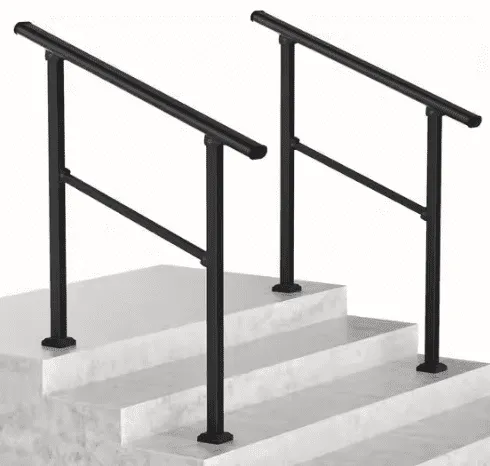
The reduced maintenance burden associated with aluminum fencing becomes clear when you see the task list side by side. The powder-coated aluminum fence benefits include a resilient finish that withstands UV radiation and moisture without fading or peeling. This engineering ensures prolonged aesthetic and functional life while minimizing repair frequency.
Lifespan, Visual Appeal, and Environmental Footprint
Fence lifespan is a critical factor when evaluating overall value and sustainability. Aluminum fences are known for exceptional longevity, often lasting thirty years or more with minimal degradation. Our products, manufactured with automated production lines and advanced surface treatment technology, are designed for long service life. They resist corrosion and weathering effectively, which translates into fewer replacements and a lower environmental footprint over time.
Wood fences typically last ten to twenty years, depending on the wood species, climate conditions, and maintenance quality. Untreated wood is particularly vulnerable to decay, and even pressure-treated wood eventually succumbs to rot and insect damage. The aesthetic appeal of both materials is subjective. Aluminum offers a sleek, modern, and often ornamental appearance, available in various designs such as Aluminum Security Fence and Residential Iron Fence. Wood provides a natural, rustic, or traditional look that can be customized with stains and paints to match surrounding architecture.
From an environmental perspective, aluminum is a highly sustainable material. It’s 100% recyclable, and the recycling process requires significantly less energy than primary production. This makes recycled aluminum fence options an eco-friendly choice for property owners concerned about environmental impact. Wood, while a renewable resource, often involves deforestation and can be treated with chemicals that pose environmental concerns. Sustainable fencing solutions increasingly favor materials with long lifecycles and high recyclability.
What the Installation Process Looks Like for Each Material
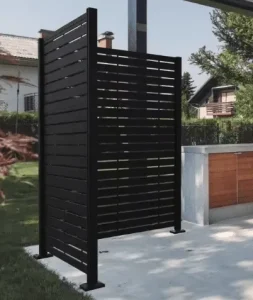
Understanding installation helps with project planning and realistic cost estimation. Aluminum fence installation procedures are generally straightforward because of the material’s lightweight nature and modular design. Our aluminum fencing systems are often supplied in pre-fabricated panels and posts, which facilitates efficient assembly. This modularity reduces on-site labor and specialized equipment requirements. Posts are typically set in concrete, and panels attach securely using brackets or interlocking mechanisms. The process ensures structural stability and proper alignment without extensive carpentry work.
Wood fence installation is more labor-intensive and requires precise carpentry skills. Posts must be dug and set, followed by attachment of rails and pickets. This often involves cutting, nailing, and screwing numerous components on-site. The weight of wood materials also demands more physical effort during handling. Complexity increases with custom designs or challenging terrain. Both DIY and professional installation options exist for both materials, but wood often demands a higher skill level to achieve a professional finish.
What are the key differences in installation between aluminum and wood fences?
The key differences center on material handling, assembly methods, and labor intensity. Aluminum fence panel assembly typically involves interlocking components or pre-drilled brackets, requiring fewer cuts and adjustments on-site. The lightweight nature of aluminum simplifies transport and positioning, which speeds up the overall timeline. Wood fence framing involves significant on-site cutting, measuring, and fastening of individual boards. This leads to longer installation timelines and greater reliance on skilled labor for proper construction and alignment.
Deciding Between Aluminum and Wood for Your Property
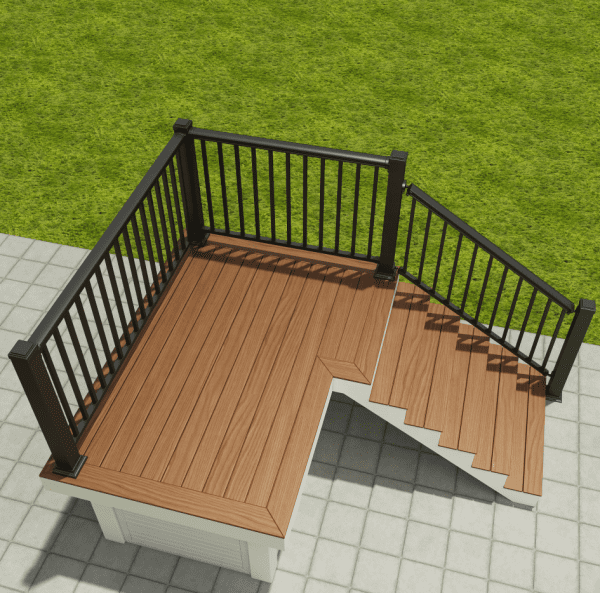
The choice between aluminum and wood fencing depends on balancing initial budget, long-term maintenance commitment, aesthetic preferences, and environmental considerations. For property owners prioritizing minimal upkeep, superior durability, and a modern aesthetic, aluminum fencing is often the optimal solution. Its inherent corrosion resistance and robust construction ensure a long service life with negligible maintenance expenditures. Our Aluminum Balcony Railing and Aluminum Stair Railing System demonstrate the versatility and performance that aluminum products can deliver across different applications.
For those who value a traditional appearance and are prepared for ongoing maintenance, wood fencing remains a viable option. It offers classic charm and can be customized to blend with natural surroundings. The recurring costs and labor associated with treating, repairing, and replacing wood components must be factored into the overall investment, though. When choosing the right fence, consider factors like privacy requirements, security needs, and how the fence contributes to property value over time.
Which fence material offers better long-term value: aluminum or wood?
Aluminum fencing offers demonstrably better long-term value than wood fencing. While the initial investment for aluminum might be slightly higher, its virtually maintenance-free nature and extended lifespan significantly reduce total cost of ownership. The absence of painting, staining, or frequent repairs for rot or insect damage translates into substantial savings over decades. This makes aluminum a highly cost-effective fencing solution, providing a superior return on investment through durability and sustained aesthetic appeal without continuous financial outlay.
Connect with Yulong Environmental Protection Building Materials Technology Co., Ltd.
For expert guidance on selecting the ideal fencing system for your municipal project, residential community, industrial park, or commercial development, contact us. Our team provides reliable solutions for urban safety protection and environmental beautification. Reach out at +8619086315193 or via email at sales01@yulongkeji-ch.com to discuss your specific requirements and explore our range of high-performance aluminum and zinc steel fencing systems.