
An aluminum screen fence post and panel system kit can look deceptively simple in a catalogue photograph, but the difference between a clean, efficient installation and a project stalled by missing parts comes down to the completeness and engineering quality of the components. Most buyers understand that a fence kit includes posts and panels, yet the hardware, structural details, and material specifications that determine whether the fence will stay plumb and corrosion‑free for years are often overlooked. This article explains what a professional‑grade screen fence kit should contain, how to assess the quality of the parts before you buy, and the questions that protect your project from unpleasant surprises after the crate is opened.
Components Found in a Complete Screen Fence Kit
A properly engineered kit does more than bundle posts and panels in a box. It includes every piece of hardware required to assemble a structurally sound fence from the ground up. The table below outlines the core components and what to look for in each.
| Component | Typical Material | Quality Indicator |
|---|---|---|
| Posts | Aluminum 6063‑T5 or hot‑dip galvanized steel | Wall thickness ≥2.0 mm; cleanly welded base plates |
| Panels | Powder‑coated aluminum frames with infill blades or laser‑cut sheets | Frame channel depth ≥25 mm; consistent panel flatness |
| Post caps | Injection‑molded polymer or cast aluminum | UV‑stabilised; snap‑fit or screw‑retained |
| Base plates / brackets | Aluminum alloy or stainless steel | Welded to post; pre‑drilled anchor holes |
| Fasteners | 304 or 316 stainless steel screws and bolts | All screw lengths packaged separately by assembly step |
| Anchor bolts | Galvanized or stainless steel expansion anchors | Match post hole diameter; sufficient length for concrete embedment |
| Adjustment shims / clips | Polymer or stainless shim stock | Included to plumb posts on uneven surfaces |
Many kits omit seemingly minor pieces that cause major delays. I have seen projects where a container of panels arrived without the matching self‑drilling screws, or where post caps were supplied in a generic size that fitted loosely on the extrusions. A factory‑engineered kit spares the contractor from sourcing these parts on site.
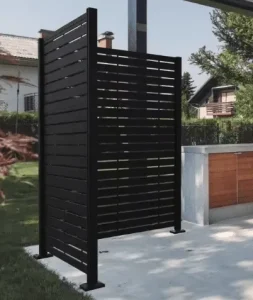
A complete kit also provides a detailed bill of materials and a numbered installation schematic. Without this documentation, verifying kit completeness at delivery becomes guesswork.
Material Specifications and Structural Quality Markers
Not all aluminum screen fence kits are built to the same structural standard. The metal grade and coating system determine how the fence will handle wind, temperature swings, and moisture.
The framework should use 6063‑T5 aluminum extrusions, which offer a balance of corrosion resistance and mechanical strength suitable for outdoor architectural applications. Post wall thickness of 2.0 mm to 3.0 mm is common for residential systems; commercial or high‑wind sites may require thicker sections. For steel posts, a hot‑dip galvanized coating of 80 µm or greater prevents rust, particularly at the base where water collects.
Powder coating on the panels and posts requires equally close attention. A properly applied polyester powder coat at 60 µm to 80 µm, cured in a controlled oven, resists chalking and colour fade far longer than a thin, electrostatic spray‑and‑bake job. In our factory, we bake panels at controlled temperatures to ensure the powder cross‑links correctly, because a coating that looks fine out of the box but peels after two summers is no coating at all.
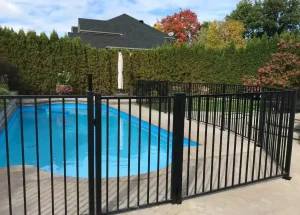
Fasteners are the silent failure point. Even a marine‑grade aluminum frame will suffer galvanic corrosion if paired with cheap zinc‑plated screws. The kit should supply 304 stainless steel screws as a minimum, and 316 stainless for coastal environments. A supplier that cannot state the fastener grade on the packing list is cutting costs where it matters most.
If your project faces salt spray or sustained wind above 90 mph, it is worth confirming the exact alloy and coating specification before you commit to a purchase. Send your site conditions to sales01@yulongkeji-ch.com and we can help you verify that the kit specification matches the environmental load.
Planning Your Layout and Post Spacing
A screen fence kit typically assumes a standard bay width, commonly 1800 mm or 2400 mm between post centers. Before ordering, measure the total run and confirm whether the supplier can adjust panel widths for odd end‑bays; customised panels avoid the need to cut and re‑weld on site.
Post footings must be sized for the wind load acting on the solid panel face. A 1.8 m‑tall screen panel in an exposed location can generate enough wind moment to loosen undersized footings within a season. We require a footing depth of at least 600 mm for standard installations, with a diameter calculated for the soil type. Pre‑drilled base plates with square alignment holes speed up the plumb‑and‑level step dramatically.
When laying out the line, allow exactly 5 mm to 8 mm clearance between panel end and post face. This gap accommodates thermal expansion of the aluminum frame and prevents binding that can pop fasteners. The kit hardware should include adjustment shims to fine‑tune panel elevation on sloping ground.
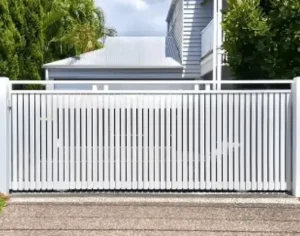
A common blind spot is the gate opening. If the kit includes a matching pedestrian gate or double‑drive gate, verify that the gate posts are heavier‑gauge than the line posts and that the hinge mounting plates are welded, not screwed, to the post. Gate posts carry the dynamic load of the leaf swinging, and a screw‑fixed bracket will work loose over time.
What to Ask Before Buying a Screen Fence Post and Panel System
Vetting a supplier thoroughly before placing a bulk order prevents the most common sourcing headaches. These questions separate a manufacturer that understands the complete system from a trading company that ships a box of parts.
Can the supplier provide a certified mill certificate for the aluminum extrusion? The certificate should reference the alloy designation and heat treatment, e.g., 6063‑T5 or 6061‑T6. Without it, the metal may be a lower‑grade remelt that will soften faster under sun exposure.
How does the supplier handle custom dimensions and laser‑cut panel designs? A factory with in‑house CNC punching and laser cutting can adjust panel infill patterns without sub‑contracting, which reduces lead time and cost. Request samples with your custom design cut into a small panel before approving the full run.
What is the packaging standard for export? Panels should be separated by foam or corrugated board, stacked on pallets with edge protectors, and stretch‑wrapped. Each pallet needs a packing list that matches the kit’s bill of materials. Loose‑loaded components cause transit damage and missing‑part disputes every month.
What certifications back the claims? Look for SGS or equivalent third‑party test reports on powder coating adhesion and salt spray resistance. A CE marking on the packaging indicates the fence system meets EU structural and safety standards, which is useful even for non‑EU markets as an independent quality reference.
Getting clear answers to these questions before payment can prevent weeks of back‑and‑forth later. If a supplier hesitates or provides only verbal assurances, that is a signal to move on. We routinely send full specification packets and coating test reports with every quotation; if you would like to review a sample pack for an upcoming project, contact us at sales01@yulongkeji-ch.com or call +8619086315193, and we will prepare a tailored component checklist and pricing within 48 hours.
Questions to Ask When Evaluating a Screen Fence Kit
How can I verify that all parts are in the crate before my crew arrives?
Open every box against the supplier’s packing list and count each fastener type separately. Do not rely on the “assorted hardware” tag. Photograph any discrepancies and email them to the supplier immediately. A responsible factory will air‑freight missing parts without charge. If the supplier did not include a detailed packing list, insist on one before accepting the shipment.
Are steel posts a better choice than aluminum posts for a screen fence?
It depends on the site. Hot‑dip galvanized steel posts are stronger per cross‑section and less expensive, but they weigh more and will rust if the coating is damaged during handling. Aluminum posts are lighter, never rust, and match the panel frame visually. For residential projects under 1.8 m height, aluminum is usually sufficient. For high‑security or very tall screens, steel posts with a certified coating may be the safer option.
Can I install a screen fence kit without a concrete footing?
Some lightweight decorative screens can use ground spikes in compacted soil, but I would not recommend it for any panel over 1.2 m tall. A spike does not resist overturning moment the way a concrete footing does. The post will lean over time, especially if the screen catches wind. Core‑drilling into an existing concrete slab is a different method, but it still requires a chemical anchor rated for the pull‑out force.
What should I do if I order a custom laser‑cut panel design and it arrives with sharp burrs?
Laser‑cut edges must be deburred and often re‑coated after cutting, because the cut line removes the powder coating. A high‑quality factory will apply a clear edge sealant or re‑bake the panel after cutting. If the panel arrives with sharp burrs and bare aluminum at the cut edges, it will corrode starting at those points. Document the condition and ask the supplier to explain their post‑cut treatment process. If the explanation is vague, send photos of the edges to sales01@yulongkeji-ch.com and we can tell you whether the defect is cosmetic or structural.
How do custom sizes affect the kit price and lead time?
Custom panel widths and heights typically add a tooling setup fee if the extrusion profile is non‑standard, though many factories keep common moulds for 1800 mm, 2100 mm, and 2400 mm panel widths without extra charge. Lead time extends by 7–14 days for custom cutting and coating versus standard stock items. The most accurate way to price a custom kit is to share your running‑line dimensions and panel height requirement with the manufacturer early. You can email your site plan to sales01@yulongkeji-ch.com and we will return a line‑item quotation that breaks down the cost impact of any custom elements.
If you’re interested, check out these related articles:
Decorative Aluminum Gate Panels: Modern Home Design Solutions
Stainless Steel Vertical Cable Railing: Design, Specs, & Factory Pricing Guide
YLOONG Factory Tour: Aluminum Fence Manufacturing Excellence
Steel Fence vs Wrought Iron: Modern Options for Durable Fencing
Aluminum Perimeter Fencing for Solar Farms: Key Specifications and Global Sourcing