Solar farms represent significant capital investments, and watching one sit exposed to theft or vandalism is genuinely unsettling for anyone who has worked on these projects. The panels themselves are valuable, but the real cost of a security breach extends far beyond replacement parts—it includes downtime, insurance complications, and the operational headaches that follow. Aluminum perimeter fencing has become the go-to solution for protecting these assets, and for good reason. The material handles outdoor exposure remarkably well, requires almost no upkeep, and outlasts most alternatives by a wide margin. This piece covers the technical specifications that matter when selecting aluminum fencing for solar installations, along with practical sourcing considerations for developers working across different markets.
Why Solar Farms Need Serious Perimeter Protection
Unprotected solar farms attract trouble. Equipment theft, deliberate damage, and unauthorized access create financial losses that can derail project economics. Beyond the immediate cost of stolen or damaged panels, there’s the energy production that stops while repairs happen. Insurance claims take time. Replacement parts need ordering. Crews need scheduling.
An aluminum perimeter fence serves as the first line of defense, creating a physical barrier that discourages casual intruders and forces determined ones to work harder. It channels all legitimate traffic through designated access points where monitoring and control become manageable. This approach to solar panel protection keeps high-value components secure while maintaining the operational flow that renewable energy projects depend on.
Technical Specifications That Actually Matter for Aluminum Solar Farm Fences
Choosing aluminum perimeter fencing for a solar installation requires looking past marketing claims and into the actual specifications. The numbers and standards determine whether a fence will perform for decades or start failing within years. Project managers and engineers benefit from understanding these parameters before procurement conversations begin.
Aluminum Grades and Surface Treatments That Resist Corrosion
Aluminum naturally resists corrosion better than steel, but the specific alloy grade makes a meaningful difference. Alloys like 6061-T6 and 6063-T5 offer the strength-to-weight balance that outdoor fencing demands. These grades handle structural loads without excessive material thickness while maintaining their integrity in humid, salty, or chemically aggressive environments.
Surface treatments push corrosion resistance further. Powder coating applies a durable protective layer that blocks UV degradation and weather damage. The finish stays consistent for years without the fading or chalking that affects lesser coatings. Anodization takes a different approach, thickening the natural oxide layer on the aluminum surface to create a harder, more chemically resistant barrier. Both treatments undergo salt spray testing to verify performance in coastal or industrial settings where rust-proof fencing is essential.
| Feature | Aluminum Fence (Hubei Yulong) | Galvanized Steel Fence |
|---|---|---|
| Corrosion Resistance | Excellent (Powder Coated/Anodized) | Good (Zinc Coating) |
| Weight | Lightweight | Heavy |
| Maintenance | Very Low | Moderate (Rust Risk) |
| Lifespan | 30+ Years | 15-25 Years |
| Recyclability | High | Moderate |
| Cost (Long-term) | Lower | Higher (Maintenance) |
Structural Engineering for Wind and Intrusion Resistance
A fence that blows over in a storm or bends under pressure from someone trying to climb it fails at its basic purpose. Structural design addresses both concerns through careful specification of post spacing, section profiles, and foundation depth.
Wind load calculations determine how far apart posts can be placed while maintaining stability. The answer varies by region—a fence in a hurricane zone needs different engineering than one in a sheltered valley. Post profiles and wall thicknesses must match these requirements, with deeper ground penetration providing additional resistance against lateral forces.
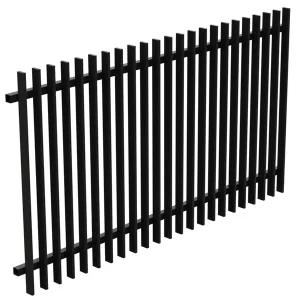
Anti-climb features add security value. Closely spaced vertical pickets eliminate footholds. Anti-climb spikes or razor wire integration at the top create additional deterrence. The mesh infill, where used, needs sufficient strength to resist cutting tools. These considerations protect solar assets from both weather and deliberate intrusion attempts.
The Case for Aluminum Over Steel in Solar Farm Applications
Steel fencing has a long history in perimeter security, but aluminum offers advantages that matter specifically for solar farm environments. The material properties translate into real operational benefits over the decades-long lifespan of a solar installation.
Maintenance Realities and Long-Term Cost Comparisons
Steel rusts. Even galvanized steel eventually loses its zinc coating and begins corroding, especially at cut edges, welds, and areas where the coating gets scratched during installation or maintenance. This means periodic inspections, touch-up painting, and eventual replacement of degraded sections.
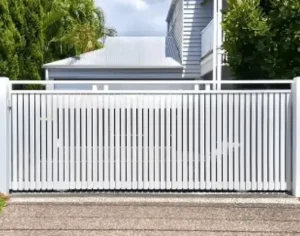
Aluminum perimeter fencing sidesteps these problems entirely. The material cannot rust, and properly applied powder coating or anodization maintains its protective function without intervention. Labor costs for maintenance drop to near zero. Material costs for repairs become negligible. Over a 30-year project lifecycle, these savings compound significantly.
The initial purchase price of aluminum fencing may run comparable to or slightly higher than galvanized steel. The lifecycle cost analysis tells a different story. When maintenance labor, repair materials, and earlier replacement timing for steel are factored in, aluminum consistently delivers better value.
Sustainability Alignment with Renewable Energy Goals
Solar farms exist to generate clean energy. Using fencing materials that align with environmental values reinforces the project’s purpose. Aluminum scores well on sustainability metrics that matter.
The material recycles efficiently. Aluminum can be melted and reformed repeatedly without losing its structural properties, and recycled aluminum requires only about 5% of the energy needed to produce new aluminum from ore. This recyclability contributes to carbon footprint reduction across the project’s lifecycle.
Choosing eco-friendly fencing materials demonstrates commitment to environmental protection beyond the energy generation itself. For projects pursuing green building certifications or sustainability reporting, aluminum fencing supports those goals.
Understanding the full range of available fencing solutions helps match specific project requirements with appropriate products. If you’re interested, check 《YLOONG Solutions: Engineered for Security, Designed for Performance》.
Evaluating Suppliers and Managing International Procurement
Large-scale solar farm fencing projects require suppliers who can deliver consistent quality at volume while navigating international logistics. The evaluation process should examine manufacturing capabilities, quality systems, and supply chain reliability.
What to Look for in a Fencing Manufacturer
Production capabilities reveal much about a manufacturer’s ability to meet project demands. Automated production lines indicate consistent output quality and the capacity to handle bulk orders without quality degradation. Advanced surface treatment technology—dedicated powder coating lines or anodization facilities—suggests the manufacturer controls critical quality factors in-house rather than outsourcing them.
Quality certifications provide independent verification. ISO 9001 certification indicates documented quality management systems. Factory audits offer direct observation of production standards, material handling, and quality control processes.
Technical support availability matters for complex projects. Can the manufacturer’s engineering team review specifications and suggest optimizations? Will they provide installation guidance and after-sales service if issues arise? These capabilities distinguish suppliers who function as partners from those who simply fill orders.
Hubei Yulong Building Materials Co., Ltd. operates with automated production lines and advanced surface treatment technology, delivering aluminum perimeter fencing with the corrosion resistance and weather durability that solar farm applications demand.
Logistics Planning for International Projects
Moving fencing materials across borders introduces complexity that requires proactive management. Lead times need realistic estimation, accounting for production, shipping, customs clearance, and inland transport to the project site.
Export documentation must be complete and accurate to avoid customs delays. Shipping coordination requires attention to container loading efficiency and protection against transit damage. Delivery schedules should build in contingency for the inevitable minor disruptions that affect international supply chains.
Experience with international markets smooths these processes. A supplier who has successfully delivered to similar projects in the target region understands the specific documentation requirements, shipping routes, and potential bottlenecks.
Getting Installation Right for Long-Term Performance
Quality materials perform poorly when installed incorrectly. Proper installation practices and attention to local regulatory requirements protect the investment and ensure the aluminum perimeter fencing delivers its expected service life.
Foundation and Post Installation Fundamentals
Ground conditions vary dramatically across solar farm sites. Sandy soils, clay, rock, and mixed conditions each require different approaches to post installation. A thorough site assessment identifies these conditions before installation begins.
Concrete footings anchor posts securely and resist the lateral forces from wind loading. Post depth must meet or exceed standards appropriate for local conditions—deeper in loose soils, potentially shallower where bedrock limits excavation. Alignment tools ensure the finished fence runs straight and level, which affects both appearance and structural performance.
Rushing through groundwork creates problems that persist for the fence’s entire service life. Posts that shift or lean compromise security and require costly remediation.
Emerging Technologies in Solar Farm Perimeter Security
Physical barriers remain the foundation of solar farm security, but technology integration is expanding what fencing systems can accomplish. Smart fencing technology incorporates sensors that detect climbing attempts, cutting, or unusual vibrations along the fence line. These systems alert security personnel to potential breaches in real time.
AI monitoring analyzes sensor data and video feeds to distinguish genuine threats from false alarms caused by animals, weather, or equipment. This reduces response fatigue and focuses attention where it matters.
Drone surveillance provides rapid assessment of large perimeters when alerts occur. Modular fence designs allow sections to be reconfigured or expanded as solar farm layouts evolve. Sustainable fencing innovations continue improving the environmental profile of security infrastructure.
These developments point toward integrated security systems where aluminum perimeter fencing serves as both a physical barrier and a platform for electronic monitoring.
Frequently Asked Questions
Q1: What makes aluminum fencing a strong choice for solar farm perimeters?
Aluminum handles outdoor exposure without rusting, which eliminates the maintenance burden that steel fencing creates over time. The material weighs less than steel, reducing shipping costs and simplifying installation. Its recyclability aligns with the sustainability focus of renewable energy projects. With proper surface treatment, aluminum perimeter fencing delivers 30+ years of service with minimal attention.
Q2: How does Hubei Yulong achieve durability in its aluminum fencing products?
The company uses high-grade aluminum alloys combined with advanced surface treatments. Powder coating provides weather durability and UV protection, while anodization creates a hardened surface layer with enhanced corrosion resistance. Quality control processes include salt spray testing to verify performance in demanding environments. These measures ensure the fencing maintains its protective function and appearance over decades of outdoor exposure.
Q3: What security features can be added to aluminum solar farm fences?
Aluminum fencing accommodates various security enhancements. Anti-climb spikes and razor wire integration deter climbing attempts. Specialized mesh infill resists cutting tools. Secure gate systems control access points, and the fencing integrates with electronic access control and monitoring systems. These features combine to create comprehensive perimeter defense appropriate for high-value solar installations.
Q4: Can aluminum fencing adapt to different solar farm configurations?
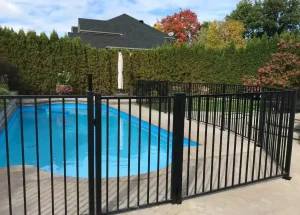
Aluminum fencing offers substantial customization. Height specifications, panel infill patterns, and gate configurations can all be tailored to specific site requirements. Single-open and double-open gates accommodate different vehicle and equipment access needs. Engineering teams work with project developers to design solutions that match site layouts and security requirements.
Partner with Hubei Yulong for Your Solar Farm Fencing Needs
Protect your solar farm investment with aluminum perimeter fencing engineered for long-term performance. Hubei Yulong Building Materials Co., Ltd. combines manufacturing expertise with efficient global logistics to deliver fencing solutions that meet the demands of renewable energy projects. Contact us at +8619086315193 or sales01@yulongkeji-ch.com to discuss your project requirements.