
Aluminum screen fence has become a defining element in contemporary outdoor design, and black has emerged as the top color choice for architects and landscape designers worldwide. While many attribute the preference to visual appeal alone, the deeper reason lies in material engineering: black powder-coated aluminum combines durable alloy properties with a finish that interacts with natural light to create architectural depth while maintaining its integrity through years of exposure. This solution meets the growing demand for privacy, low maintenance, and a clean modern look in residential and commercial outdoor spaces.
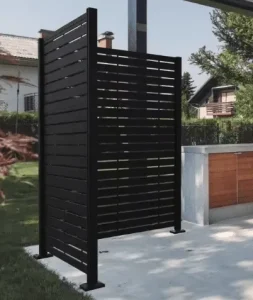
The Rise of Aluminum Screen Fences in Modern Outdoor Architecture
Over the past decade, aluminum screen fences have moved from industrial and commercial applications to high-end residential landscape architecture. The shift is driven by several factors: the open structure of screen panels allows partial visibility and airflow while providing a defined spatial boundary, something solid fence walls cannot achieve. Among the color options, black accounts for the largest demand. Designers prefer black because it recedes visually into the background, making planted areas and hardscape elements stand out, and it creates a striking contrast against greenery. The architectural community now considers black aluminum screen fencing a go-to material for projects ranging from urban rooftop terraces to suburban patio enclosures.
Engineering Long-Lasting Black Aluminum Screen Fences with Alloy and Powder Coating
Why Alloy Choice Matters for Outdoor Durability
I have evaluated many aluminum fence products over the years, and the baseline starts with the alloy. For outdoor fencing, 6063 aluminum in T5 temper offers an optimal balance of extrudability, surface finish quality, and mechanical strength. The alloy’s silicon and magnesium content provides good corrosion resistance, especially when combined with a high-quality surface treatment. A lesser alloy may cost less initially but risks pitting or surface degradation in humid or coastal environments.
How Powder Coating Locks in the Black Finish
The black finish that defines these screen fences is not paint; it is a thermosetting polyester powder applied electrostatically and baked at controlled temperatures. In our production, we target a cured film thickness between 60 and 80 microns, which provides consistent opacity and sufficient mechanical flexibility to resist chipping during handling and installation. The polyester chemistry includes UV stabilizers that prevent color fading—critical for a black finish that must retain its depth year after year. Without these additives, black can turn chalky within two to three years of full sun exposure.
Heat and Light: Does Black Absorb More Heat?
One objection raised against black outdoor metal is heat absorption. While black does absorb more visible light, aluminum reflects the majority of solar infrared radiation because of its metallic substrate. The powder coating creates a thin insulating layer, but the aluminum beneath dissipates heat quickly. In practice, a black aluminum screen fence does not become uncomfortably hot to touch in summer, unlike a similarly painted steel surface. This makes it safe for use around pools and seating areas where people might lean against the panels.
If your project involves a coastal or high-UV site, it is worth confirming the coating’s UV stabilizer package before finalizing your bill of materials—reach out at sales01@yulongkeji-ch.com.
Design Applications Where Aluminum Screen Fences Transform Spaces
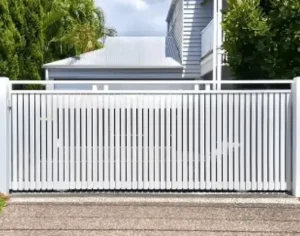
The adaptability of aluminum screen fences comes from their modular design and the variety of laser-cut patterns available. One popular application is creating a semi-private outdoor dining zone. A screen fence with a contemporary geometric cut provides visual separation from neighboring properties while keeping the area open enough for natural light and breeze. Pool enclosures benefit from black screens as they define the boundary without the closed-in feeling of a solid wall. Commercial rooftops use large-scale screen installations to hide mechanical equipment while adding an architectural feature. In each case, the black powder-coated finish delivers a unified, upscale appearance.
Sourcing and Specification: What to Look for in Aluminum Screen Fence
Coating Thickness and Adhesion Standards
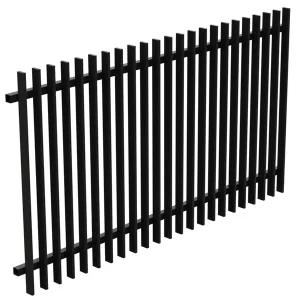
Beyond the visual appeal, the durability of a black aluminum screen fence hinges on the coating specification. A buyer should confirm that the powder coat thickness meets 60 microns minimum, measured with a calibrated gauge. Additionally, ask for adhesion test reports: a cross-hatch or bend test ensures the coating will not flake off during installation or after impact. Without this verification, you risk a product that looks good initially but fails prematurely.
Panel Size and Post Spacing Considerations
We provide typical panel widths of 2200 mm with heights ranging from 1200 mm to 1800 mm, but custom dimensions are common. The post spacing must correspond to the panel width and wind load requirements for the site. For a 2-meter panel, square posts of 80×80 mm or 100×100 mm in wall thickness of at least 2.0 mm offer the structural stability needed. When specifying, also consider the embedded depth and whether concrete footings or base plates are more appropriate for the surface.
| Specification | Typical Value | Importance |
|---|---|---|
| Alloy Grade | 6063-T5 | Balance of strength and formability |
| Coating Type | Polyester (TGIC-free) | UV stability, non-toxic |
| Cured Thickness | 60–80 µm | Scratch resistance, color retention |
| Salt Spray Test | ≥1000 hrs (ISO 9227) | Corrosion resistance |
| Panel Width | Up to 2200 mm | Waste reduction in layout |
Securing a Durable Aluminum Screen Fence System for Your Project
Choosing the right aluminum screen fence means matching the alloy grade, coating specification, and panel design to your site conditions and aesthetic requirements. At Hubei Yulong, we manufacture aluminum fencing systems with automated lines and offer free specification reviews. Send your project dimensions and color requirement to sales01@yulongkeji-ch.com or call +8619086315193 for a personalized quotation.
Common Questions About Aluminum Screen Fence Performance
Why is black aluminum screen fencing more popular than other colors?
Black offers the strongest visual contrast and the greatest versatility across design styles. Unlike white or metallic finishes, black does not compete with landscape elements; it frames them. From a technical standpoint, the darker pigment in polyester powder tends to show less weathering over time than lighter colors, which can develop visible staining or uneven fading. Architects specify black because it provides a consistent, professional look that remains relevant as surrounding decor changes.
Does a black aluminum fence get too hot in summer?
It is a common assumption that black metal becomes dangerously hot, but for aluminum screen fences this is largely unfounded. Aluminum’s thermal conductivity means heat dissipates quickly, and the open screen design allows continuous airflow that prevents heat buildup. While the surface may feel warm in direct sunlight, it rarely exceeds temperatures that cause discomfort on brief contact. In our experience, pool-area installations in southern climates have not reported heat-related concerns.
How long does the powder coating last on black aluminum?
With proper application of UV-stabilized polyester powder at 60–80 microns, the black finish should maintain its appearance for 15 to 20 years in normal outdoor conditions. The key is the quality of the pretreatment—chromate conversion or chrome-free alternatives create a bonding layer that prevents corrosion creeping under the coating. After installation, periodic cleaning with mild soap and water removes environmental deposits that can accelerate wear. No repainting is typically needed during the product’s service life.
Can black aluminum screen fences be used in coastal areas?
Yes, but the specification must be tighter. Coastal salt spray accelerates corrosion, so we recommend a minimum coating thickness of 80 microns and a marine-grade pretreatment. The alloy itself (6063) holds up well, but any cut edges or fastener holes must be sealed after installation to prevent localized pitting. For projects within 500 meters of the sea, it is worth confirming that the manufacturer has salt spray test data meeting ISO 9227 with minimal under-creep.
What maintenance does a black aluminum screen fence require?
In projects we have supported, black aluminum screen fences require very little ongoing care. A rinse with a garden hose every few months removes dust and pollen. If bird droppings or tree sap accumulate, a soft brush with mild, non-abrasive cleaner restores the surface. Inspect the post-to-panel connections annually to check for loose bolts caused by thermal expansion cycles, but the powder coat itself needs no repainting or sealing. Share your design requirements and we can provide detailed coating specifications and test certificates.
If you’re interested, check out these related articles:
Importing Aluminum Fence from China: 5 Questions to Ask
Aluminum Fence Panels: 2025 Wholesale Price Per Foot Guide