
A WPC aluminum post fence system combines the structural stability of aluminum posts with the low-maintenance appeal of wood-plastic composite panels. But too many buyers focus on panel color while overlooking post alloy, wall thickness, embed depth, and anchoring, the engineering details that separate a fence that stands through a decade of storms from one that leans within two years. Drawing from twelve years as an architectural metal products engineer, I have seen how these decisions shape long-term performance. This guide covers what a complete installation package should include, how to specify posts for your site, the installation sequence that prevents callbacks, and what to confirm before you place an order.
What a Complete WPC Aluminum Post Fence Package Includes
A well-specified WPC aluminum post fence package brings together every component needed to build a full perimeter. The core items are aluminum posts, usually supplied in pre-cut lengths with a powder-coated finish, and WPC infill panels in your chosen style—tongued-and-grooved boards, vertical slats, or privacy blades. The kit should also include post caps to seal the open top, base plates or L-brackets for securing the bottom rail, and stainless steel self-tapping screws sized to avoid galvanic reaction. If a gate is part of the order, the matching aluminum gate frame, hinges, and latch are typically packed in the same shipment.
Some packages bundle pre-mixed concrete footings or adjustable ground spikes, though most factory-direct kits ship posts, panels, and brackets only. Before ordering, confirm whether the hardware list covers every fastener, post trim cap, and gate accessory you will need, because a missing box of screws can stall a crew for a day.
Aluminum Post Specifications for WPC Fence Systems
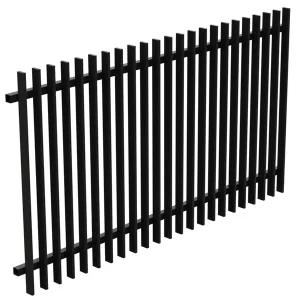
The aluminum post transforms a collection of composite boards into a rigid, wind-resisting structure, so its dimensions and alloy directly control how the fence holds up. Most manufacturers use 6063-T5 aluminum, which balances extrudability with strength, though 6061-T6 is also available for heavier commercial applications. Wall thickness governs bending resistance: a 2 mm wall works for 4 ft to 6 ft high panels in standard wind zones, while 8 ft privacy screens or coastal locations often call for a 2.5 mm wall and a larger post cross-section.
Post spacing is equally important. For 6 ft high panels, posts at 6 ft on center are common, but if wind speed exceeds 90 mph or the fence carries solid privacy panels, reducing the span to 4 ft prevents visible deflection. Embed depth should match one-third of the above-ground post height, with a 24-inch minimum in frost-susceptible soils. A concrete footing 10–12 inches in diameter around each post provides the necessary lateral support.
| Panel Height (ft) | Max Post Spacing (ft) | Minimum Wall Thickness (mm) | Minimum Embed Depth (in) |
|---|---|---|---|
| 4 | 8 | 1.5 | 18 |
| 6 | 6 | 2.0 | 24 |
| 8 | 4 | 2.5 | 30 |
If your project involves panels taller than 6 ft or unusual wind exposure, get post sizing confirmed before you finalize the bill of materials. Reach us at sales01@yulongkeji-ch.com with your fence height and site location for a technical recommendation at no cost.
Installing a WPC Aluminum Post Fence Step by Step
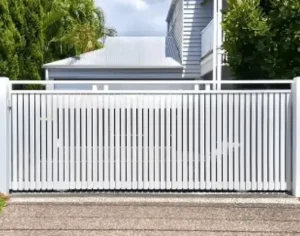
Start by laying out the fence line with string and marking post hole locations at the planned spacing. Dig each hole to the required depth using a post hole auger or manual digger, enlarging the bottom slightly for additional bearing. Set the aluminum post in the hole, check plumb in both directions, and pour quick-set concrete around it, vibrating the mix to eliminate voids. For adjustable footing systems, bolt the post base to a concrete pad or screw it into the earth with ground anchors, then verify level before tightening all hardware.
After the concrete cures for at least 24 hours, attach the bottom rail bracket to each post at the specified height, ensuring the rail runs straight across multiple posts. Slide the WPC panels into the channel or secure them to pre-drilled holes on the post face with stainless fasteners, leaving a 5 mm gap between panel ends for thermal expansion. Repeat with the upper rail. Once all panels are in place, install post caps and the gate assembly, checking that the gate swings freely and latches securely.
What embedment depth is needed for aluminum fence posts?
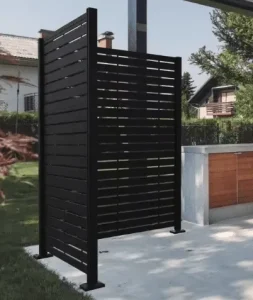
A general rule is to bury one-third of the post’s above-ground height. A 6 ft post exposed to wind should sit in a 24-inch concrete footing; in sandy or loose soil, go to 30 inches. Where frost penetrates deeper, local building codes often require the footing bottom to be below the frost line, so verify the depth for your region before digging.
How do you anchor aluminum posts in concrete versus soil?
In concrete, direct embedment is the most common method: set the post in a wet concrete-filled hole and brace it until set. Some engineers prefer a post shoe or base plate cast into the concrete, which isolates the aluminum from soil moisture and allows replacement. In undisturbed soil or rock, screw-in ground anchors with an adjustable post bracket provide a fast, clean alternative without excavation.
Maintaining Your WPC Aluminum Post Fence System
Maintenance is minimal compared to wood or steel. The powder-coated aluminum posts need only an occasional rinse with water to remove dust and salt spray; avoid abrasive cleaners that could scratch the finish. WPC panels can be cleaned with mild soap and a soft brush if stains appear, but they require no painting, staining, or sealing. Check the fasteners annually as a matter of routine—seasonal temperature cycling can occasionally loosen a few screws, which is easily corrected with a driver.
Thermal movement is the most common call-back issue I see. WPC expands and contracts more than aluminum, so the 5 mm gap left during installation is essential. If panels buckle in hot weather, it is almost always because the gap was omitted or fasteners were overtightened. Leave a little room at each joint, and the system will stay flat year-round.
How do I manage thermal expansion in WPC fence panels?
Leave a consistent 5 mm gap at every panel-to-post and panel-to-panel interface. Use self-tapping screws with a clearance drill to allow slight movement, and never drive screws tight against the WPC surface. If existing panels have already buckled, remove the fasteners, re-cut the panel ends slightly shorter, and reattach with the proper gap.
Ordering a WPC Fence System Directly from the Factory
Moving from a spec sheet to a firm quote becomes straightforward when you supply the right information. Tell the manufacturer the total linear footage, panel height, number of corners and end posts, gate width and swing direction, your preferred post mounting method, and the design wind speed if your site is on a hilltop or exposed coast. With those details, the engineering team can generate an accurate bill of materials and flag any custom tooling or special bracing that a standard kit might omit.
Ready to order? Determining the right specifications now avoids expensive field fixes later. Send your part numbers and quantities to sales01@yulongkeji-ch.com or call +8619086315193. Our engineering group will return a tailored package with pricing and lead times.
Common Questions About WPC Aluminum Post Fence Systems
How long do WPC aluminum post fence systems last?
With proper installation, aluminum posts serve 30 years or more thanks to corrosion-resistant alloy and weatherproof powder coating. WPC panels generally deliver 15 to 20 years of service, with color stability and surface wear as the limiting factors. Panels can be replaced individually while the post structure remains in place.
Can I install a WPC aluminum post fence myself?
Many homeowners and general contractors handle the installation with basic tools—post hole digger, level, drill, and wrenches. The pre-drilled bracket system simplifies panel attachment. For fence sections taller than 6 ft or sites with challenging soil, having an experienced installer helps ensure correct embedment and alignment, but the process is well within reach for a careful crew.
Are aluminum posts strong enough for tall privacy panels?
Properly specified posts, typically 2 mm wall thickness and appropriate diameter, support 6 ft panels in moderate wind zones with no issue. For 8 ft panels or regions with design wind speeds over 100 mph, a larger cross-section, reduced post spacing, or a 2.5 mm wall is necessary. Always verify post specifications with the manufacturer for your specific wind and height conditions.
What maintenance does a WPC aluminum post fence require compared to wood?
A fraction of the effort. Aluminum posts only need an occasional rinse with water; WPC panels require no staining, painting, or sealing. If they become dirty, mild soap and a soft brush restore the surface. There is no risk of rot, termites, or splintering, which eliminates the annual inspection and treatment cycle that wood demands.
How do I ensure the fence meets local building codes?
Start by checking your municipality’s fence height and setback rules. For structural compliance, ask the manufacturer for post embedment and load capacity data, and compare them to your site’s wind zone requirements. If your jurisdiction requires stamped engineering or specific wind-load certification, share your project location and panel specs with us at sales01@yulongkeji-ch.com, and our engineering team will confirm whether standard post specifications satisfy the needed criteria.
If you’re interested, check out these related articles:
Freestanding Outdoor Privacy Screens: Patio & Balcony Solutions
Commercial Steel Fencing: Top Options for Retail Parks and Offices
Powder Coating: Shielding Aluminum Fences from Corrosion
Aluminum Fencing: Property Measurement Buyer’s Guide