
Commercial properties face a constant tension between openness and control. Retail parks need to feel welcoming to shoppers while keeping unauthorized vehicles out of service areas. Office complexes must project professionalism while protecting sensitive operations inside. Steel fencing sits at the center of this balance, and getting it right means understanding not just what keeps people out, but what makes a property function well day after day. The material choices, installation details, and long-term maintenance considerations all compound over years of service. This is where thoughtful specification pays dividends that far exceed the initial investment.
Why Perimeter Security Shapes Everything Else
A commercial property’s perimeter does more than mark boundaries. It establishes the first layer of defense and sets expectations for everyone who approaches. Modern commercial steel fencing has evolved well beyond simple barrier function into integrated security infrastructure that works alongside cameras, access control systems, and emergency response protocols.
The visibility factor matters more than many property managers initially expect. A well-designed steel fence signals that a property is actively managed and monitored. This psychological deterrent often prevents incidents before they start, which means fewer insurance claims, less property damage, and a safer environment for employees and visitors.
Anti-climb features have become standard in medium to high-security applications. Pointed pales, curved tops, and tight mesh spacing all contribute to making unauthorized entry difficult enough that most opportunistic intruders simply move on. Anti-cut designs using reinforced mesh or thicker gauge materials address more determined threats. The key is matching these features to actual risk levels rather than over-engineering for threats that don’t exist at a particular site.
Integration capability separates adequate fencing from excellent fencing. The best commercial steel fencing systems include provisions for mounting cameras, running cabling, and connecting to automated gate systems. Planning for these integrations during initial specification avoids costly retrofits later.
Matching Security Features to Actual Threat Levels
Every site has different vulnerabilities, and the most cost-effective approach matches security investment to realistic risk assessment. A general office building in a low-crime suburban area needs different protection than a retail park in an urban center with documented theft problems.
| Feature Category | Low Threat Environment | Medium Threat Environment | High Threat Environment |
|---|---|---|---|
| Height | 1.8m – 2.1m | 2.4m – 3.0m | 3.0m+ |
| Anti-Climb Features | Minimal smooth top | Pointed pales | Razor wire or spikes |
| Anti-Cut Designs | Standard mesh or pales | Reinforced mesh, thicker gauge | Anti-cut mesh, solid panels |
| Access Control | Keypad or card reader | Biometric or turnstiles | Mantraps, security personnel |
| Material Strength | Standard galvanized steel | Heavy-duty galvanized steel | High-tensile steel alloys |
Risk assessment should consider not just current conditions but anticipated changes. A property that’s currently low-risk might face different challenges as surrounding development changes or as tenant mix evolves.
Material Selection Determines Decades of Performance
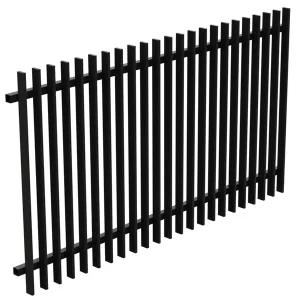
The steel fencing market offers a wide range of material options, and the differences between them compound dramatically over a fence’s service life. What looks like a small cost savings at installation can translate into major expenses five or ten years down the road.
Galvanized steel remains the foundation of most commercial steel fencing applications. The zinc coating bonds metallurgically to the base steel, creating a barrier that prevents oxygen and moisture from reaching the underlying metal. This protection works through two mechanisms: physical barrier and galvanic protection. Even if the coating gets scratched, the surrounding zinc sacrifices itself to protect exposed steel.
The galvanization process matters as much as the fact of galvanization. Hot-dip galvanization produces thicker, more uniform coatings than electroplating. The zinc layer thickness, measured in microns, directly correlates to expected service life. Commercial applications typically specify minimum coating weights that ensure at least 25-30 years of corrosion protection under normal conditions.
Powder coating adds a second layer of protection while enabling color customization. The electrostatic application process creates a uniform finish that resists chipping, fading, and chemical attack better than liquid paint. Quality powder coatings maintain their appearance for 15-20 years with minimal maintenance, which matters for properties where visual presentation affects tenant satisfaction and property values.
Zinc steel fencing systems combine these protective technologies with alloy formulations optimized for specific performance characteristics. The aluminum content in some zinc alloy coatings improves cut-edge protection and enhances coating adhesion. These material science advances translate into longer service life and better performance in challenging environments.
High-Traffic Environments Demand Heavy-Duty Solutions
Retail parks present unique challenges that standard commercial steel fencing may not adequately address. Shopping cart impacts, delivery vehicle contact, and the general wear from thousands of daily visitors all stress fence components in ways that office environments rarely match.
Heavy-duty welded mesh panels offer excellent impact resistance because the force of contact distributes across multiple connection points. The welded intersections maintain structural integrity even when individual wires deform. Panel replacement is straightforward when damage does occur, which keeps maintenance costs manageable.
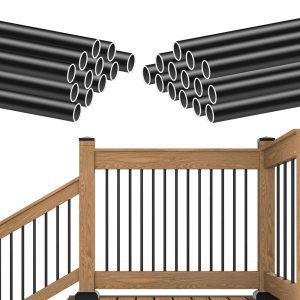
Tubular steel systems provide another approach to high-traffic durability. The hollow sections offer excellent strength-to-weight ratios, and the smooth surfaces resist damage accumulation. Tubular designs also tend to look more refined, which suits retail environments where customer perception matters.
The combination of robust galvanization and quality powder coating proves essential in these demanding applications. The base protection handles the corrosion challenge while the powder coat resists the physical abrasion that high-traffic areas inevitably produce.
Design Flexibility Without Compromising Security
The days when security fencing meant ugly fencing are long past. Modern ornamental steel fencing achieves genuine aesthetic appeal while maintaining serious security performance. This matters because commercial properties compete for tenants, and first impressions form before anyone walks through the door.
Architectural fencing solutions now span the full range from sleek contemporary lines to traditional patterns with historical references. The manufacturing flexibility of modern production allows custom designs without the cost premiums that custom work once demanded. Heights, colors, decorative elements, and panel configurations can all be specified to complement existing architecture.
Color selection deserves more attention than it typically receives. The right color choice can make fencing nearly disappear into the landscape or turn it into a deliberate design element. Dark colors tend to recede visually, while lighter colors stand out more prominently. Matching or complementing building trim colors creates visual coherence that enhances overall property presentation.
Modular designs simplify both initial installation and future modifications. Properties evolve over time, and fencing systems that can adapt to changing needs without complete replacement offer significant long-term value. Adding gates, extending runs, or reconfiguring layouts becomes straightforward when the system is designed for modularity.
Installation Quality Makes or Breaks Long-Term Performance
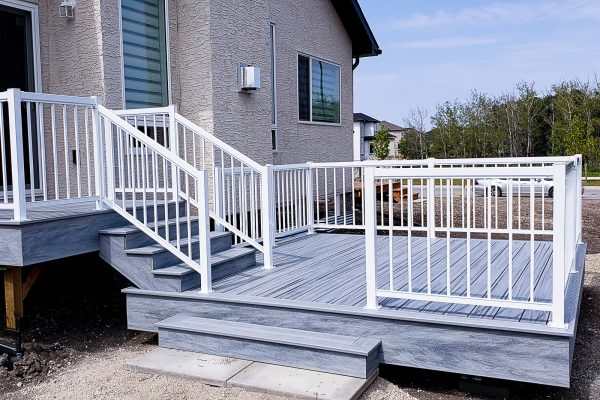
The best materials in the world can’t compensate for poor installation. Commercial steel fencing depends on proper post embedment, correct panel alignment, and secure fastening at every connection point. Shortcuts during installation create problems that compound over years of service.
Post embedment depth and concrete specifications vary based on soil conditions, fence height, and wind loading requirements. Sandy soils need deeper embedment than clay soils. Taller fences experience greater wind loads and require more substantial foundations. Local building codes typically specify minimum requirements, but site-specific engineering may call for exceeding those minimums.
Panel alignment affects both appearance and security. Gaps between panels or between panels and posts create potential weak points. Proper alignment also ensures that gates operate smoothly and that access control systems function as intended. Taking time during installation to achieve precise alignment pays dividends throughout the fence’s service life.
Fastener selection and installation technique matter more than many installers acknowledge. Stainless steel fasteners resist corrosion better than zinc-plated alternatives, which prevents the unsightly rust staining that occurs when fasteners fail before the fence panels they secure. Proper torque specifications prevent both loose connections and overtightened damage.
Understanding Cost Factors for Accurate Budgeting
Commercial steel fencing costs vary significantly based on multiple factors, and understanding these variables enables more accurate project budgeting. The per-linear-foot cost that many buyers focus on tells only part of the story.
Material type establishes the baseline cost. Standard galvanized steel costs less than zinc steel fencing with enhanced alloy coatings. Powder coating adds cost but extends service life and improves appearance. The trade-off between initial cost and lifecycle cost often favors higher-quality materials for commercial applications where the fence will remain in service for decades.
Height directly affects cost because taller fences require more material and more substantial foundations. A 3-meter fence costs significantly more than a 2-meter fence, not just because of the additional panel height but because of the engineering requirements for wind resistance and structural stability.
Design complexity influences manufacturing cost. Simple straight runs cost less than installations with multiple corners, grade changes, or custom decorative elements. Gates add substantial cost because of the hardware, automation potential, and precision requirements.
Site preparation can represent a significant portion of total project cost. Removing existing fencing, grading uneven terrain, and addressing drainage issues all add to the installation budget. Properties with challenging access or limited staging areas may face higher labor costs.
Geographic location affects both material costs and labor rates. Transportation costs for heavy steel components can be substantial for remote locations. Local labor markets determine installation costs, which vary considerably across different regions.
Why Professional Installation Justifies Its Cost
The temptation to reduce costs through less experienced installers or DIY approaches rarely works out well for commercial steel fencing projects. The consequences of improper installation extend far beyond immediate appearance issues.
Structural integrity depends on correct installation technique. Posts that aren’t plumb, panels that aren’t level, and connections that aren’t secure all compromise the fence’s ability to withstand normal service loads. Wind, impact, and thermal cycling stress every component, and improperly installed systems fail prematurely.
Security performance requires precise execution. Gaps, misalignments, and loose components create vulnerabilities that determined intruders can exploit. The security investment in quality materials gets undermined when installation creates weak points.
Warranty coverage typically requires professional installation. Manufacturers understand that their products can only perform as designed when properly installed. Using uncertified installers may void warranty protection, leaving property owners responsible for problems that would otherwise be covered.
Code compliance depends on proper installation technique. Building inspectors verify that fencing meets local requirements, and installations that don’t pass inspection require costly corrections. Professional installers understand local codes and ensure compliance from the start.
Maintenance Strategies That Protect Your Investment
Commercial steel fencing with quality materials and proper installation requires minimal maintenance, but minimal doesn’t mean zero. A proactive approach to maintenance extends service life and maintains both security performance and visual appeal.
The protective coatings that make modern steel fencing so durable can be compromised by physical damage, chemical exposure, or simple neglect. Addressing minor issues before they become major problems is the core principle of effective maintenance.
Regular cleaning removes accumulated dirt, pollutants, and organic matter that can trap moisture against coating surfaces. Annual washing with mild soap and water is usually sufficient for most commercial environments. Properties near industrial facilities or coastal areas may benefit from more frequent cleaning to remove corrosive contaminants.
Visual inspection identifies damage that needs attention. Scratches, chips, and dents in the coating expose underlying steel to corrosion. Touch-up paint or coating repair prevents rust from developing and spreading. The earlier damage gets addressed, the simpler and less expensive the repair.
Fastener inspection ensures structural connections remain secure. Thermal cycling, vibration, and normal settling can loosen fasteners over time. Tightening loose connections and replacing damaged fasteners maintains structural integrity.
Gate mechanisms require the most frequent attention because they have moving parts subject to wear. Lubrication, adjustment, and component replacement keep gates operating smoothly. Automated gates need additional attention to electrical components and control systems.
Maintenance Schedule for Commercial Steel Fencing
| Activity | Frequency | Purpose |
|---|---|---|
| Visual Inspection | Quarterly | Check for damage, rust, loose components |
| Cleaning | Annually | Remove dirt and debris, maintain aesthetics |
| Touch-up Paint | As needed | Repair scratches, prevent corrosion |
| Fastener Check | Bi-annually | Ensure structural integrity |
| Gate Mechanism | Monthly | Lubricate, check for smooth operation |
Properties with higher security requirements or more demanding environments may benefit from more frequent inspection and maintenance. The cost of proactive maintenance is trivial compared to the cost of premature fence replacement.
Common Questions About Commercial Steel Fencing
How does advanced surface treatment extend the service life of commercial steel fencing?
Modern surface treatment combines multiple protective layers that work together to prevent corrosion. Galvanization provides the primary barrier through a metallurgically bonded zinc coating that protects steel even when scratched. Powder coating adds a second barrier that resists UV degradation, chemical attack, and physical abrasion. The combination of these technologies creates protection that can last 30 years or more under normal commercial conditions. The key is ensuring adequate coating thickness and proper application technique during manufacturing.
What customization options exist for commercial steel fencing that needs to match specific architectural requirements?
Modern manufacturing capabilities enable extensive customization without the cost premiums that custom work once required. Height can be specified to match security requirements and visual preferences. Color options span the full RAL spectrum, allowing precise matching to building colors or landscape elements. Decorative elements including finials, scrollwork, and custom panel patterns can be incorporated into security-rated designs. Integration provisions for cameras, lighting, and access control can be built into the fence specification. The key is working with manufacturers who have the production flexibility to accommodate specific requirements.
What makes certain manufacturers better suited for large-scale commercial steel fencing projects?
Large-scale projects demand consistent quality across thousands of linear feet of fencing, reliable delivery schedules that coordinate with construction timelines, and technical support for complex installations. Manufacturers with automated production lines achieve the consistency that hand fabrication can’t match. Established supply chains and inventory management ensure materials arrive when needed. Engineering support helps resolve site-specific challenges before they become installation problems. The combination of manufacturing capability, logistics expertise, and technical knowledge separates manufacturers suited for large projects from those better suited for smaller residential work.
Moving Forward with Your Commercial Fencing Project
Retail parks and office complexes represent significant investments that deserve protection matching their value. Commercial steel fencing provides that protection when properly specified, manufactured, and installed. The decisions made during planning determine decades of performance, which makes thoughtful specification worth the time it requires.
Hubei Yulong brings manufacturing expertise in aluminum and zinc steel fencing systems to commercial projects requiring both security performance and aesthetic quality. Advanced surface treatment technology, automated production consistency, and design flexibility address the full range of commercial fencing requirements. Contact our team at +8619086315193 or sales01@yulongkeji-ch.com to discuss your specific project needs and discover how quality fencing supports long-term property value.
If you’re interested, check out these related articles:
YLOONG Solutions: Engineered for Security, Designed for Performance