
Aluminum privacy fence designs offer more than curb appeal. As a fencing systems engineer, I’ve seen how the right combination of profile engineering and surface treatment determines whether a fence stands up to years of pool chemicals, humidity, and daily use. Most articles focus on aesthetics, but this article explains which structural and coating features make certain designs more durable and compliant for backyard and pool use. We’ll examine five aluminum privacy fence systems that balance privacy, airflow, and safety, with a focus on what makes each suitable for wet environments.
Aluminum Slat Fence Panels: Vertical and Horizontal Privacy Designs
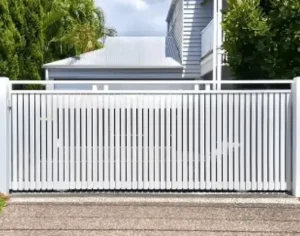
Slat fence panels, which feature closely spaced vertical or horizontal aluminum pickets, are the most popular aluminum privacy fence design. The narrow slats block sight lines while allowing air movement, reducing wind load and helping the pool area stay ventilated. In our projects, we specify 6063 T5 alloy slats with a minimum wall thickness of 1.2 mm, paired with reinforced rails and square posts. This combination preserves a sleek look and resists deformation from wind or accidental impact. Vertical slats draw the eye upward and provide a clean drainage path, while horizontal slats can create a wider visual feel and, with overlapping profiles, offer slightly better privacy at acute angles. However, horizontal slats may trap water and debris without adequate drainage details. For pool-side installations, we prefer vertical slats with an open bottom rail to let water drain freely and prevent standing water that can degrade the coating. The key to long-term performance is the powder coating: a thickness of 60 to 80 microns, meeting AAMA 2604 standards, prevents corrosion and fading even when exposed to chlorinated water and UV radiation.
Louvered and Blade Aluminum Fence Designs for Controlled Airflow
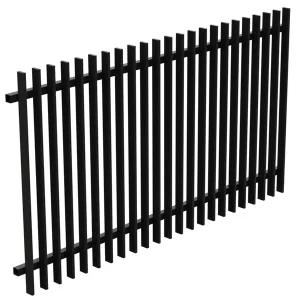
Louvered and blade fence designs use angled aluminum blades to create one-way privacy, letting light and air pass through while blocking direct sight lines. These designs are well-suited for pool enclosures because they maintain ventilation and reduce mildew risk. I have observed that blade fences with adjustable angles give property managers flexibility; they can open the blades for a more open feel during off-hours and close them for privacy when needed. The blades are typically extruded in 6063 alloy with a T5 temper, and the frame structure must be robust enough to hold the angled weight. When sourcing, confirm that the pivot hardware is stainless steel or coated steel to prevent galvanic corrosion between dissimilar metals. Blade fences tend to collect less debris than slat fences, which simplifies maintenance around pool decks.
Perforated Aluminum Screen Panels for Decorative Privacy and Light
Perforated aluminum screen panels add a decorative element to fence systems by featuring custom punched patterns, from geometric shapes to organic designs. These panels provide 50-70 percent visual screening while creating interesting light and shadow effects on the pool deck. I recommend specifying 2 mm or thicker sheet with a powder coat that wraps the cut edges to prevent localized corrosion. Screen panels are often mounted in a frame with a post-and-rail system, so the frame’s strength carries the load. In pool areas, the open area ratio matters: a higher open area means more airflow but less privacy, so choose a pattern density that matches your privacy needs. One practical note from past projects: powder coating must cover the cut edges fully, else the aluminum edge will oxidize over time. Confirm the fabricator’s process includes post-cutting deburring and thorough pretreatment before coating.
To choose the right design, compare the trade-offs among these five systems:
| Design Type | Privacy Level | Airflow | Pool Suitability | Estimated Cost/ft (Factory) |
|---|---|---|---|---|
| Vertical Slat | High | Moderate | Excellent | $20-30 |
| Horizontal Slat | High | Moderate | Good (requires drainage) | $20-30 |
| Louvered/Blade | Adjustable | High | Excellent | $35-55 |
| Screen Panel | Moderate-High | High | Good | $30-50 |
| Combination Slat+Screen | High | Variable | Good | Custom |
If your project is within 500 meters of a coastline or you have a saltwater pool, coating specification is the single largest factor in service life. Reach out to sales01@yulongkeji-ch.com to verify coating standards and request AAMA 2605 certification data before you order.
Pool Safety Standards and Aluminum Privacy Fence Compliance
Aluminum privacy fences around pools must meet specific safety codes to prevent unsupervised access. Most jurisdictions require a minimum height of 48 inches, with no more than 4 inches of clear space between vertical members. Slat, louvered, and screen designs can comply easily when the gap is specified accordingly. The gate must be self-closing and self-latching, with the latch located at a height inaccessible to small children. In my experience, the most overlooked detail is the bottom clearance: a gap of more than 2 inches under the fence can allow small children or animals to crawl through, so specifying a ground-level rail or channel is a safety essential. Aluminum fence posts should be set in concrete footings at a depth below the local frost line to prevent heaving and maintain alignment, ensuring the fence barrier remains intact.
Powder Coating and Alloy Strength in Aluminum Privacy Fencing
The longevity of any aluminum privacy fence design depends on the quality of the alloy and its surface treatment. 6063-T5 aluminum is the standard for residential fencing because it balances extrudability, strength, and corrosion resistance. The powder coating process, which includes cleaning, chromate conversion coating, electrostatic application, and oven curing, creates a barrier that withstands UV, rain, and pool chemicals. I recommend specifying a coating that meets AAMA 2604 for color retention and chalk resistance; in harsh environments, AAMA 2605 offers even greater protection. The coating thickness should be verified at the factory, typically 60-80 microns. Beyond the visual appeal, this layer prevents the aluminum substrate from reacting with chlorides, which can cause pitting even on “rust-free” aluminum.
Aluminum Fence Gate and Post Installation for a Complete System
A fence system is only as reliable as its posts and gates. For aluminum privacy fences, we use post sizes of 2-inch or 2.5-inch square tubing with a wall thickness of at least 2.0 mm. The posts carry the full load of the panels and must resist wind and gate stress. Gate frames should be welded and reinforced at the corners; assembled bolt-together gates can loosen over time. In pool applications, the gate hardware must be non-corrosive, such as stainless steel hinges and latches with a powder-coated finish to match the fence. Post anchoring depends on soil: in sandy or loose soil near pools, a concrete footing with a diameter of at least 12 inches and a depth of 24 inches is typical. A proper installation ensures the fence closes securely and maintains its alignment, which is necessary for code compliance.
How to Start Your Aluminum Privacy Fence Project
Choosing the right aluminum privacy fence design means matching the profile, coating, and hardware to your property’s exposure and safety needs. The initial cost difference between a well-engineered system and a lower-spec alternative is often small, but the maintenance and replacement costs over 10 years are not. We have seen fences near chlorinated pools develop coating blush and corrosion within two years when the coating was below 50 microns. To avoid that outcome, confirm the alloy grade, coating standard, and structural warranty before you buy. Send your project measurements, location, and preferred design to sales01@yulongkeji-ch.com, or call +8619086315193, and we will provide a specification sheet and a quote that includes certified coating data.
Common Questions About Aluminum Privacy Fence Design and Selection
What is the average cost of an aluminum privacy fence per linear foot?
Across projects we have quoted, standard aluminum slat fence systems land between $18 and $35 per linear foot factory-direct, excluding installation and shipping. More complex blade or louvered designs with custom sizing and premium coating can reach $50 per foot or higher. The alloy grade, post thickness, and gate hardware add to the total. When comparing quotes, confirm the coating standard is specified; a fence with AAMA 2604 coating will last significantly longer than a basic polyester coat, so the per-year cost is often lower. Share your design and quantity requirements with us and we will prepare a detailed cost breakdown for your specific project.
Can I install an aluminum privacy fence myself, or do I need a contractor?
It depends on your terrain and local code enforcement. DIY installation is possible for standard slat panel systems on flat ground if you have basic tools and understand post setting. However, I always recommend a professional installer for pool fences because the building inspector will verify compliance with height, gap, and gate self-closing requirements. A contractor can handle sloped ground and ensure posts are plumb and footed below the frost line. For blade or louvered systems with adjustable components, the alignment is more demanding, and an experienced installer can save hours of frustration. Order a sample panel and post first to confirm the hardware matches your site conditions before ordering the full system.
How do I maintain the appearance of a powder-coated aluminum fence?
Many people assume aluminum fences need no maintenance, but that is only partly true in a pool environment. Cleaning is straightforward: rinse with a garden hose, use a soft brush with mild soapy water to remove dirt and pool chemical residue, and avoid abrasive sponges that can scratch the coating. For pool fences, wash off chlorinated water splashes monthly to prevent buildup. Do not use strong solvents or metal-cleaning products that contain alkaline or acidic compounds, because they can dull the coating. Inspect the fence annually for chips or scratches, especially at gate friction points, and touch up with the original color to prevent corrosion from starting. With proper coating quality and basic maintenance, an aluminum privacy fence can look new for 20 years or more.
Are aluminum fences safe for pool areas regarding building codes?
Yes, when specified and installed correctly, aluminum fences exceed most pool safety requirements. The barrier itself starts with a height of at least 48 inches, vertical members spaced no more than 4 inches apart, and a self-closing, self-latching gate. Aluminum does not rust, so it maintains its structural integrity without deterioration, which is a clear advantage over steel in wet environments. The key is to detail the fence with a bottom rail or ground channel to prevent climbing and a gate latch that meets local height requirements. Confirm that your local regulations do not require a specific latch type or alarm; we can customize gate hardware to meet your local code. Share your project details and we will help you confirm the right specifications for compliance.
If you’re interested, check out these related articles:
Wholesale Aluminum Fence Panels: MOQ, Pricing, and Lead Time Strategies
Hot-Dip Galvanized vs Powder-Coated Fence: Performance & Value
Assembled vs Welded Aluminum Gates: Performance, Cost, & Use Cases
Round Aluminum & Galvanized Steel Fence Posts: Ultimate Guide
Order Custom Aluminum Fencing from China: A Strategic Guide