
Steel fence panels bulk order procurement trips up buyers who underestimate the interplay between technical specifications and logistics planning. Many importers focus on negotiating unit prices, but the real cost driver often lies in container loading efficiency and production scheduling alignment. As a fencing engineer with over a decade of project delivery experience, I’ve seen how mismatched panel dimensions inflate shipping costs and how unclear specification requirements stretch lead times. This guide explains the MOQ, lead time, and logistics factors that determine whether your bulk order arrives on time, within budget, and at the expected quality.
Understanding Steel Fence Panel MOQ and Order Quantities
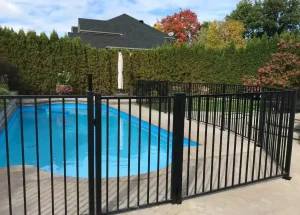
Steel fence panel manufacturers set minimum order quantities to cover raw material procurement and production setup. The typical MOQ for standard‑sized panels ranges from 100 to 500 panels per design, depending on the factory’s coil purchasing volume and line changeover time. Smaller factories may accept lower MOQs but at higher unit costs. Knowing your target volume early helps you negotiate both price and delivery terms.
What is a realistic MOQ for steel fence panels?
A standard MOQ often starts at 200 to 300 panels for high‑volume factories. That quantity fills roughly half a 20‑foot container when panels are 2 meters wide and properly nested. If your project needs fewer than 200 panels, the per‑unit freight cost climbs because containers ship with unused space. Some suppliers offer reduced MOQ for standard stock designs, but custom fabrication frequently requires the full minimum to adjust the production line.
Can I combine different panel types to reach the MOQ?
Yes, as long as the panels share the same base material and coating line. Combining straight panels, corner posts, and gate frames within one order is common because they use the same steel gauge and hot‑dip galvanizing bath. Mixing different coating colors or thicknesses may split the batch and extend lead time. In my experience delivering international projects, the most efficient approach groups orders by steel substrate and coating specification, then adds accessories in separate production runs.
Specifying Steel Fence Panel Requirements for Bulk Orders
Accurate specifications separate a smooth import from a costly rework. Every steel fence panel order must define dimensions, steel grade, gauge, and surface treatment. Without these, the factory makes assumptions that may not match your site conditions. I have seen shipments where underspecified panel height led to non‑compliant installations, forcing on‑site modifications that erased the bulk purchase savings. Selecting the correct steel gauge early avoids most headaches.
What technical details should I include?
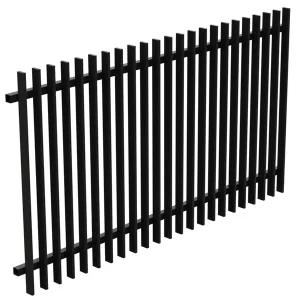
Include the following for each panel type: overall height and width (mm), picket spacing, rail dimensions, post length, steel gauge (for example 2.0 mm for rails, 1.5 mm for pickets), and surface treatment specification (for example hot‑dip galvanized to EN ISO 1461 with a minimum 85 µm zinc coating plus a 60‑80 µm polyester powder coat). Add the desired color RAL code. This level of detail leaves no room for misinterpretation.
How do steel gauge and coating choices affect bulk order value?
Thicker steel increases weight, which raises shipping cost but improves structural rigidity and impact resistance. For most residential and light commercial fencing, a 1.5 mm to 2.0 mm thickness in Q235 or S235JR steel offers a practical balance. Hot‑dip galvanizing delivers far longer corrosion protection than pre‑galvanized or cold‑zinc coatings. The table below compares common steel fencing material and coating combinations.
| Specification | Steel Gauge | Coating Option | Recommended Use |
|---|---|---|---|
| Residential Privacy Panel | 1.5 mm pickets, 2.0 mm rails | Hot‑dip galvanized + polyester powder coat | Suburban homes, gardens |
| Commercial Security Panel | 2.0 mm pickets, 2.5 mm rails | Hot‑dip galvanized + epoxy primer + polyester top coat | Retail parks, offices |
| High‑Security Perimeter | 3.0 mm pickets, 3.0 mm rails | Hot‑dip galvanized + zinc‑rich primer + PVDF top coat | Industrial sites, utilities |
| Decorative Ornamental Panel | 1.2‑1.5 mm pickets, 2.0 mm rails | E‑coat + powder coat | Hotel landscapes, residential entrances |
If your project involves coastal salt spray or industrial pollutants, specify a thicker zinc layer (≥ 85 µm) or upgrade to a duplex coating system.
Production Lead Time Management and Scheduling
Steel fence panel production lead times depend on raw material availability, current factory backlog, and order complexity. Standard designs can ship within 25 to 35 days from order confirmation; fully custom panels with non‑standard dimensions or special coating may take 45 to 60 days. The single most common cause of delay is late approval of the pre‑production sample. Buyers who delay signing off on a sample panel or color swatch inadvertently push their shipment into the next production cycle.
How long does a typical bulk order take to manufacture?
A straightforward order of 300 standard galvanized panels, powder coated in RAL 9005 black, can complete in about 30 working days if the factory holds coil stock. When special‑grade steel or a custom color is required, add two weeks. Production loading matters too; orders placed just before Chinese New Year or during peak summer construction season may face an extra 10 to 15 days because the line is fully booked.
What factors delay production, and how can I avoid them?
Major delays arise from specification changes after production starts, raw material shortages, and last‑minute quantity adjustments. Freeze your design at the purchase order stage, request a weekly production update with photos, and build a buffer of at least two weeks into your project schedule. If your container booking is time‑sensitive, inform the factory so they can prioritize your shipment in their loading queue.
Packaging and Container Loading for Export Steel Fence Panels
Packaging does more than protect; it directly affects landed cost. Steel fence panels are heavy and prone to abrasion. Proper packaging prevents rust, bending, and surface damage during sea transit. On one project where a contractor used light plastic wrapping instead of our standard woven bag plus steel banding, panels arrived with chipped powder coating on the edges, requiring local touch‑up that cost more than the packaging difference.
How are steel fence panels packaged for international shipping?
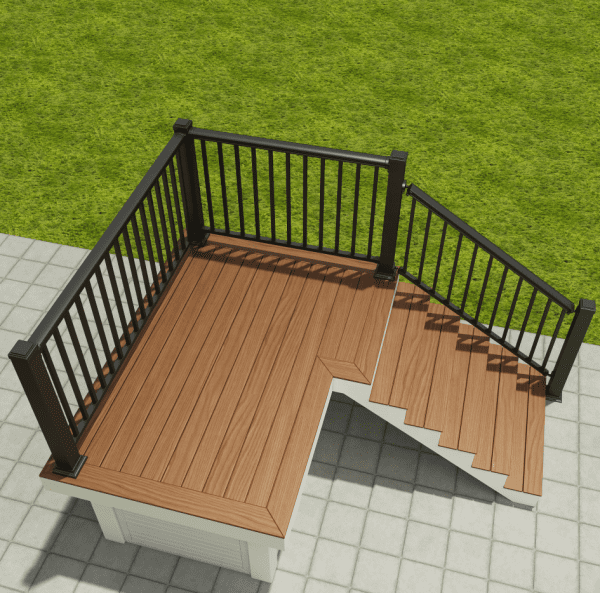
Each panel should be wrapped in anti‑rust paper or VCI film, then packed in woven polypropylene bags for tear resistance. Multiple panels are stacked and secured with steel bands to a treated wood pallet or directly onto a fumigated timber crate. Cardboard separators between panel layers avoid coating abrasion. All wood packaging must comply with ISPM 15 heat treatment and carry the IPPC stamp.
How many panels fit in a container?
Container capacity depends on panel dimensions and stacking method. Nested panels increase density. The table below shows approximate loading data for a standard 6 ft × 6 ft residential panel (1800 mm × 1800 mm, 2.0 mm rail thickness) in common container types.
| Container Type | Internal Dimensions (L×W×H) | Max Payload | Approx. Panels (nested) |
|---|---|---|---|
| 20 ft GP | 5.9 × 2.35 × 2.39 m | 28 tons | 180–220 panels |
| 40 ft HC | 12.03 × 2.35 × 2.69 m | 28 tons | 380–450 panels |
| 40 ft OT | 12.03 × 2.35 × 2.69 m (open top) | 28 tons | 220–260 panels (with crates) |
To maximize efficiency, give the factory your panel specifications before production so they can engineer the nesting layout. Leaving this to the freight forwarder often results in unused volume.
Shipping, Incoterms, and Logistics Essentials
Choosing the right incoterm determines where risk and cost transfer from seller to buyer. For first‑time importers, FOB (Free On Board) is the most transparent option because the seller covers all costs until the container is loaded on the vessel. Experienced buyers with trusted freight forwarders may prefer EXW (Ex Works) to control shipping costs end‑to‑end. However, EXW obliges you to handle export customs clearance at the Chinese port, which can cause delays if documentation is incomplete.
Which incoterm is best for importing steel fence panels?
FOB is the safest starting point. The manufacturer handles inland transportation, port charges, and export declaration. You manage ocean freight, insurance, and destination customs. CIF (Cost, Insurance, Freight) may appear simpler because the seller arranges shipping, yet it often means you pay a premium on freight and have limited control over the carrier. If your cargo weighs over 20 tons, FOB gives you stronger negotiation power with your forwarder.
What shipping documents will I need for customs clearance?
A standard bulk order requires a commercial invoice, packing list, bill of lading (ocean) or airway bill, certificate of origin (usually Form GSP or COO), and mill test certificates when applicable. For steel products, some countries demand a fumigation certificate for wood packaging or a radiation‑free certificate. Confirm your country’s specific steel import requirements early. I recommend asking the factory to send scanned copies of all documents 10 days before vessel departure so you can review and resolve discrepancies.
Quality Control and Inspection Before Shipment
Quality assurance at the source prevents disputes after the container arrives. Even with a trusted supplier, a third‑party inspection adds confidence. Key inspection points for steel fence panels are dimensional accuracy, zinc coating thickness, powder coat adhesion, weld quality, and packaging integrity. In our factory, each batch undergoes a pull test on welds and an Elcometer check on coating thickness before packing, but I still recommend buyers request their own inspection for bulk orders. A pre‑shipment inspection checklist helps catch issues before they become expensive.
What quality checks should I ask for before the shipment leaves?
If you cannot visit the factory, hire a third‑party inspection agency to perform an AQL‑based sampling inspection. Specify the following tests in your inspection checklist: zinc coating thickness measurement (magnetic induction), cross‑cut adhesion test for powder coat, dimensional tolerance verification (within ±3 mm), and drop test for packaged samples. Request a detailed report with photos of any defects and the inspector’s conclusions. That report also becomes your basis for negotiation if issues surface later.
How can I verify coating durability from a distance?
Ask the factory to send a salt spray test result for the coating system. A standard hot‑dip galvanized plus powder coat system should withstand 1000 hours of neutral salt spray (ASTM B117) with no red rust. Additionally, request a weekly video or photo of the coating thickness gauge reading taken on random samples during production. Many factories now accommodate this through simple mobile apps. If a supplier resists providing such evidence, treat it as a warning sign.
Why Your Bulk Steel Fence Order Needs a Production‑Logistics Alignment
Steel fence panel orders that look profitable on paper often thin out because of unexpected logistics costs or production delays. The root cause is usually a disconnect between how the panels are specified and how they fill a container. Aligning your technical requirements with the factory’s production schedule and loading plan from day one puts you ahead of most importers.
For buyers managing municipal or commercial projects, we offer container‑loading calculations and production scheduling based on actual engineering data, not estimates. If you can send your panel dimensions and target quantity to sales01@yulongkeji-ch.com or call +8619086315193, we will confirm feasibility and give you a framework for landed cost so you can order with confidence.
Common Questions About Steel Fence Panel Bulk Orders
What are the typical payment terms for bulk steel fence orders?
Most Chinese fence manufacturers require a 30% deposit at order confirmation and 70% balance before shipment or against a copy of the bill of lading. For first‑time transactions, an irrevocable letter of credit at sight is a common alternative, though small and medium suppliers may prefer T/T to avoid bank fees. If your order exceeds $50,000, discuss trade credit options with your supplier; we sometimes offer net‑30 terms after a trial order.
Can I request a sample before placing a large order?
Yes, and I strongly recommend it. Standard panel samples typically cost $100–$300 including courier freight, a small investment to verify welding quality, coating adhesion, and overall finish. Custom samples take about 10 working days. A sample also lets you test compatibility with your existing posts or footings. The buyers who skip sampling are the ones who discover specification mismatches after the container arrives.
How is the price per panel calculated for a bulk order?
The price includes raw material (steel coil at the daily market rate), cutting and forming, welding, surface treatment, packaging, and overhead. When steel prices rise by $100 per ton, your per‑panel cost increases proportionally. We quote FOB Shanghai or any Chinese port. Ask your supplier to break down material cost, processing cost, and packaging cost separately so you can track raw material price swings and negotiate adjustments. This transparency is standard among serious manufacturers.
Is importing steel fence panels complicated for a first‑time buyer?
It can be, but the complexity is manageable with a factory that offers export support. You need to arrange freight and customs clearance, while the factory handles the documentation package. Work with a local customs broker or freight forwarder who handles steel products. We have guided dozens of new importers through their first shipment; once the process is clear, repeat orders become far simpler. Share your project scope and we can walk you through the documentation requirements before you commit.
If you’re interested, check out these related articles:
Stainless Steel Outdoor Handrails: Options for Steps, Decks & Gardens
Hubei Yulong Shines at 2026 Indiana Fence Show, Securing 8 New Partnerships