
WPC fencing blends recycled wood fibers and plastic into a low‑maintenance board, but its real‑world performance and eco‑benefits hinge on the plastic grade and manufacturing integrity. After twelve years in fencing systems engineering, I have seen how material formulation directly determines whether a WPC fence outlasts wood or deteriorates within a few seasons. This article breaks down what WPC fencing is actually made of, the benefits that matter for long‑term projects, the environmental facts behind the eco‑friendly label, and the manufacturing quality markers buyers should verify before placing an order.
What Makes Up WPC Fence Panels?
WPC stands for wood‑plastic composite. A typical WPC fence panel combines wood flour or wood fibers with a thermoplastic polymer, most often high‑density polyethylene (HDPE) or occasionally polyvinyl chloride (PVC). The wood content can range from 30% to 70% by weight, the remainder being plastic plus a small percentage of processing additives such as coupling agents, lubricants, UV inhibitors, and color pigments.
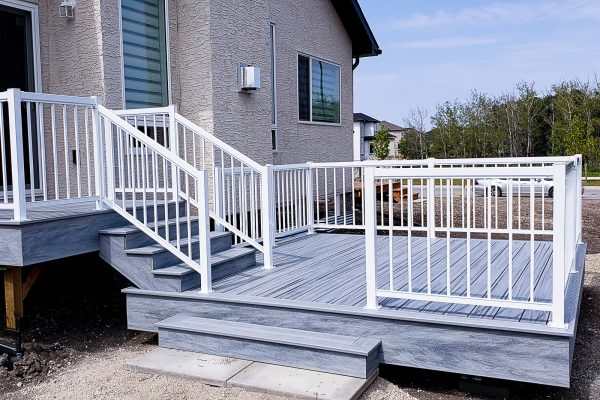
The mixture is heated and extruded through a die to form boards with the desired profile. Premium WPC products sometimes use a co‑extrusion process that applies a thin protective polymer cap layer to the outer surface. This capstock improves scratch resistance and color stability. In our production, we have observed that boards with a consistent wood fiber size and uniform plastic distribution resist moisture absorption far better than poorly mixed batches.
If you are comparing WPC with other composite fencing options, our WPC Privacy Fence panels show how co‑extrusion and dense fiber mixing hold up in outdoor installations.
What Practical Benefits Does WPC Fencing Offer?
For buyers weighing materials, WPC’s main advantage is a near‑zero maintenance schedule paired with durability in conditions that destroy wood fences over time.
Zero Painting and Staining: Lifetime Savings
A wood fence must be repainted or stained every two to three years to maintain its appearance and protect it from moisture. WPC boards are colored throughout the material, so scratches or surface wear do not reveal a different shade. No painting, staining, or sealing is needed. The upfront cost of WPC is typically higher than pressure‑treated pine, but the lifetime cost tends to equalize after five to seven years when you account for the materials and labor spent on recurring wood maintenance.
Rot and Termite Resistance: No Chemical Treatments
Because the plastic component encapsulates the wood fibers, WPC fencing is inherently resistant to rot and insect attack. Wood fences require chemical pressure treatment to resist termites and decay. WPC achieves similar or better resistance without added chemicals. This makes it suitable for ground‑contact installations and humid climates where even treated lumber eventually fails. In coastal projects we have supplied, well‑made WPC with HDPE outlasted treated pine by a factor of two.
Other practical benefits include resistance to cracking, splintering, and warping, and the ability to hold fasteners securely. The boards also come in a wide range of colors and wood‑grain textures. Take a look at our Outdoor WPC Fence collection to see how different textures and profiles fit into residential and commercial settings.
How Eco‑Friendly Is WPC Fencing Really?
The eco‑friendly label usually points to recycled content. Many WPC formulations use post‑consumer recycled plastic, such as from milk jugs or packaging, and reclaimed wood fibers from sawmill waste. This diverts material from landfills and reduces the need for virgin timber.
However, the environmental picture is not uniformly positive. The extrusion process needs significant heat energy, and if the plastic is PVC, disposal concerns arise because incineration can release dioxins. HDPE‑based WPC is generally preferred for its lower footprint and wider recyclability. In our material sourcing, we demand HDPE because it is easier to reprocess and performs better outdoors.
Longevity also supports sustainability. A fence that lasts 20 to 25 years without replacement saves raw materials and transportation emissions compared to wood fencing that may need replacement twice in the same period. Buyers looking for genuinely eco‑friendly WPC should ask suppliers for recycled content percentages and plastic type documentation.
If your project requires documented eco‑credentials or specific recycled content percentages for green building certification, confirm the material composition with us before finalizing your spec sheet. Reach out at sales01@yulongkeji-ch.com.
What Determines a WPC Fence’s Real‑World Performance?
Not all WPC mixes are equal. How a fence stands up to sun, rain, and temperature swings depends on a handful of manufacturing decisions.
Virgin vs Recycled Plastic: Does It Matter?
Both virgin and clean recycled HDPE can produce durable composites. Low‑grade recycled plastics contaminated with other polymers or impurities will weaken the composite and cause early brittle failure. Reputable manufacturers specify the plastic type and source. Ask for material purity documentation.
Co‑Extrusion and Capstock: The Protective Layer
A growing number of premium WPC fence panels use a co‑extruded cap layer, usually a UV‑resistant polymer such as ASA or a modified HDPE. This outer shell shields the core from UV degradation and moisture ingress. In our product development, we tested uncapped and capped boards side by side in accelerated weathering chambers. The capped versions retained color and surface integrity roughly three times longer than uncapped boards under identical UV exposure.
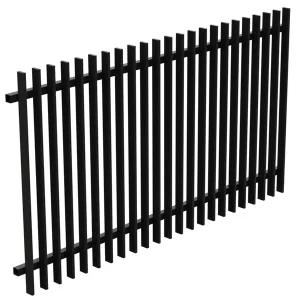
Other factors include wood fiber size. Finer, uniform fibers create a denser, less water‑absorbent board. Adequate UV inhibitors and heat stabilizers in the formulation directly influence how the fence holds up after a decade outdoors.
How to Get WPC Fencing That Meets Your Project’s Demands
When procuring WPC fencing, focus on a few verifiable specifications: plastic type (HDPE is preferred), minimum recycled content, cap‑layer thickness (0.2‑0.5 mm is common), a warranty of at least ten years against structural failure, and sample boards for density and hardness checks.
We handle both standard and custom WPC fence orders at Hubei Yulong. Our WPC privacy fence panels combine HDPE with a co‑extruded protective layer and aluminum post integration for structural stability. For contractors and distributors planning volume orders, we provide material data sheets, accelerated weather test reports, and SGS certifications.
Choosing a fence that will stand up to your local climate and code requirements does not have to be guesswork. Share your project location, preferred board dimensions, and any load or fire rating requirements with us, and we can recommend the right formulation and post system for your application. Send your details to sales01@yulongkeji-ch.com or reach us at +8619086315193.
Common Questions About WPC Fencing
Is WPC fencing more expensive than wood?
Upfront, yes. A WPC panel costs more per linear foot than pressure‑treated pine or cedar. Over a 15‑year cycle, the total cost of a wood fence typically surpasses WPC once you add repainting, staining, and three to four board replacements. In commercial applications, maintenance‑free materials reduce ongoing facilities budgets.
Can WPC fencing be installed on existing posts?
It depends. If the posts are structurally sound and the post spacing matches the new panels’ span, mounting WPC panels on existing posts is possible. Wood posts may need protective sleeves or replacement if they show signs of rot. Our WPC systems pair with aluminum posts for a precise fit, so retrofits sometimes require new post installations.
Does WPC fencing fade over time?
All outdoor materials fade with extended UV exposure, including WPC. Formulations with robust UV inhibitors and a co‑extruded cap layer slow the process considerably. Darker colors tend to show fading more visibly in the first few years, then stabilize. You can expect a properly capped WPC fence to retain acceptable color uniformity for 10‑15 years.
How do you clean WPC fence panels?
Mild soap, water, and a soft brush remove most dirt and algae. Pressure washing with a wide‑angle tip at low pressure is safe for capped WPC. In maintenance programs we have overseen, a single cleaning per year keeps panels looking like new. Avoid abrasive cleansers and stiff wire brushes, which can roughen the surface.
Is WPC fencing strong enough for windy areas?
Many people assume composite boards are inherently weaker than solid lumber, but a properly installed WPC fence with aluminum posts resists wind loads well. Lateral stiffness comes from the post‑and‑rail structure, not the infill material. In high‑wind regions, reducing post spacing and upgrading to thicker‑wall aluminum posts is the standard solution. If your project carries a specific wind load requirement, share your maximum wind speed and fence height with us at sales01@yulongkeji-ch.com, and we can verify the appropriate post spacing and anchoring method.
If you’re interested, check out these related articles:
Aluminum Gate Hardware: Hinges, Latches, and Lasting Security
Hot-Dip Galvanized vs Powder-Coated Fence: Performance & Value
Aluminum Fences: School & Playground Safety Compliance
Custom Chain Link Fence: Gauges, Heights, Gates & Bulk Guide