
Suburban homeowners replacing aging wood or chain link fencing often discover that steel residential fence systems deliver the security and curb appeal they want without the maintenance burden they expect. The real question most buyers face is not whether steel works for residential applications, but which steel fence configuration matches their property layout, HOA requirements, and budget constraints. I have worked with hundreds of residential projects where the initial cost concern disappeared once homeowners understood the fifteen to twenty year service life of properly coated steel panels compared to the five to eight year repaint cycles of traditional alternatives.
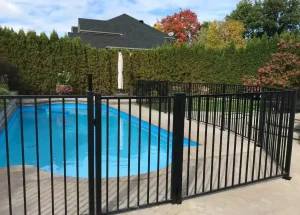
Why Steel Fencing Works for Suburban Properties
Steel residential fencing occupies a specific performance zone between lightweight aluminum and heavy wrought iron. The material provides structural rigidity that resists impact from lawn equipment, falling branches, and active children without the weight penalty that makes wrought iron installation expensive and post requirements demanding.
Modern steel residential fence panels use tubular construction with wall thicknesses ranging from 1.0mm to 1.5mm depending on picket height and span requirements. This construction method reduces material cost while maintaining the load bearing capacity needed for gates and corner posts. A typical 1800mm tall steel fence panel weighs approximately 12 to 15 kilograms, manageable for two person installation yet substantial enough to resist wind loads in exposed suburban lots.
The suburban application differs from commercial steel fencing primarily in aesthetic expectations. Homeowners want fence lines that complement landscaping and architectural styles rather than simply defining boundaries. Steel fence manufacturers respond with ornamental designs featuring decorative finials, curved top rails, and powder coat colors that match common exterior paint palettes.
Steel Fence Coating Systems and Corrosion Protection
The coating system determines steel fence longevity more than any other factor. I have seen identical steel profiles fail within three years or perform flawlessly for fifteen years based entirely on surface preparation and coating specification.
| Coating Type | Typical Thickness | Expected Service Life | Best Application |
|---|---|---|---|
| Powder coat only | 60-80 microns | 5-8 years | Dry climates, covered areas |
| Hot-dip galvanized | 45-85 microns zinc | 15-25 years | Coastal, humid, industrial |
| Galvanized plus powder coat | Combined 100-150 microns | 20+ years | Maximum durability requirement |
Hot-dip galvanizing creates a metallurgical bond between zinc and steel that provides sacrificial corrosion protection. When the coating is scratched, surrounding zinc corrodes preferentially, protecting the exposed steel substrate. Powder coating alone lacks this self-healing property, making it vulnerable to rust progression from any coating breach.
For suburban installations where lawn maintenance equipment operates near fence lines, the galvanized plus powder coat combination prevents the rust streaking that develops when string trimmers nick unprotected powder coat surfaces. The additional coating cost typically adds fifteen to twenty percent to panel pricing but eliminates touch-up maintenance for the fence lifetime.
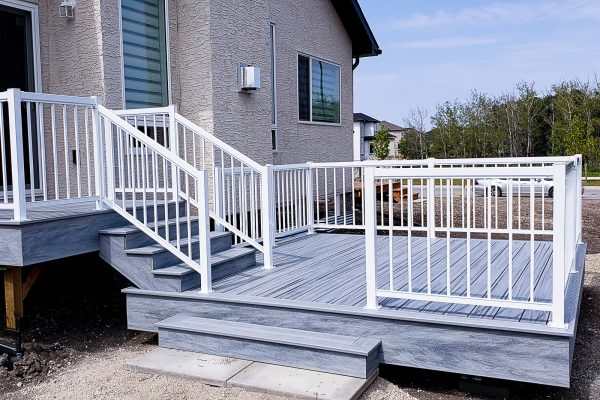
Steel Fence Height and Style Selection for Residential Use
Suburban fence height selection involves balancing privacy desires against local zoning restrictions and neighbor relations. Most residential zoning codes permit 1200mm to 1500mm front yard fencing and 1800mm to 2100mm side and rear yard fencing without variance applications.
Steel residential fence styles fall into three primary categories. Flat top designs present a clean horizontal line suited to contemporary architecture. Spear top profiles add traditional character and provide modest climb deterrence. Staggered height or arched configurations create visual interest for properties where the fence serves as a design element rather than pure boundary marker.
Picket spacing affects both appearance and function. Standard 100mm spacing meets most building codes for pool barrier compliance while maintaining visual openness. Closer 75mm spacing improves small pet containment but increases material cost proportionally. Wider 125mm spacing reduces cost and weight but may not satisfy pool fence requirements in jurisdictions following ASTM F1908 standards.
The rail configuration impacts structural performance significantly. Two rail systems work adequately for fences under 1500mm in protected locations. Three rail construction becomes necessary for taller panels or sites with wind exposure. The third rail prevents picket rotation under sustained wind load and maintains alignment over the fence service life.
What Steel Fence Panels Actually Cost
Steel residential fence pricing varies dramatically based on specification, coating, and purchase volume. The per linear meter cost breakdown helps homeowners compare quotations accurately.
Entry level powder coated steel fence panels with two rails and 1200mm height typically range from $45 to $65 per linear meter including posts at standard 2400mm spacing. This specification suits interior lot lines where appearance matters less than boundary definition.
Mid-range galvanized and powder coated panels with three rails and 1800mm height run $85 to $120 per linear meter. This specification handles most suburban front and side yard applications with good durability expectations.
Premium ornamental steel fencing with decorative elements, heavy gauge construction, and extended warranty coverage reaches $150 to $200 per linear meter. These systems compete with aluminum and wrought iron alternatives on appearance while offering steel’s structural advantages.
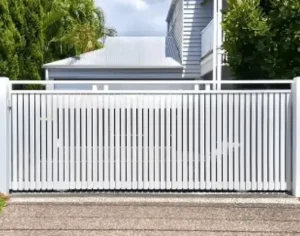
Gate costs add substantially to project totals. A standard 900mm pedestrian gate with hardware runs $250 to $400 depending on style. Double swing driveway gates for 3000mm openings range from $800 to $1500 before automation. Sliding gate systems for constrained driveways start around $1200 for manual operation and $2500 to $4000 with automatic openers.
Installation Methods That Affect Long Term Performance
Steel fence installation quality determines whether the system performs to specification or develops problems within the first few years. The post setting method matters most for suburban applications where soil conditions vary and frost heave affects shallow installations.
Concrete post footings remain the standard approach for permanent steel fence installation. A 100mm diameter post requires a footing 300mm in diameter and 600mm deep minimum, extending below the frost line in cold climates. Proper concrete mix achieves 20 MPa compressive strength within seven days, allowing fence panel attachment to proceed.
Direct burial posts with concrete collars work for temporary installations or soil conditions that make full footings impractical. This method saves labor but reduces lateral load capacity and may allow post movement over time as soil settles around the collar.
Surface mount post bases suit hardscape installations where penetrating concrete or pavers is undesirable. These bases require anchor bolts into existing concrete with minimum 100mm embedment. Surface mounting works well for patio enclosures and pool surrounds but lacks the rigidity needed for long fence runs or gate posts.
Post spacing affects both cost and appearance. Standard 2400mm spacing matches common panel widths and minimizes post count. Closer 1800mm spacing improves rigidity for tall panels or windy sites but increases post and footing costs by approximately thirty percent. The decision depends on local wind conditions and aesthetic preferences for post visibility.
Comparing Steel to Alternative Residential Fence Materials
Homeowners evaluating steel residential fencing typically consider aluminum, wood, vinyl, and composite alternatives. Each material serves different priorities.
Aluminum fencing costs fifteen to thirty percent more than comparable steel but eliminates corrosion concerns entirely. The weight reduction simplifies installation and reduces shipping costs for imported products. However, aluminum lacks steel’s impact resistance and dents more readily from lawn equipment contact.
Wood fencing costs less initially but requires ongoing maintenance including staining, sealing, and board replacement. A cedar fence installed for $60 per linear meter may cost $15 to $25 per linear meter every three to five years for maintenance, eventually exceeding steel’s total cost of ownership.
Vinyl fencing resists rot and insects but becomes brittle in cold climates and fades in intense sun exposure. The material cannot be repainted when color changes are desired, limiting long term flexibility.
Composite fencing combines wood fiber and plastic for rot resistance with wood-like appearance. Costs run similar to premium steel but the material lacks structural strength for tall applications or gate posts without steel reinforcement.
Steel residential fencing occupies the middle ground, offering structural performance superior to aluminum and vinyl with maintenance requirements far below wood. The coating system selection determines whether steel achieves its durability potential.
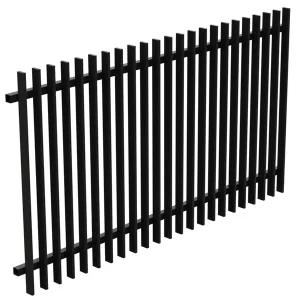
Working with Steel Fence Suppliers and Manufacturers
Selecting a steel fence supplier involves evaluating manufacturing capability, coating quality, and delivery logistics. Homeowners purchasing through retailers or contractors benefit from understanding what distinguishes quality suppliers from commodity sources.
Manufacturing consistency shows in weld quality, dimensional accuracy, and coating uniformity. Quality suppliers maintain welding procedures that produce smooth, fully penetrated joints without spatter or undercut. Panel dimensions hold to plus or minus 2mm tolerances, ensuring proper fit during installation. Coating thickness measurements at multiple points confirm consistent coverage without thin spots that become corrosion initiation sites.
Warranty terms reveal supplier confidence in their products. Basic warranties covering manufacturing defects for one year indicate minimal commitment. Extended warranties of ten to fifteen years on coating performance suggest proper galvanizing and powder coat application. Lifetime structural warranties on steel components demonstrate confidence in material specification and fabrication quality.
If your project involves specific height requirements, custom colors, or non-standard gate configurations, confirming manufacturing capabilities before ordering prevents delays and substitutions. Share your property survey and any HOA architectural guidelines with potential suppliers to verify compliance before production begins.
Common Questions About Steel Residential Fencing
Does steel fencing rust in humid or coastal climates?
Steel fencing with proper galvanizing and powder coating performs well in humid and coastal environments for fifteen to twenty years or longer. The galvanizing layer provides active corrosion protection even when the powder coat is damaged. Coastal installations within 500 meters of saltwater benefit from marine grade specifications with heavier zinc coatings and UV-stabilized powder coat formulations. Annual rinsing with fresh water removes salt deposits that accelerate coating degradation.
How does steel fence maintenance compare to wood or aluminum?
Steel fence maintenance falls between wood and aluminum in terms of effort required. Unlike wood, steel needs no staining, sealing, or rot repair. Unlike aluminum, steel may eventually require touch-up painting if the coating is damaged. Practical maintenance involves annual inspection for coating damage, prompt touch-up of scratches with matching paint, and occasional cleaning with mild detergent. Most homeowners spend two to four hours annually maintaining a typical residential steel fence installation.
Can steel fencing meet pool barrier code requirements?
Steel fencing meets pool barrier requirements when specified correctly for local codes. Most jurisdictions require 1200mm minimum height, maximum 100mm picket spacing, and non-climbable design without horizontal rails that could serve as footholds. Self-closing, self-latching gates with releases positioned out of children’s reach complete the compliant installation. Confirm specific requirements with your local building authority before ordering, as code variations exist between jurisdictions.
What is the typical lead time for custom steel fence orders?
Standard steel fence panels in common sizes and colors ship within one to two weeks from stocking distributors. Custom specifications including non-standard heights, special colors, or decorative elements typically require four to six weeks for manufacturing. Large residential projects exceeding 100 linear meters may benefit from direct factory ordering with eight to twelve week lead times but improved per-meter pricing. Planning fence installation around landscaping schedules or HOA approval timelines helps accommodate production lead times.
How do I verify steel fence quality before purchasing?
Request coating thickness documentation, weld procedure specifications, and material certificates from potential suppliers. Quality manufacturers provide test reports showing zinc coating weight for galvanized products and powder coat thickness measurements. Physical samples allow inspection of weld quality, coating uniformity, and dimensional accuracy. Visiting completed installations of the same product line reveals real-world performance and aging characteristics that photographs cannot convey. If you need guidance matching specifications to your site conditions, share your project details at sales01@yulongkeji-ch.com or call +8619086315193 for technical recommendations.
If you’re interested, check out these related articles:
Wholesale Steel Garden Fence Panels: Distributor Pricing & Supply
Source Steel Fencing from China: An Expert Import Guide
Aluminum vs Vinyl Fence: Maximizing Longevity and Value
Best Aluminum Fence Styles for Residential Gardens in 2025
Steel Fence vs Wrought Iron: Modern Options for Durable Fencing