
When I first started comparing fencing materials for long-term projects, the aluminum versus vinyl debate seemed straightforward. It isn’t. Both materials have their advocates, and both can fail spectacularly when mismatched to their environment. What follows draws from years of watching fences age across different climates and installation contexts—some gracefully, others not so much.
How Aluminum and Vinyl Fences Hold Up Over Time
The fundamental difference between aluminum and vinyl fencing comes down to what happens at the molecular level when stress arrives. Aluminum brings a non-ferrous metal composition with an impressive strength-to-weight ratio and natural corrosion resistance. Surface treatments like powder coating push this further, creating a barrier against oxidation that holds up remarkably well. Automated production lines help maintain consistent finish quality, which matters more than most people realize for aluminum fence lifespan.
Vinyl fencing takes a different approach. Its polymeric composition resists rot and insect damage without question—advantages that made it popular as a wood alternative. But UV radiation tells a different story. Prolonged sun exposure causes the plasticizers in vinyl to leach out gradually. The material becomes rigid. Then brittle. Temperature swings accelerate this process. A fence material comparison that ignores these degradation patterns misses the point entirely.
| Feature | Aluminum Fence | Vinyl Fence |
|---|---|---|
| Material Strength | High, excellent impact resistance | Moderate, can become brittle with age |
| Corrosion | Inherently resistant, enhanced by powder coating | Resistant to rot, susceptible to UV degradation |
| Structural | Rigid, maintains shape under stress | Flexible, prone to warping or sagging over time |
| Lifespan | 30-50+ years | 20-30 years |
!alt text
 ## What Extreme Weather Does to Each Material
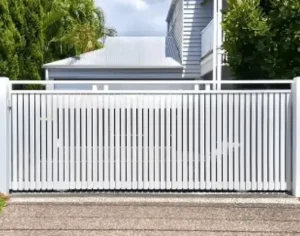
Climate punishes fencing materials differently. Aluminum fencing with proper surface treatments handles temperature extremes without complaint—intense heat, sub-zero conditions, the works. The powder-coated finish prevents moisture from getting in, which eliminates rust concerns even in coastal environments where salt air destroys lesser materials. Both aluminum and Ornamental Steel Fence systems engineered this way maintain structural integrity and appearance for decades.
Vinyl tells a more complicated story in harsh conditions. Moisture resistance is genuine, but UV radiation creates problems that compound over time. Chalking, fading, discoloration—these aren’t cosmetic issues alone. They signal material breakdown. Extreme cold makes vinyl brittle enough that impact can shatter it. High temperatures cause warping and sagging that throws off alignment permanently. The freeze-thaw cycle impact common across much of North America puts particular stress on vinyl installations, often revealing weaknesses that weren’t apparent at installation.
Is aluminum or vinyl fencing more resistant to extreme weather conditions?
Aluminum fencing handles extreme weather conditions better than vinyl across most metrics. The metallic composition combined with protective powder coating allows aluminum to endure high winds, heavy snow loads, and significant temperature swings without structural problems. Vinyl can crack in extreme cold or warp in intense heat—failure modes that aluminum simply doesn’t exhibit. This makes Aluminum Security Fence installations reliable across diverse climates where vinyl would struggle.
The Real Maintenance Picture
Long-term fence value depends heavily on what maintenance actually looks like in practice. Aluminum fencing earns its low-maintenance reputation honestly. Factory-applied powder coating creates a smooth surface that resists dirt accumulation. Occasional washing with mild soap and water handles most cleaning needs. This self-cleaning fence characteristic translates directly into time and money saved over the fence’s life. Repair frequency stays low because Aluminum Fence Panels typically only need attention after accidental damage, not material degradation.
Vinyl fencing requires more specific attention despite its low-maintenance marketing. Mold, mildew, and stubborn stains adhere to the surface more readily than manufacturers suggest. Chalking and fading over time often demand specialized cleaning products or surface treatments to restore appearance. Individual vinyl components can be replaced, but the material’s vulnerability to impact damage and UV degradation means repairs happen more often than with aluminum. The total cost-effectiveness fence materials calculation shifts when you factor in these ongoing demands.
What are the typical maintenance requirements for aluminum versus vinyl fences?
Aluminum fences need occasional rinsing with water to remove dirt and debris—that’s essentially it. The powder coating protects against corrosion and fading without painting or sealing. Vinyl fences also qualify as low maintenance but often require more frequent cleaning for mold, mildew, or stains, particularly in humid climates. Fading and chalking over time may require specific cleaning agents or surface treatments to maintain appearance.
Understanding True Investment Value
Initial purchase price tells only part of the investment story. Aluminum fencing typically costs more upfront than vinyl, but the extended lifespan and minimal maintenance requirements usually result in lower total ownership costs over decades. The durability and structural integrity of aluminum contribute to property value in ways that matter during resale—a genuine property value fence consideration that buyers notice.
Vinyl fences offer lower initial investment, but environmental degradation and more frequent repairs add up. Replacement costs arrive sooner. The ROI fence materials comparison favors aluminum when you extend the analysis beyond the first few years. Quality aluminum systems come with robust warranties that reflect manufacturer confidence in long service life, further securing long-term fence investment. This lifecycle cost analysis consistently shows that higher initial aluminum expenditure gets offset by superior longevity and reduced ongoing expenses.
Does the initial cost of aluminum or vinyl fencing reflect its long-term value?
Initial fencing costs don’t reliably indicate true long-term value. Aluminum fences carry higher upfront prices but deliver exceptional durability, minimal maintenance, and extended lifespans often exceeding 30-50 years—a superior return on investment by most measures. Vinyl fences cost less initially but typically last 20-30 years. UV degradation and brittleness lead to higher replacement and repair expenses over time, diminishing overall long-term value despite the attractive starting price.
How Appearance Holds Up Over the Years
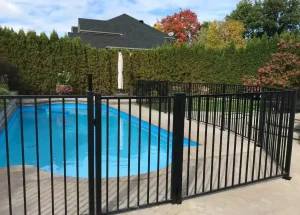
Aesthetic preservation matters for any fence that’s supposed to enhance a property. Aluminum fences maintain their appearance through robust powder coating that ensures color stability and resistance to fading, chipping, and peeling. UV radiation and weathering that destroy other materials barely affect properly finished aluminum. The fence customization options available—various styles, colors, decorative elements—allow precise integration with architectural designs that stays looking right for decades.
Vinyl fencing starts clean but faces aesthetic challenges as years pass. UV exposure causes chalking and irreversible discoloration, particularly in darker colors that absorb more radiation. The material’s flexibility limits design versatility compared to aluminum, with fewer intricate customization possibilities. Vinyl can mimic other materials initially, but maintaining that appearance consistently over its lifespan proves less reliable than the enduring finish of a Powder Coated Aluminum Railing.
!alt text
 ## Making the Right Choice for Your Specific Project
Strategic fencing selection requires honest assessment of project type, environmental conditions, budget constraints, and acceptable maintenance levels. Residential fence options prioritize durability and aesthetic retention—aluminum performs well here for lasting property enhancement. Commercial fence solutions demand robust security with minimal upkeep, areas where aluminum consistently outperforms vinyl. Both Aluminum Driveway Gate and Aluminum Security Fence systems are engineered for these demanding applications.
Local climate deserves serious consideration. Coastal areas and regions with extreme temperatures benefit significantly from aluminum’s superior weather resistance. Vinyl may offer lower initial investment, but lifecycle cost analysis typically favors aluminum through extended lifespan and reduced maintenance. Durable fencing solutions that meet stringent performance criteria rely on automated production and advanced surface treatments to deliver excellent corrosion resistance and self-cleaning performance, ensuring long service life for urban safety and environmental beautification.
For projects demanding unparalleled durability, superior corrosion resistance, and extended service life, advanced aluminum and zinc steel fencing systems provide reliable solutions for urban safety and environmental beautification across municipal, residential, and commercial developments globally. Connect with fencing experts to discuss specific requirements and discover how quality products can provide lasting value. Contact +8619086315193 or sales01@yulongkeji-ch.com for consultation.
Frequently Asked Questions
What is the typical lifespan difference between aluminum and vinyl fences?
Aluminum fences generally exceed 30-50 years with proper installation and minimal maintenance, thanks to inherent strength and corrosion-resistant properties. Vinyl fences typically last around 20-30 years, though longevity depends heavily on UV exposure, temperature extremes, and impact damage over time. The lifespan gap widens in harsh climates where vinyl degradation accelerates.
How does quality manufacturing ensure aluminum fence longevity?
Quality aluminum fencing achieves exceptional longevity through advanced manufacturing processes including automated production lines and state-of-the-art surface treatment technology. These processes produce excellent corrosion resistance, strong weather durability, and self-cleaning performance designed for long service life across diverse environments. Engineering for maximum lifespan and minimal degradation requires consistent quality control throughout production.
Are aluminum fences a more sustainable choice for long-term environmental impact?
Aluminum fences generally represent a more sustainable choice for long-term environmental impact. Aluminum is highly recyclable, and extended lifespan reduces replacement frequency and waste generation. Vinyl recycling infrastructure remains less widespread, and production often involves more energy-intensive processes compared to aluminum’s recycled content potential. The smaller environmental footprint becomes significant over decades of use.