
When a project demands a blade fence with non-standard dimensions, specific blade angles, or a particular RAL powder coat color, the procurement process stalls at the specification gap. Standard catalog pages rarely match the architectural drawings. As a metal fencing engineer with over a decade of factory-floor experience, I’ve seen how this gap disappears when the buyer understands how a manufacturer actually turns a custom specification into a finished aluminum blade fence. This article walks through our manufacturing process from engineering review to final delivery, showing how we build custom aluminum blade fences to your exact requirements, and what you need to know to get the result you expect.
Defining Your Blade Fence Specifications
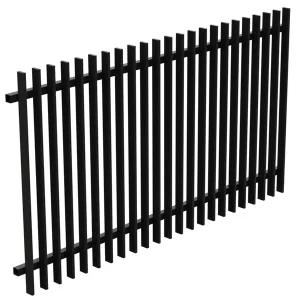
Every custom blade fence order starts with a clear set of specifications. The more precise the input, the fewer surprises downstream. We typically ask for panel height, overall length, post centers, blade width and thickness, blade angle, and the desired RAL or custom color code. If you have an architect’s elevation drawing or a CAD sketch, even a rough one, that accelerates the engineering review.
We also need to know the fixing method: bolted to the post face, fixed between posts with brackets, or set inside a channel. Each method changes how we calculate blade length and end clearance. For commercial projects, wind load requirements may dictate post section size and embedment depth, so we ask for the basic wind speed or the applicable local building code reference.
A typical specification comparison looks like this:
| Parameter | Common Standard Option | Custom Range We Support |
|---|---|---|
| Panel height | 1.2 m / 1.5 m / 1.8 m | 0.6 m to 2.4 m |
| Blade width | 100 mm | 60 mm to 200 mm |
| Blade angle | 30° fixed | 15° to 45° adjustable |
| Post size | 80×80 mm aluminum | 60×60 mm to 100×100 mm, steel or aluminum |
| Color finish | RAL 9005 black | Any RAL, plus wood-grain or anodized |
If your blade spacing needs to balance privacy and airflow, we can simulate sight lines from a plan view and recommend an angle and spacing combination before production begins.
The Aluminum Extrusion and Fabrication Process
Once the engineering drawing is approved, we move into extrusion and fabrication. The blade profiles are extruded from 6063‑T5 aluminum alloy, which provides the strength‑to‑weight ratio and corrosion resistance needed for long‑term outdoor exposure. T5 temper gives a good balance of formability and structural capacity. For coastal or highly corrosive environments, we can also specify 6061‑T6 alloy or apply a primer under the powder coat.
Blade lengths are cut to tight tolerances guided by the approved panel drawing. Each blade is punched or drilled for fasteners. Depending on the design, we either assemble blades directly onto horizontal rails or fix them to a sub‑frame that then attaches to the posts. Our assembly team works from a marked‑up production drawing that calls out every dimension, so a panel with 28 blades at 38 mm spacing repeats exactly across the full order.
We check the first assembled panel against the engineering drawing and, on larger projects, we photograph that panel and share it with the buyer for a visual confirmation before proceeding with the remaining panels.
Powder Coating and Surface Finish Options
The coating line is where a custom blade fence gets its final appearance and weather protection. After fabrication, panels and posts go through a multi‑stage pretreatment that removes surface oxides and applies a conversion coating for adhesion. We hang parts on a conveyor and apply polyester powder electrostatically, then cure at around 200°C. The result is a uniform, 60–90 micron dry film thickness that passes adhesion and impact tests.
Color matching is one of the most frequent reasons buyers come to us for custom orders. If you supply a RAL number, we match it directly from our supplier’s stock powder. For non‑standard colors, we do a small‑batch spray‑out on an aluminum test plate and send photos, and if needed, a physical sample sheet, for approval. Custom colors add about five to seven working days to the lead time.
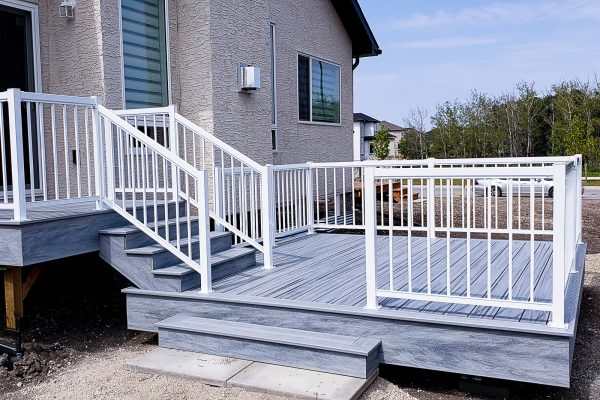
Our standard powder meets Qualicoat Class 1 or AAMA 2604 requirements. For high‑UV or marine environments, we can upgrade to a super‑durable polyester or a fluoropolymer topcoat. We also test salt spray resistance periodically on retained samples to confirm ongoing coating performance, aiming for 1,000 hours minimum with no blistering or under‑film corrosion.
Managing Custom Dimensions and Engineering Changes
A custom blade fence project rarely stays static. Site measurements get refined, gate openings shift, or the landscape architect adjusts the finish after the first submittal. We handle these changes through a structured revision control process that keeps the project moving without losing traceability.
When a dimension change comes in, we update the fabrication drawing, assign a revision number, and re‑evaluate the structural implications. If the panel height increases, for example, the post section and embedment may need to step up. We run a static wind load calculation based on the project’s design wind speed and check that post spacing and fastener layout still meet the required safety factor. If the change affects material quantities, we send a revised quotation before cutting metal to avoid surprises.
For phased deliveries on large residential complexes, we can batch the production so that the first buildings get their panels while later phases are still being engineered. This approach requires tight coordination, but it keeps the general contractor’s schedule intact and prevents material sitting on site too long.
From Order to Delivery: Lead Times and Logistics
Once the engineering and color approvals are complete, a custom blade fence order typically takes four to six weeks to manufacture, plus shipping time. The exact lead time depends on the order volume and whether custom extrusion dies are needed. Standard profiles use existing dies; an entirely new blade shape requires new tooling, which can add three to four weeks.
Every order goes through a pre‑shipment inspection that covers dimensions, weld quality, coating thickness, and color uniformity. We use calibrated gauges and a gloss meter, and we log the results against the purchase order. For larger export orders, we can arrange a third‑party inspection at the buyer’s request.
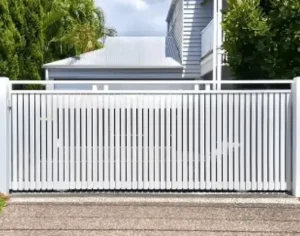
We package blade fence panels with foam separators and protective film on powder‑coated surfaces, then load them into plywood crates or steel pallets. Panels up to 2.4 meters typically ship in a 20‑foot container; taller panels may require open‑top or flat‑rack containers. We handle both FOB and CIF terms, and we can quote door‑to‑door freight if you provide the delivery address.
Getting Accurate Pricing for Your Custom Blade Fence
Pricing a custom blade fence order does not follow a standard per‑meter chart, because the variables drive the cost in different directions. Panel height, blade section, post dimensions, coating specification, and total volume all shift the unit price. This is why we ask for a complete set of requirements rather than a one‑line inquiry, so the quotation you receive reflects the actual manufacturing cost of your design, not a generic estimate.
For buyers who are comparing multiple suppliers, we recommend sending the same drawing and specification to each and asking for a line‑item breakdown that separates material, coating, fabrication, and packaging. That makes it easier to compare proposals on the same basis and to spot where one supplier may be cutting corners.
If you have a take‑off or a bill of quantities already prepared, we can turn around a pricing proposal within three to five working days. For phased or multi‑building projects, we can also provide a schedule‑based pricing structure that locks in rates for future shipments. Send your project requirements to sales01@yulongkeji-ch.com or call our engineering team at +8619086315193, and we will confirm material availability, lead time, and a detailed quotation matched to your specifications.
Common Questions About Custom Blade Fence Manufacturing
Can I use my own design drawing instead of choosing from your catalog?
Yes, and this is actually the most common path for custom blade fence orders. We prefer to work from your drawing because it removes interpretation errors. Acceptable formats include PDF, DWG, or even a hand sketch with dimensions. Our engineering team reviews every drawing before quoting to flag any manufacturability issues, such as blade profiles that cannot be extruded with standard tooling or fastener placements that conflict with post‑rail geometry. Once we confirm that the design can be built, we return a marked‑up drawing with any suggested adjustments for your approval.
What minimum order quantity do you require for a custom blade fence?
Our minimum order quantity for a fully custom blade fence is usually one standard 20‑foot container, which typically holds 200 to 300 linear meters of panel depending on the height and post configuration. For smaller trial orders, we can sometimes combine your production run with another compatible order to share container space, but the unit cost will be higher because setup times stay the same. If you need only a few panels for a mock‑up or a showroom display, we can quote those separately with a small‑batch surcharge.
How do you ensure the finish stays consistent across multiple production batches?
We keep a retained powder sample and a set of color‑reference panels from every custom color we run. When a repeat order comes in, we pull the reference sample and do a spray‑out on a fresh test plate to confirm the match before coating production parts. The powder supplier’s batch number is also recorded on the job card, so we can trace any variation later. In over twelve years of production, I’ve found that the biggest source of color inconsistency is not the powder itself but oven temperature drift, so we calibrate each curing oven’s thermocouples weekly as a preventive measure.
Will the blade panels handle strong winds in coastal or high‑rise applications?
The answer depends on the panel height, post spacing, and the local design wind speed. For any project where wind load is a concern, we request the basic wind speed from the project’s structural engineer or reference the applicable building code and exposure category. We then calculate the bending moment on the blades, the post deflection, and the embedment or baseplate connection. If the standard post section does not meet the required safety factor, we upsize the post or reduce the spacing. For a recent marina project, we switched from an 80×80 mm post to a 100×100 mm section and added intermediate posts to handle the 180 km/h design wind speed. Sharing your wind load parameters early will save a round of engineering back‑and‑forth when you are ready to order.
If you’re interested, check out these related articles:
Source Steel Fencing from China: An Expert Import Guide
Industrial Aluminum Fences: High-Security for Factories & Warehouses
Aluminum Fence Grades: Understanding T5 and T6 Strength
Paint & Maintain Ornamental Steel & Wrought Iron Fences