
Hot-dip galvanized wire mesh and PVC-coated wire mesh are usually compared on purchase price, but the field economics do not start until the first coating failure appears. A fence panel beside a coastal highway and a panel around a landscaped garden do not corrode at the same rate, and a specification that ignores zinc thickness or PVC adhesion simply moves the replacement cost forward. This article reads the choice from an engineering perspective: where each coating holds, where it fails, and how buyers should specify it so the quoted price reflects the service life they are actually buying.
How Do Hot-Dip Galvanized and PVC Coatings Protect Wire Mesh?
Hot-dip galvanizing creates a metallurgically bonded zinc layer that reacts with the steel surface rather than sitting on it. The outer zinc corrodes first, which protects the steel at scratches and cut ends where bare metal is exposed. PVC coating works differently. A colored PVC shell over the galvanized core blocks moisture and oxygen, but only where the film remains intact. In our specification reviews, I treat galvanizing mass as the structural protection and PVC as an aesthetic barrier with a useful but conditional corrosion role. That distinction changes how I compare warranties and how I inspect cut edges.
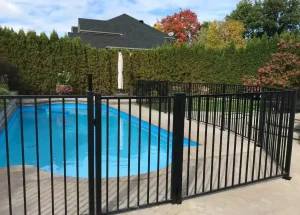
When Does Hot-Dip Galvanized Wire Mesh Outlast PVC-Coated Panels?
Hot-dip galvanized mesh holds an advantage in aggressive environments: salt spray, industrial emissions, high humidity, and any installation where panels sit close to soil or concrete splash lines. The zinc layer sacrifices itself at damaged points, so a scratched wire still resists red rust for a service period that depends on zinc mass. PVC-coated panels can look intact while trapped moisture moves beneath the coating at wire intersections. We have seen this pattern in project inquiries from humid coastal sites: surface color remained acceptable, but spot rust at the joints had already weakened the mesh before the owner noticed. For those conditions, I specify hot-dip galvanized wire with a heavier coating mass rather than relying on a PVC film to do the primary corrosion work.
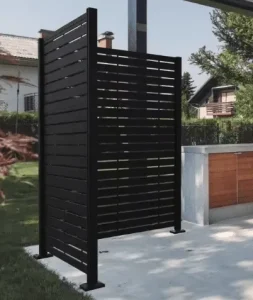
When Should Buyers Choose PVC-Coated Wire Mesh Instead?
PVC-coated mesh is the better visual and practical choice when the fence is not in an aggressive environment and color consistency matters more than sacrificial protection. Residential boundaries, garden enclosures, sports courts, and light commercial screening often use green or black PVC coatings to blend into planting or reduce the industrial look of galvanized steel. The cost trade is usually acceptable because the service demand is lighter and the panels are replaced less often. The table below separates the two systems.
| Factor | Hot-Dip Galvanized | PVC-Coated |
|---|---|---|
| Protection layer | Zinc-iron alloy layers that sacrifice themselves | Organic PVC shell over a galvanized core |
| Best for | Industrial, coastal, high-humidity sites | Gardens, sports courts, light visual boundaries |
| Damage behavior | Zinc continues to protect minor scratches | Moisture can creep under the film at pinholes |
| Inspection focus | Zinc mass and cut edge coverage | PVC thickness, adhesion, and pinholes |
| Cost logic | Lower initial cost in many heavy-gauge specs | Adds a second production step and color control |
Buyers should compare damage behavior before deciding. Hot-dip galvanizing continues to protect minor scratches; PVC relies on adhesion, and a single pinhole can let moisture work along the wire. That does not make PVC a poor product. It makes it a specification choice with clear boundary conditions.
If your project has coastal exposure, high soil salinity, or constant irrigation splash, confirm zinc coating mass and PVC adhesion before finalizing the bill of materials. Send your site conditions to yloongfence@gmail.com and we will return the correct coating option for your panel sizes.
What Is the Real Lifespan and Cost Comparison for Fence Buyers?
Upfront cost comparison matters, but the more useful metric is the cost per service year under site-specific conditions. A lower-priced PVC panel that must be re-coated or replaced early in a marine setting costs more than a heavier hot-dip galvanized panel that remains in service. Conversely, a residential buyer who never sees salt spray may pay extra for galvanizing mass that the site does not require. We compare mesh pricing only after confirming wire diameter, mesh opening, roll length, and coating specification, because those variables move cost more than the coating label alone. The coating choice should follow the exposure, not the other way around.
How Should Buyers Specify Galvanized and PVC-Coated Wire Mesh?
Specifications should begin with the wire diameter and mesh opening, then state the zinc coating mass in grams per square metre and, for PVC coatings, the minimum coating thickness and adhesion test. Ask for cut edges to be sealed or protected because these points are where most early rust begins. If the fence is for coastal or industrial use, request a heavier galvanizing class. If it is for residential screening, a standard commercial galvanized core with a PVC shell is usually sufficient when the coating is firmly bonded and free of pinholes. For projects still comparing both systems, send the mesh size, wire diameter, roll length, and installation environment to yloongfence@gmail.com or call +86 19072006155. We will quote both systems with coating details matched to the exposure level so the price reflects the service life you are buying.
What Should Buyers Ask About Galvanized and PVC-Coated Mesh?
Does PVC coating add real corrosion resistance, or is it mainly cosmetic?
It can add real corrosion resistance, but only when it covers a continuous galvanized core and the coating remains intact. The PVC film blocks moisture and oxygen from reaching the steel. If the film is scratched or poorly bonded, moisture can collect beneath the surface and create localized rust that is harder to see. For light residential use, PVC is a practical aesthetic and protective layer. For marine or industrial exposure, we treat the galvanized core as the primary protection and the PVC as secondary.
Which wire mesh option has the lower upfront cost?
It depends on the galvanizing class, PVC thickness, and order volume, but plain hot-dip galvanized wire mesh is generally the lower initial cost option when both are compared at equivalent wire diameter and mesh opening. PVC coating adds a second production step, color pigment, and adhesion testing, which raises the unit price. For large volume orders, that gap narrows because coating line setup is spread across more panels. Buyers should not select on unit price alone; the replacement interval under site conditions is the larger long-term variable.
How can I verify the coating before the container leaves the factory?
In our pre-shipment reviews, we check the galvanized core for coating mass, measure PVC thickness at several points, and examine cut edges for exposed steel or pinholes. We also bend a sample wire to confirm the PVC film does not crack or separate from the zinc layer. These checks catch the failures that later show up as joint rust. If you need a specific test report or third-party inspection, share your project specification and we will confirm which coating test documents apply. Send mesh specifications to yloongfence@gmail.com and we will include the correct inspection points in your order.
If you’re interested, check out these related articles:
Commercial Steel Fencing: Top Options for Retail Parks and Offices
Commercial Aluminum Fencing: 5 Key Business Applications
Steel Fence Coating: Epoxy, Polyester, PVC for Longevity
Wholesale Aluminum Fence Panels: MOQ, Pricing, and Lead Time Strategies