
After twelve years of engineering fencing systems for export projects, I would rather receive a quote with too much security data than one with a well-worded brochure. Bulk orders go wrong when the panel is treated as a commodity and the mesh aperture, wire diameter, and coating certification are left to the supplier’s default. Anti-climb security fence panels only work when the full assembly is specified against a stated threat level, from the top of the post to the embedment depth. The features that matter most in volume purchasing are not decorative. They are geometric, metallurgical, and documentary, and they are the same points I check before releasing any factory order.
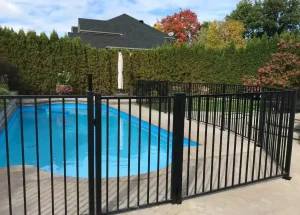
Anti-Climb Security Fence Panel Geometry Sets the Real Barrier
The first thing I check in a bulk quote is not the panel photo; it is the physical geometry that determines whether a person can climb it. Anti-climb panel geometry has three load-bearing decisions: mesh aperture, wire or infill thickness, and panel height. If any of these is left as a generic value, the fence may look secure while being easy to defeat with a boot toe or a bolt cutter. A 358-style welded security mesh panel uses a 12.7 mm by 76.2 mm aperture with a 4 mm wire body. That small vertical opening denies finger and toe holds, and its narrow long slot makes hand-tool cutting slower than on standard chain link or open welded mesh. Zinc steel 3D V-profile panels offer a similar logic when the mesh is tight, the vertical ribs are deep enough, and the panel is secured at the top and bottom rails. In bulk quantities, the cost difference between a loose mesh and a true security aperture is real, but it is the entire reason for choosing anti-climb over general perimeter mesh.
| Panel Form | Aperture or Geometry | Climb Resistance | Bulk Order Checkpoint |
|---|---|---|---|
| 358 welded security mesh | 12.7 x 76.2 mm, 4 mm wire | Denies finger and toe holds; slows cutting | Confirm aperture tolerance and wire diameter on drawing |
| 3D V-profile security fence | Tight vertical slots, deep ribs | Passive anti-climb profile | Verify rib depth and post rail compatibility |
| Welded pale infill panel | Pale spacing under 100 mm | Reduces foot purchase | Specify pale thickness and top treatment |
| Aluminum anti-climb screen panel | Close-set slats or perforated infill | Visual deterrent and lower climb surface | Check alloy, fixing method, and finish |
Why Mesh Aperture Matters in a Bulk Security Panel Quote
Suppliers often quote a panel by height and finish, but the aperture is where climbing resistance is won or lost. Apertures larger than 50 mm open the panel to finger and toe purchase, and once a climber has a stable hold, the rest of the barrier is irrelevant. For a project with any forced-entry concern, I require the aperture to be stated in the line item, not hidden in a product model number. The buyer should also check tolerance. A 12.7 mm aperture that drifts by a few millimeters in production changes the bite range and can leave tool access points at panel joints. On bulk orders, a simple tolerance table added to the drawing is more useful than another brand claim.
Why Panel Height Cannot Be Traded for Thicker Wire
A 2 m panel with a thick wire still gives a determined climber a lower top edge, and a 3 m panel with an open mesh is still climbable. Security comes from combining height with aperture and structural stiffness, not from choosing one upgrade in isolation. I usually set 2.4 m as the practical minimum for anti-climb perimeter use, and 3 m for critical infrastructure or sites with known climbing risk. Beyond height, top design matters. Panels with flat tops are easier to surmount than panels with inclined or extended anti-climb toppings, but those toppings must transfer load into the post rather than just sit on the panel edge.
Anti-Climb Security Fence Panel Coatings Decide Long-Term Performance
The second failure point in bulk anti-climb fencing is the coating, because corrosion reduces wire diameter and panel thickness over time. I specify hot-dip galvanizing to ISO 1461 or ASTM A123 as the base layer for steel security panels. The zinc coat covers internal and external surfaces, including welds where possible, and it is measured by thickness rather than appearance. For exposed or coastal sites, a polyester powder coat over the galvanized layer creates a duplex system that gives the steel both cathodic protection and UV resistance. Powder coating applied directly over untreated steel is not acceptable in a bulk security order; the coating may pass a visual check but will fail first at cut edges and fasteners. On aluminum panels, specify a pretreatment system and a powder coat or fluoropolymer finish selected for exterior architectural use, with color and gloss range specified before production. In every case, ask for the coating certification and the batch reference, not a verbal guarantee.
Galvanizing and Powder Coating in Sequence
When the two coatings are specified as a system, the galvanized layer prevents underfilm corrosion and the powder layer protects the zinc from early atmospheric wear. The specification should name both layers with minimum thickness. For example, a heavy security steel mesh may call for a minimum average zinc coating of 55 to 85 micrometers depending on steel thickness, followed by a powder coat of 60 to 80 micrometers. Those numbers need to appear in the quotation or drawing. A supplier that only writes hot-dip galvanized and powder coated with no numeric minimum is not giving the buyer enough to compare.
Cut Edge Treatment to Check Before Shipment
The point where corrosion starts first is usually not the face of the panel; it is a cut edge, a drilled hole, or a weld zone. Bulk production creates thousands of these points. I ask whether cut ends are dressed and zinc treated before powder coating, and whether the same requirement applies to punched holes. If the answer is no, the coating certificate may cover test coupons rather than the delivered geometry. For security panels, this matters because edge corrosion is also a cutting weakness over time. A panel that rusts at the rail connection is no longer carrying the same tensile strength it had on day one.
If your bulk order includes a coastal site or a perimeter with a known cutting risk, confirm the coating system and the security mesh aperture as one package before finalizing your bill of materials. Send the panel height, mesh aperture, wire diameter, and required quantity to yloongfence@gmail.com or call +8619072006155, and we will review the specification against the site conditions before you order.
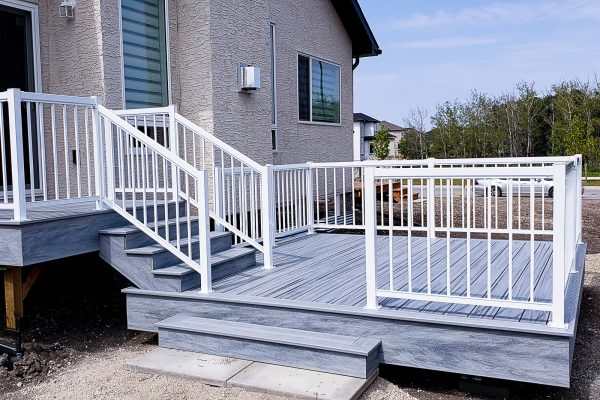
Post, Rail, and Fastener Engineering Holds the Height
The panel may pass every tensile and coating check, but the system still fails if a post bends at the base or a rail connection can be pulled from the outside. For bulk anti-climb security fence panel orders, I read the post schedule before the panel schedule. The post carries the panel’s wind load, the climber’s leverage, and the uneven ground reaction from the footing. A tall panel on a light post section creates an upper lever arm that a single person can work against. Post spacing should account for the widest panel module and the site’s wind exposure, not just a standard two-meter division. The rail should be sized to hold panel modules without slumping between posts, and all fasteners should be tamper-resistant. On a security fence, a smooth hex head is a problem; a shear nut or a one-way fixing is the minimum I would accept where the line is accessible to the public.
Why Post Embedment Is a Separate Line Item
The embedment depth and footing design often get abbreviated as post installation in a bulk offer. For a 2.4 m or 3 m anti-climb panel, the buried post is a structural member, not a simple holder. I ask for the post section dimension, wall thickness, embedment depth, and concrete or grout specification in the quotation. In projects I have supported, field failures on security lines usually show up at the foundation, where a shorter embedment or an undersized concrete plug let wind or climbing loads rotate the post. That failure is visible only after the panel line is deformed. Once the order is shipped, correcting it costs more than the post material saved.
Assembly Details to Lock Before Bulk Release
Panel-to-post connection is another place where standards get loose in volume buying. I prefer fixing details that keep the panel on the secure side of the post and do not leave exposed slots that give a pry bar a purchase against the panel edge. If a panel can be lifted out under its own top weight, it is not an anti-climb system. In bulk orders, ask for an assembly drawing that shows the fasteners, their direction, and any anti-lift detail at the bottom rail. Also confirm that gate leaves use the same post engineering; a strong fence loses its value if the gate posts are underbuilt.
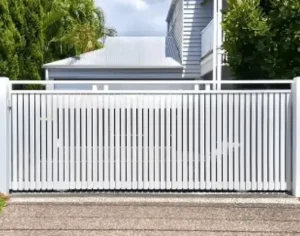
Bulk Orders Need Threat-Specific Documentation Before Production
A bulk quote is not a security specification. The first question I ask a buyer is what threat level the fence has to delay: casual climbing, tool-assisted cutting, or a documented intrusion risk. That answer drives mesh aperture, wire diameter, panel height, post section, and coatings. It should also drive the documents attached to the purchase order. For every anti-climb panel line, I expect a dimensioned panel drawing, a bill of materials that separates posts, rails, panels, fasteners, and toppings, a galvanizing and powder coating certificate with thickness values, and a packing plan that protects the panel edges and coating during sea transit. A quotation that does not include these can still be a good price, but it is not yet a bulk order specification.
Too many bulk security orders stall because the fence specification arrives as a few model numbers and a color choice. We work directly with aluminum and zinc steel fencing production, so the panel geometry, coating thickness, and post schedule can be fixed before the factory releases the production order. Send your panel height, mesh aperture, wire diameter, site conditions, and target quantity to yloongfence@gmail.com or call +8619072006155, and we will return a specification review with the coating and structural details spelled out for the order.
Common Questions About Anti-Climb Security Fence Panel Orders
Do anti-climb fence panels need razor wire or electric topping?
For most commercial and industrial freestanding perimeters, a 2.4 m panel with small mesh or close-set pales is enough as passive deterrence. Razor wire and electric fencing add active deterrence but create liability, maintenance, and acceptance problems. I spec toppings only when the site has a documented forced-entry or climbing history, and then mount them on extended posts rather than panel edges so they do not weaken the top rail. For school perimeters or public-facing facilities, passive anti-climb geometry and height are usually the safer choice.
How do I know whether a mesh is actually anti-climb?
Many buyers assume that any tall welded mesh panel is anti-climb. That assumption fails at the aperture. A standard 50 mm opening gives a toe hold, while a security mesh with a small aperture and heavier wire denies it. In bulk orders, the aperture and wire diameter should appear on the drawing, not the brochure. A 358-style mesh uses a 12.7 mm by 76.2 mm opening with a 4 mm wire body, but the buyer still needs to confirm the actual tolerance because production can drift. If the supplier cannot state the aperture, treat the panel as general perimeter mesh.
What is the minimum height for a perimeter using anti-climb fence panels?
It depends on the site’s threat level and the standard the project must follow. For casual trespassing and basic commercial separation, a 2 m to 2.4 m panel with tight mesh can act as a strong deterrent. For higher-security perimeters, 2.4 m to 3 m is more common, and the height should be paired with small apertures and an engineered post schedule rather than added on its own. A 2 m decorative panel is not an anti-climb panel just because it has spear tops. Height buys time only when the mesh and foundation hold the climber long enough for the intervention plan.
How do I compare bulk anti-climb fence quotes without samples?
In the export projects I have supported, the fastest comparison starts with three documents: a dimensioned panel drawing, a coating certificate with numeric thickness, and a mill certificate or material test report for the steel or aluminum. Two quotes can look alike in photos and differ completely in wire diameter and post wall thickness once the drawings arrive. If the supplier will not release those documents before a deposit, I would pause the order. Share your site drawings, panel height, aperture, wire diameter, and quantity, and we will confirm the anti-climb panel configuration that matches the requirement before pricing. Reach me at yloongfence@gmail.com or +8619072006155.
If you’re interested, check out these related articles:
Stainless Steel Vertical Cable Railing: Design, Specs, & Factory Pricing Guide
Aluminum Gate Hardware: Hinges, Latches, and Lasting Security
Aluminum vs Vinyl Fence: Maximizing Longevity and Value
Steel Fence Quality Control: Essential Pre-Shipment Checks