
Industrial perimeters fail in predictable ways. The fence looks solid until someone tests it with a pair of bolt cutters or finds that the mesh spacing gives them just enough grip to climb. After years of working with facilities that learned this the hard way, the pattern becomes clear: most security breaches exploit the same handful of design weaknesses that could have been addressed from the start.
Why Industrial Perimeter Security Keeps Failing
Effective perimeter security is the first line of defense for industrial sites, yet it remains one of the most underestimated aspects of facility protection. Critical infrastructure protection demands more than a visual deterrent. It requires physical barriers engineered to resist unauthorized access and forced entry attempts.
The financial impact of security breaches extends far beyond stolen assets. Operational downtime, insurance complications, regulatory scrutiny, and reputational damage compound quickly. A thorough risk assessment reveals that threat levels shift constantly. What worked five years ago may leave gaps today as intrusion methods evolve.
The vulnerabilities tend to cluster around the same issues: insufficient height, weak material strength, and mesh designs that practically invite climbing. Intruders exploit these weaknesses through predictable methods. They climb, they cut, or they find the section where maintenance fell behind.
Where Industrial Perimeters Break Down
Site security challenges vary by location, but certain patterns repeat across facilities. Older fencing often lacks the height or material strength to resist determined intrusion attempts. Mesh openings sized for cost efficiency rather than security give climbers the handholds they need.
Understanding how security breaches actually occur allows for targeted countermeasures rather than generic solutions. A proper vulnerability assessment identifies specific weak points. Asset protection improves when defenses address real threats rather than theoretical ones.
| Common Industrial Security Threats | Fence Countermeasures |
|---|---|
| Climbing over barriers | Anti-climb features, increased height |
| Cutting through mesh | Anti-cut mesh, high-tensile wire |
| Vehicle ramming | Reinforced posts, crash-rated barriers |
| Covert infiltration | Integrated detection systems, narrow apertures |
| Vandalism and sabotage | Durable coatings, robust material construction |
How Anti-Climb and Anti-Cut Technologies Actually Work
The effectiveness of industrial steel security fences comes down to engineering decisions made at the design stage. Anti-intruder fences incorporate specific material compositions, including zinc steel alloys, that deliver measurable protective capabilities rather than just visual deterrence.
Automated production lines and advanced surface treatment technology ensure consistency across large installations. These manufacturing processes directly affect corrosion resistance, durability, and long service life. Welded mesh panels with narrow apertures form the foundation of both climbing and cutting resistance.
Climb-resistant design works by eliminating leverage points. Closely spaced vertical wires and outward-angled tops deny handholds and footholds. Without purchase, scaling attempts stall. Cut-resistant mesh takes a different approach, using high-tensile steel wire in weave patterns that resist common cutting tools. The wire gauge and mesh configuration determine how long the fence holds against sustained cutting attempts.
Galvanization applies a zinc layer that bonds with the steel surface, creating a barrier against moisture penetration. Powder coating adds a polymer layer on top. This combination resists environmental degradation far longer than single-layer treatments.
Anti-Climb Versus Anti-Cut: Different Problems, Different Solutions
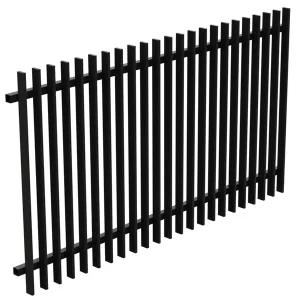
Anti-climb features address scaling attempts through physical design. The climb-resistant design uses small mesh openings, sometimes called finger-proof mesh, that deny the hand and footholds climbers need. The spacing matters more than most facility managers realize. Even a few millimeters of additional opening can provide enough grip for a determined intruder.
Anti-cut features focus on material resistance. High-strength wire gauge and specific security mesh configurations make cutting slow and difficult. Standard bolt cutters struggle against properly specified anti-cut barriers. The time required to breach the fence often determines whether an intrusion succeeds or fails.
Both features contribute to an effective anti-intruder barrier, but they solve different problems. A fence optimized only for climbing resistance may still be vulnerable to cutting, and vice versa.
Matching Fence Specifications to Actual Site Needs
Choosing industrial security solutions requires more than picking the highest-rated option. The goal is aligning fence capabilities with specific site conditions, threat profiles, and operational requirements. Perimeter protection systems that exceed actual needs waste budget. Systems that fall short create liability.
Risk assessment outcomes should drive specification decisions. Environmental conditions matter too. Coastal facilities face different corrosion challenges than inland sites. Integration with existing security infrastructure affects both cost and effectiveness.
Security standards and regulatory compliance requirements vary by industry and jurisdiction. Installation considerations and cost-effectiveness analysis round out the evaluation. A fence that meets specifications but cannot be properly installed at a given site provides no protection at all.
Matching Security Levels to Application Types
High-security fencing requirements vary dramatically across applications. Data centers and power plants demand maximum forced entry resistance and anti-cut barriers. The consequences of breach justify higher investment.
Commercial properties and government facilities often need to balance security with aesthetic integration. A fence that looks like a prison wall may not suit a corporate campus, even if it provides superior protection. Correctional facilities prioritize extreme anti-climb and anti-cut properties with less concern for appearance.
Evaluating specific threat levels and integrating access control systems creates a comprehensive security posture. Site-specific requirements should drive every specification decision.
Why Material Quality Determines Long-Term Performance
Zinc steel fencing systems from established manufacturers offer durability and long service life that cheaper alternatives cannot match. The difference becomes apparent over time as lower-quality fences degrade while properly manufactured systems maintain their protective capabilities.
Advanced automated production lines ensure precision and consistency in every component. This matters because security fencing is only as strong as its weakest point. A single substandard weld or inconsistent coating can create a vulnerability.
Advanced surface treatment technology combines hot-dip galvanization with electrostatic powder coating. This multi-layer protection provides corrosion resistance and weather durability suitable for diverse climates and industrial settings. The smooth, hard finish also contributes to self-cleaning performance, reducing maintenance requirements over the fence’s operational life.
Quality manufacturing and environmental protection building materials consistently meet performance criteria that budget alternatives cannot achieve.
How Steel Fences Survive Harsh Environments
Weather resistance in industrial steel fences depends on surface treatment quality. Galvanization applies a protective zinc layer that shields steel from moisture and prevents rust formation. The zinc actually sacrifices itself to protect the underlying steel, a process called galvanic protection.
Powder coating adds a durable polymer layer that resists UV exposure, chipping, and fading. This dual-layer system maintains integrity against extreme conditions including heavy rain, snow, and intense sunlight.
The combination of robust material science and protective coatings results in minimal maintenance requirements and extended lifespan. Facilities that invest in properly treated fencing avoid the recurring costs of repair and replacement that plague cheaper installations.
Building Layered Security Beyond the Fence Line
Perimeter security effectiveness extends beyond the physical fence. A holistic approach requires security systems integration that connects multiple defensive layers.
Industrial security solutions work best when designed to integrate with access control systems, security gates, and perimeter intrusion detection systems. This layered defense strategy provides early warning and rapid response capabilities that a standalone fence cannot offer.
Fencing systems must adhere to relevant regulatory compliance and industry standards. Security protocols for various industrial sectors impose specific requirements that affect both design and installation.
Which Standards Matter for Industrial Fencing
Industrial fencing must meet various security standards to ensure performance and regulatory compliance. ISO standards address quality management and environmental performance at the manufacturing level.
ASTM standards define specific performance criteria for high-security fencing. ASTM F2781, for example, establishes forced entry resistance testing protocols. Government regulations and security certifications from bodies like the National Institute of Justice provide guidelines for security ratings and operational effectiveness.
Professional buyers and project specifiers need to verify that proposed fencing systems meet applicable standards before procurement. Compliance documentation should be part of any serious evaluation process.
Frequently Asked Questions About Industrial Security Fencing
What is the typical lifespan of an industrial anti-climb steel fence?
Industrial anti-climb steel fences with advanced galvanization and powder coating typically deliver 20 to 30 years of service life. This assumes proper installation and basic maintenance. The dual-layer surface treatment resists corrosion and weather degradation far longer than single-treatment alternatives. This extended lifespan makes quality fencing a cost-effective investment for perimeter protection despite higher initial costs.
Can industrial steel security fences be customized for specific site requirements?
Customization is standard practice for serious industrial security solutions. This includes varying heights, panel designs, gate integration, and specific anti-climb features and anti-cut barriers tailored to site-specific security threats. Municipal projects, industrial parks, and commercial developments each present different requirements. Aesthetic considerations also factor into customization decisions for facilities where appearance matters.
How do anti-cut features in industrial fences deter intruders?
Anti-cut features work by making breach attempts slow and difficult. High-tensile steel wire, small mesh apertures, and specific wire configurations prevent standard cutting tools from gaining purchase or effectively severing the material. The time required to cut through a properly specified fence often exceeds what intruders are willing to risk. This delay creates opportunity for detection and response, enhancing overall asset protection.
Strengthen Your Facility’s Perimeter Security
For industrial security fencing solutions that deliver proven anti-climb fences and anti-cut barriers protection, Hubei Yulong Building Materials Co., Ltd. brings advanced manufacturing expertise and commitment to durable, high-performance fencing. Contact our specialists for a tailored consultation on how our systems can enhance your perimeter protection strategy. Reach us at +8619086315193 or sales01@yulongkeji-ch.com.
If you’re interested, check out these related articles:
YLOONG Solutions: Engineered for Security, Designed for Performance