
WPC fence vs PVC fence vs aluminum fencing comparisons often reduce the decision to a quick cost calculation, missing the manufacturing details that determine how a fence holds up after years of sun, rain, and temperature swings. The material itself is only part of the story. Extrusion quality, coating technology, and composite formulations drive real-world performance. Our work producing both aluminum fencing systems and WPC panels shows that aluminum delivers unmatched strength and corrosion resistance, while modern WPC offers an attractive, low-maintenance alternative with strong environmental credentials. PVC fills a budget-driven niche, but its long-term durability depends heavily on climate and installation care.
How WPC, PVC, and Aluminum Fences Are Manufactured
WPC Composition and Extrusion
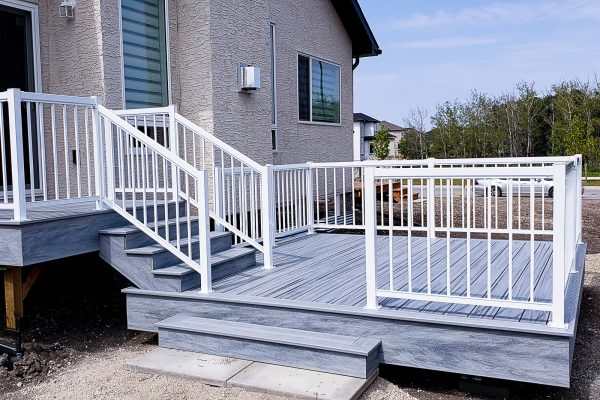
Wood-plastic composite (WPC) is an extruded material blending recycled wood fibers with thermoplastics such as polyethylene or polypropylene. UV stabilizers and color pigments are mixed into the compound to prevent fading. The extrusion process shapes continuous profiles that mimic wood grain or smooth surfaces. Because WPC contains natural fibers, its mechanical properties balance plastic flexibility and wood stiffness. Without proper formulation, thermal expansion can cause buckling if panels are not installed with adequate expansion gaps. Zero-formaldehyde WPC formulations are available, contributing to better indoor and outdoor air quality.
PVC Formulation and Profile Extrusion
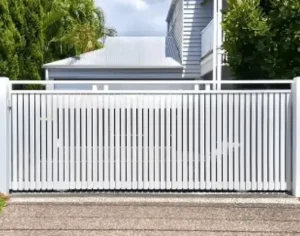
PVC fencing begins as a vinyl powder combined with plasticizers, impact modifiers, and UV inhibitors. The compound is heated and forced through dies to form hollow profiles or solid rails. Because PVC is inherently less rigid than metal or composite, manufacturers often include internal webbing or metal stiffeners. The primary advantage is minimal maintenance: PVC never needs painting, and surface dirt washes off with soap and water. However, the same chemical simplicity that makes it maintenance-free also limits its structural capacity. PVC fences in heavy wind zones may require closer post spacing to prevent panel deflection.
Aluminum Extrusion and Powder Coating
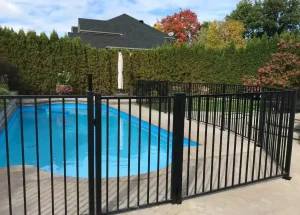
Aluminum alloy, typically 6063-T5 or T6, is heated and pushed through a custom die to create rails, posts, and pickets. After extrusion, profiles go through multi-step surface preparation: degreasing, chemical conversion coating to improve adhesion, and then electrostatic powder application with thermosetting polyester or super-durable polyester powders. Curing at controlled temperatures cross-links the coating into a thick, even film that resists chipping, fading, and salt spray. At Hubei Yulong, our powder coating lines run automated pre-treatment and curing cycles that we monitor for film thickness and adhesion per ASTM benchmarks. The result is an aluminum fence that maintains its appearance and structural performance for decades, even in coastal or industrial environments.
Comparing Durability, Weather Resistance, and Maintenance
| Property | WPC Fence | PVC Fence | Aluminum Fence |
|---|---|---|---|
| Corrosion/Rot | High resistance; no rot. Moisture may affect wood fiber if coating damaged. | No rot. Chemical inertness prevents fungal growth. | Natural oxide layer plus powder coating prevents corrosion; marine-grade coating for salt air. |
| UV/Fading | UV stabilizers delay fading; may lighten over 5-8 years. | UV inhibitors slow color shift; dark colors may show fading sooner. | Powder coating holds color 15+ years; minor gloss reduction over extreme UV exposure. |
| Temperature Extremes | Moderate thermal expansion; cracking in freeze-thaw if water enters matrix. | Becomes brittle below freezing; impact damage possible. | Stable; negligible expansion. |
| Wind Load | Flexible; may require aluminum stiffeners for high wind. | Can deform under sustained wind; post spacing critical. | Rigid; high wind resistance due to structural strength. |
| Maintenance | Occasional cleaning; surface scratches may expose fibers. | Soap and water; no repainting needed. | Minimal; dirt rinses off. No repainting. |
The differences in how each material handles real-world conditions become clear when we look at long-term performance. Aluminum fences in coastal installations survive decades with a marine-grade powder coating, while PVC in the same environment can yellow and grow brittle within ten years. WPC sits in between, resistant to rot and insects but potentially absorbing moisture if the surface is scratched or cut, which can lead to swelling or fungal attack if not repaired. On the maintenance front, aluminum requires nothing more than occasional rinsing. WPC may need a light cleaning to remove organic debris from textured surfaces. PVC stays clean easily but cannot be refinished if discolored.
The Full Cost Picture: Upfront Price, Lifespan, and Hidden Costs
| Cost Factor | WPC Fence | PVC Fence | Aluminum Fence |
|---|---|---|---|
| Material Cost (per linear ft) | Mid-range ($20-35) | Lowest ($15-25) | Highest ($30-50) |
| Installation Complexity | Moderate; similar to wood | Simple; lightweight | Moderate; standard post & bracket systems |
| Lifespan | 20-25 years | 15-20 years | 30+ years |
| Maintenance Cost Over 30 Years | Low (cleaning, minor repairs) | Low (cleaning, possible replacement) | Negligible |
| Lifecycle Value | Good for eco-minded projects | Adequate for short-term budgets | Best overall value due to longevity |
These figures highlight a critical distinction: the cheapest upfront material often becomes the most expensive over a 20- or 30-year project horizon. A PVC fence replaced once mid-cycle costs nearly the same in total as an aluminum fence installed once, and the replacement labor, disposal, and business disruption can double the effective cost. WPC offers a middle path, with a lifespan that exceeds PVC and a look that many property managers prefer. When assessing total lifecycle value, aluminum’s 30-plus-year durability and near-zero upkeep make it the most cost-effective choice for permanent installations.
For projects in harsh climates or with specific structural requirements, it pays to confirm material suitability and anchoring methods before finalizing your bill of materials. Reach out at sales01@yulongkeji-ch.com for a technical consultation tailored to your site conditions.
Which Fence Material Fits Your Project?
If you are building a coastal property where salt spray and humidity are constant, aluminum with marine-grade coating is the safest bet. For a suburban garden where appearance and sustainability matter, WPC offers a warm wood look with lower environmental impact. A large commercial perimeter on a strict initial budget may justify PVC, but only in mild climates and where the fence is not structural. In high-security applications, aluminum’s strength and ability to integrate with gates and access control systems make it the only practical choice. We advise our clients to consider the total cost of ownership over the fence’s intended service life. A slightly higher upfront investment in aluminum can eliminate the cost and hassle of replacement two decades later.
Common Questions About WPC, PVC, and Aluminum Fencing
Is WPC fencing really eco-friendly?
Yes, when sourced from manufacturers using recycled wood fibers and post-consumer plastic. Many WPC products contain up to 60% recycled content, reducing demand for virgin timber and utilizing plastic waste. Zero-formaldehyde formulas also mean no harmful off-gassing. However, not all WPC is equal; verify that the supplier uses UV-stabilized, non-toxic materials. If your project has strict green building requirements, request material composition data from the manufacturer.
Do PVC fences really last 20 years?
In ideal conditions, high-quality PVC fences can last 15 to 20 years. In practice, UV exposure gradually degrades the polymer, causing embrittlement, and in cold regions, impacts from lawn equipment or falling branches can shatter rails. Most PVC fences show noticeable discoloration or warping before reaching the 20-year mark, especially darker colors. For long-term appearance retention, WPC and aluminum are more predictable investments.
Will an aluminum fence rust?
Aluminum does not rust like iron or steel. It forms a thin, protective oxide layer that naturally resists corrosion. Powder coating adds a second barrier. However, in harsh marine environments, salt can aggressively attack the surface if the coating is substandard. Specifying a coating compliant with AAMA 2604 or 2605 standards is essential for coastal applications. In inland areas, standard powder coating delivers decades of rust-free performance with no repainting needed.
Can I install these fences myself?
PVC kits are the most DIY-friendly because they are lightweight and often use snap-together fittings. WPC panels come in pre-assembled sections that can be installed with basic tools, though straight lines demand accurate post setting. Aluminum fence systems require more precise post anchoring due to weight and rigidity; while skilled homeowners can manage, professional installation ensures correct spacing and alignment, especially for gates. For commercial projects, professional installation is mandatory to meet code and warranty requirements. Share your project requirements with us and we will confirm which system fits your installation capabilities.
Find the Right Fencing System for Your Project
Choosing between WPC, PVC, and aluminum fencing comes down to a realistic assessment of your project’s climate, structural demands, and lifespan requirements. Aluminum fences deliver the highest strength and the longest low-maintenance service life, making them the preferred choice for projects where performance cannot be compromised. WPC offers an environmentally conscious alternative with pleasing aesthetics and solid durability at a moderate cost. PVC serves a purpose for tightly budgeted, low-risk environments but should be approached with a clear understanding of its limitations.
We work with distributors, developers, and contractors to select and source the optimal fencing system. To discuss your material requirements, receive a quotation, or arrange a sample, email sales01@yulongkeji-ch.com or call +8619086315193.
If you’re interested, check out these related articles:
Aluminum Gate Hardware: Hinges, Latches, and Lasting Security
Hot-Dip Galvanized vs Powder-Coated Fence: Performance & Value