
Wholesale pet playpen fence buyers often fixate on getting the lowest unit price, but a pen that arrives with sharp edges, flaking coating, or collapsed joints will cost far more in returns and brand damage. Sourcing metal pet playpens demands a broader lens—material thickness, finish durability, and factory quality controls determine whether the product is safe for animals and profitable for resale. After a decade of engineering fencing systems, I’ve learned that no two factories deliver the same level of edge finishing or coating integrity, even when their spec sheets look identical. This article breaks down what to look for in design, how to verify manufacturer claims, and how to navigate MOQs and logistics so your first bulk order meets market expectations without hidden surprises.
Choosing the Right Material and Design for Wholesale Pet Playpens
When selecting pet playpen fences for resale, the material choice—aluminum versus galvanized steel—sets the baseline for durability, weight, and market positioning. Aluminum is lighter and naturally corrosion-resistant without needing a coating for rust prevention, which appeals to indoor and small-pet markets. However, I’ve found that for medium to large dog breeds, aluminum panels must be at least 1.5 mm thick to withstand lateral pressure and prevent bending when a 30 kg dog pushes against the bars. Galvanized steel, with its zinc layer, offers higher strength at a lower gauge but demands careful edge welding to avoid sharp burrs that become safety hazards. Both materials benefit from a high-quality powder coating, typically a TGIC polyester finish baked at 200°C, which seals the surface and meets EU and US requirements for pet contact safety.
Aluminum vs. Galvanized Steel: Which Lasts Longer Outdoors?
Outdoor exposure changes the performance equation. In my experience supporting coastal resort projects, aluminum with a properly applied powder coat lasts decades with minimal maintenance, while galvanized steel, if the zinc layer is thinner than 80 µm, can show red rust at weld points within two years in humid environments. The following table summarizes key differences:
| Property | Aluminum (6063-T5) | Galvanized Steel (DX51D+Z) |
|---|---|---|
| Weight | 2.7 g/cm³ | 7.8 g/cm³ |
| Corrosion resistance | Excellent, even uncoated | Good only with ≥80 µm zinc |
| Typical panel thickness for large dogs | 1.5–2.0 mm | 0.8–1.2 mm |
| Powder coat adhesion | Strong, but requires chromate pretreatment | Stronger with zinc-phosphate pretreatment |
| Cost per unit (approximate) | Higher material cost, lower shipping weight | Lower material cost, higher shipping weight |
How Panel Connectors and Folding Designs Impact Long-Term Use
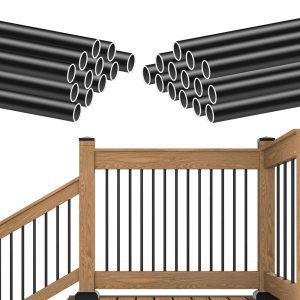
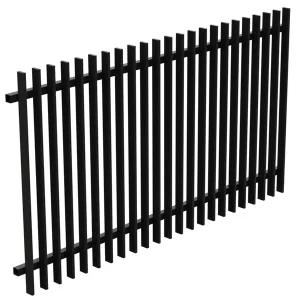
The design of corner connectors and folding mechanisms is where I see the most variation among factories. Cheap pet playpens use thin stamped steel brackets with a single rivet, which work loose after repeated setup and folding. A durable panel uses double-riveted aluminum corner brackets or welded steel joints, and the ground stakes should be integrated into the frame, not added as separate wire clips. These details matter because a collapsing playpen poses both an animal escape risk and a physical injury risk, leading to negative reviews that erode buyer confidence.
How to Verify a Factory’s Quality and Safety Standards
Sourcing a pet playpen fence without visiting the factory means you rely on test reports, sample videos, and certification documents. I’ve reviewed dozens of supplier submissions, and the ones that stand out consistently supply these three items: a salt spray test report per ASTM B117 showing at least 500 hours of coating resistance, a third-party lab test for heavy metal content in the powder coating (to ensure it’s safe if pets chew the bars), and a structural load test demonstrating that a standard 1200 mm wide panel can withstand a lateral push of 150 N without permanent deformation. If a factory cannot produce all three, the price advantage does not compensate for the downstream liability.
What Certifications and Tests Should a Factory Provide?
Ask for SGS, CE, or Intertek reports covering coating thickness (measured in microns across at least 20 points per batch), weld integrity, and edge smoothness. An edge radius of less than 0.5 mm is insufficient for a pet product; I consider 1.0 mm the minimum safe radius. Our own pet playpen fence panels undergo this testing and we document each batch’s results for buyer review. Additionally, the factory should adhere to ISO 9001 for process consistency, though this alone does not guarantee product quality—it’s the specific test data that matters.
If your market requires specific certifications like SGS or ASTM, or you’re unsure which coating spec is right for your climate, it’s worth confirming with a factory engineer before finalizing your specifications. Reach out at sales01@yulongkeji-ch.com to discuss your requirements directly.
Spotting Red Flags in Supplier Communication
When evaluating quotes, watch for phrases like “it will be fine” without data backing, or offers to reduce cost by using a thinner coating. I have encountered cases where factories substituted a zinc coating of 40 µm instead of the contracted 80 µm to meet a price target, only for the corrosion to appear after six months in storage. Requesting pre-shipment sample pictures showing the coating thickness gauge reading directly on the panel is a straightforward safeguard that any reliable manufacturer will accept without hesitation.
How MOQ, Pricing, and Lead Time Affect Your Wholesale Pet Playpen Order
Minimum order quantity is often the first hurdle for small to midsize distributors. A standard MOQ of 50 to 100 units per design is typical because setting up the powder coating line and preparing custom packaging incur fixed costs. If you need only 20 units, the per-unit price can jump by 20–30% compared to a 200-unit order, as the setup cost amortization works against you. I recommend asking for a tiered pricing table that explicitly shows the unit price at MOQ 50, 100, 200, and 500 so you can model your landed cost before making a commitment.
| Order Quantity | Typical Unit Price Range (USD, FOB) | Lead Time |
|---|---|---|
| 50–100 | $18–$25 per panel | 25–30 days |
| 200–300 | $15–$20 per panel | 30–35 days |
| 500+ | $12–$17 per panel | 35–45 days |
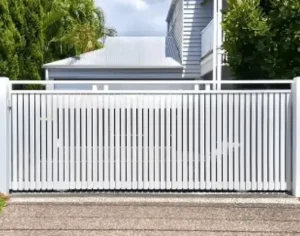
Lead times extend when custom colors or non-standard dimensions enter the mix. A standard white or black powder-coated playpen with common sizes can be produced in 25 days, but a custom RAL color with a specific panel size may require an additional 7–10 days for powder procurement and line changeover. Communicating your forecast three to four months ahead allows the factory to reserve production slots and smooth out the scheduling.
Ordering and Importing Pet Playpen Fences: A Practical Step-by-Step Guide
- Confirm specifications in writing: Detail panel dimensions, bar spacing (typically 50–75 mm for dog safety), post diameter, coating type and thickness, gate inclusion, and packaging requirements. A technical drawing with tolerance notes avoids misunderstandings during production.
- Arrange a pre-production sample: For first orders, a single sample panel with the exact coating, color, and construction allows you to verify quality and test fit before full production. This sample fee is often credited against the bulk order.
- Choose the right incoterm: FOB (Free on Board) places responsibility on the supplier until the goods are loaded on the vessel, which is the most manageable term for first-time importers. CIF includes shipping insurance, but I generally prefer FOB and arranging my own freight forwarder for cost transparency.
- Order a container loading plan: Request photos of the loading process and a pallet packing list. Without this, you risk receiving loose panels that rub against each other during transit, causing coating scratches. A good factory uses edge protectors and secures each layer with straps.
- Inspect before shipment: Consider hiring a third-party inspection firm (like SGS or Bureau Veritas) to check 10–15% of the order for weld quality, coating thickness, and dimensional accuracy. The cost—around $300–400 per day—is small compared to the cost of receiving a damaged container.
If you’re preparing to source a pet playpen fence line and want to confirm coating standards, safe dimensions, and realistic pricing for your market, our engineering team can review your requirements directly. Send your target quantities, preferred panel sizes, and any certification needs to sales01@yulongkeji-ch.com or call +8619086315193 for a transparent, factory-direct proposal.
Common Questions About Sourcing Wholesale Pet Playpen Fences
What is the typical warranty on a wholesale pet playpen fence order?
Most reputable manufacturers offer a five-year structural warranty against rust-through on galvanized steel and a ten-year warranty on aluminum frame integrity, provided the playpens are used as intended and not subjected to heavy impacts. The warranty usually does not cover normal wear on the powder coat or damage from improper assembly. I advise requesting a written warranty statement before payment, clearly listing exclusions, because verbal promises often vanish after the shipment arrives.
Can I get a custom color or size for my pet playpen order?
Customization is widely available, but it almost always increases both the MOQ and the lead time. A non-standard panel height or width requires new tooling setup on the cutting and bending machines, so expect a minimum of 100–200 units per custom size. For colors, any RAL code can be matched if the factory stocks the pigment; however, a unique color order may require purchasing a full batch of powder, affecting the total cost. Sharing your design goal early allows the engineering team to find the most efficient path.
How do I know the playpen is safe for pets and children?
Safety is verified through independent testing, not factory claims. The coating should pass EN 71-3 (migration of certain elements) or equivalent US ASTM F963 heavy metal tests to ensure the finish is non-toxic if chewed. The bar spacing must not exceed 75 mm to prevent a small dog’s head from getting stuck, and all edges must be rounded to at least 1 mm radius. If your market requires specific child-safety latches on gates, include that in the specification sheet from the start.
What if the product arrives damaged or defective?
A clear after-sales agreement, specifying replacement or credit for defects found within 30 days of delivery, protects your investment. Most factories require photographic evidence and a detailed claim report. The best practice is to open a few panels from each pallet immediately upon receipt and document any issues with time-stamped photos. A supplier with a solid quality process will usually ship replacement parts in your next order or issue a credit note. For large-scale defects, negotiate a separate container with pre-allocated space. Share your requirements and we’ll help you set up a clear quality verification plan before your order ships.
If you’re interested, check out these related articles:
Custom Chain Link Fence: Gauges, Heights, Gates & Bulk Guide
Powder Coating: Shielding Aluminum Fences from Corrosion
Decorative Aluminum Gate Panels: Modern Home Design Solutions
Ornamental Steel Fence: Design, Quality, & Direct Pricing
Aluminum Fencing: Property Measurement Buyer’s Guide