
Steel versus aluminum fencing is one of those decisions that looks simple on paper but gets complicated once you start weighing real-world tradeoffs. I’ve seen property owners agonize over this choice, and honestly, the right answer depends entirely on what you’re protecting, where you’re located, and how you think about long-term costs. Both materials have legitimate strengths. Steel delivers brute force security that aluminum simply cannot match. Aluminum offers corrosion immunity and design freedom that steel struggles to achieve without significant treatment. The goal here is to break down the engineering differences, cost structures, and performance characteristics so you can match the material to your actual situation rather than defaulting to whatever seems cheaper upfront.
Steel Fencing Delivers Where Security Cannot Be Compromised
Steel fencing systems provide superior strength and impact resistance, which is why they dominate in applications where physical barriers need to actually stop someone. Industrial facilities, commercial properties, and high-security installations rely on steel because the material’s inherent rigidity resists bending and breaking under force. This is not marketing language—it’s basic materials science.
The vulnerability of steel has always been corrosion, but modern zinc steel systems address this through multi-layer protection. Galvanization creates a barrier against oxidation at the molecular level, and when combined with powder coating, the result is a steel fence that maintains structural integrity for decades. The Ornamental Steel Fence designs demonstrate that security and aesthetics are not mutually exclusive. Each component goes through manufacturing processes that meet stringent quality standards, producing enclosures that perform reliably under stress.
| Pros of Steel Fencing | Cons of Steel Fencing |
|---|---|
| Superior Strength & Security | Higher Upfront Material Cost |
| High Impact Resistance | Heavier, More Complex Installation |
| Excellent Property Protection | Potential for Rust (if untreated) |
| Long Lifespan with Treatment | Less Design Flexibility |
| Suitable for Heavy-Duty Use |
Aluminum Fencing Excels in Residential and Coastal Applications
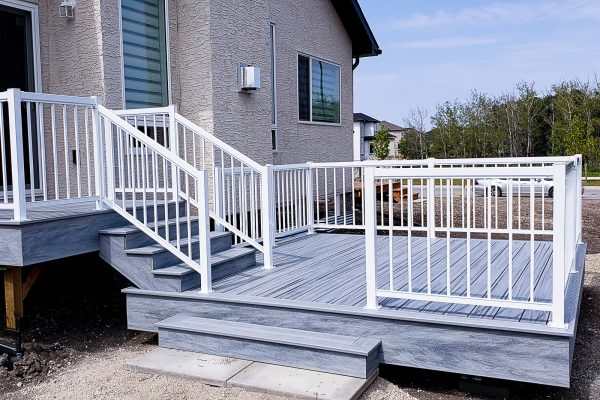
Aluminum fencing combines versatility, lightweight construction, and visual appeal in ways that make it the natural choice for residential fencing, pool enclosures, and decorative applications. The material does not rust. Period. This eliminates the corrosion concerns that plague steel in humid or coastal environments.
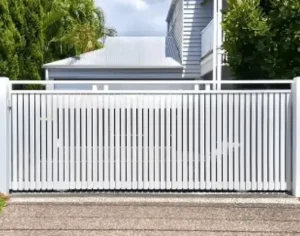
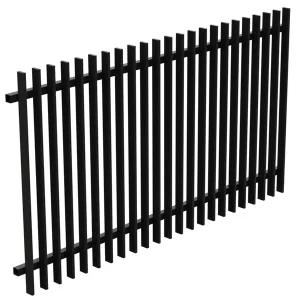
The weight difference matters more than most people realize. Lighter materials mean simpler transportation and faster installation, which translates directly to lower labor costs. Aluminum’s malleability also supports intricate designs that would be difficult or expensive to achieve in steel, from classic picket styles to modern Aluminum Slat Fence or Aluminum Blade Fence Panels. Homeowners gravitate toward aluminum because it delivers durability without demanding constant attention. The Aluminum Balcony Railing and Aluminum Stair Railing System products showcase how this design flexibility extends beyond traditional fencing applications.
| Pros of Aluminum Fencing | Cons of Aluminum Fencing |
|---|---|
| Rust-Proof & Low Maintenance | Lower Impact Resistance than Steel |
| Lightweight & Easy Installation | Higher Cost than Chain Link |
| Excellent Design Flexibility | May Dent More Easily |
| Ideal for Residential & Pool | |
| Enhances Curb Appeal |
Is aluminum fencing as strong as steel for security?
Aluminum fencing provides effective deterrence and clearly defines property boundaries for typical residential security needs. The strength comparison, though, favors steel significantly. Steel offers superior impact resistance and protection against brute force, making it the appropriate choice for high-security applications. Aluminum can be reinforced for added security, but it generally does not match the structural integrity of heavy-gauge steel against determined breach attempts. For commercial security requirements, robust zinc steel options typically make more sense.
Cost Analysis Reveals the True Picture Beyond Initial Price Tags
Evaluating fencing options requires looking at both upfront costs and long-term investment, because the cheapest option at purchase often is not the cheapest option over twenty years. Material cost for steel runs higher than aluminum due to density and manufacturing processes. Installation cost follows a similar pattern—steel’s weight demands more labor and specialized equipment.
Aluminum’s lighter weight often makes it suitable for DIY projects, which can eliminate professional installation costs entirely for capable property owners. But the total cost of ownership extends well beyond initial expenses. Maintenance plays a significant role in long-term value. Steel that lacks proper treatment will incur rust prevention and repair costs throughout its lifespan. Zinc steel with advanced galvanization and powder coating minimizes these ongoing expenses. Aluminum requires minimal upkeep—occasional cleaning handles most situations. A higher initial investment in durable, low-maintenance material frequently yields better returns over decades of service.
| Cost Factor | Steel Fencing | Aluminum Fencing |
|---|---|---|
| Material Cost | Generally higher due to density and strength | Generally lower, but varies with design complexity |
| Installation Cost | Higher; requires more labor, heavier equipment | Lower; lighter material, easier handling |
| Maintenance | Low with proper galvanization/coating; high if untreated | Very low; rust-proof, minimal upkeep |
| Lifespan | Very long (30+ years with proper treatment) | Long (20-30+ years) |
| Total Value | Excellent for security, heavy-duty, long-term durability | Excellent for aesthetics, low maintenance, residential |
Durability Performance Depends Heavily on Surface Treatment Quality
Durability concerns drive most fencing decisions, and rightfully so. Steel, particularly zinc steel, achieves exceptional corrosion resistance and weather durability through advanced surface treatment technology. Multi-layer powder coating combined with galvanization processes ensures long service life even in harsh conditions. These treatments prevent rust formation and maintain structural integrity year after year.
Aluminum approaches durability differently. The material forms a natural oxide layer that protects it from environmental degradation without any treatment at all. This inherent rust prevention makes aluminum particularly attractive in environments where moisture exposure is constant.
Products designed for self-cleaning performance reduce the need for frequent manual maintenance. Automated production lines ensure consistent quality across manufacturing runs, which contributes to extended fence lifespan for both aluminum and steel systems. Regular inspections remain prudent regardless of material choice—catching minor issues early prevents them from becoming expensive repair projects.
What is the typical lifespan of a steel fence versus an aluminum fence?
A well-maintained steel fence, especially galvanized and powder-coated zinc steel, can exceed 30 years of service. Material quality, coating integrity, and local climate all influence actual longevity. Aluminum fences typically deliver 20 to 30 years or more of reliable performance. Their inherent rust-proof nature contributes significantly to this durability. Both materials provide excellent long-term value when properly manufactured and installed. Quality of workmanship and installation technique directly impact service life and warranty coverage.
Aesthetic Options and Environmental Considerations Shape Final Decisions
The aesthetic options available for both steel and aluminum fencing allow property owners to achieve specific curb appeal objectives. Steel tends to convey strength and tradition, with designs ranging from classic wrought iron aesthetics to modern, minimalist panels. The Ornamental Metal Fence Panels remain popular for their timeless appearance. Aluminum accommodates greater design flexibility, supporting intricate patterns, various color options, and unique configurations. This makes aluminum particularly suitable for decorative fencing and projects requiring specific visual characteristics. The Aluminum Privacy Screen Panels deliver both aesthetic appeal and functional privacy in a single installation.
Installation logistics differ substantially between materials. Aluminum’s lightweight nature often enables DIY installation, reducing labor costs for property owners comfortable with the work. Steel’s weight and rigid structure typically require professional installation to ensure proper alignment and secure anchoring.
Both materials are recyclable, which matters for environmentally conscious projects. Aluminum production is energy-intensive, but high recyclability rates offset this concern over the material’s lifecycle. Steel is also widely recycled globally. Stringent manufacturing standards focusing on sustainability and regulatory compliance guide production processes for quality fencing systems.
How does climate affect the choice between steel and aluminum fences?
Climate significantly influences material selection. Coastal environments and regions with high humidity favor aluminum because of its natural rust-proof properties—the material resists salt spray and moisture without requiring extensive treatment. Steel performs well in these conditions only when advanced galvanization and powder coating provide adequate protection. Extreme temperatures and heavy rainfall generally do not compromise either material when properly treated. Untreated steel, however, will degrade rapidly in humid climates, creating substantial ongoing maintenance burdens.
Matching Material to Application Produces the Best Outcomes
Selecting the right fencing solution requires balancing specific needs, budget constraints, and long-term objectives. Projects prioritizing high security, heavy-duty performance, and maximum impact resistance should lean toward steel fencing. This includes industrial applications, commercial fences, and municipal projects where property protection cannot be compromised. Zinc steel systems provide unparalleled strength and durability for these demanding environments.
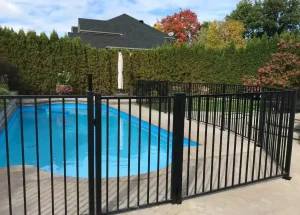
Residential fences, pool fences, and applications where aesthetic options, low maintenance, and design flexibility take priority often find aluminum fencing to be the better solution. Its rust-proof nature and lighter weight make it practical and visually appealing for enhancing curb appeal. Tailored solutions for various applications ensure optimal performance and value regardless of which material fits the project requirements.
| Feature | Steel Fencing | Aluminum Fencing |
|---|---|---|
| Primary Benefit | Superior Strength, Security, Impact Resistance | Rust-Proof, Lightweight, Design Flexibility |
| Best Use Cases | Industrial, Commercial, High-Security, Heavy-Duty | Residential, Pool, Decorative, Coastal Areas |
| Maintenance | Low with advanced coatings; high if untreated | Very Low |
| Upfront Cost | Generally Higher | Generally Lower |
| Long-Term Value | Excellent for security & durability; good ROI | Excellent for aesthetics & low maintenance; good ROI |
| Aesthetics | Robust, Traditional, Industrial | Versatile, Modern, Decorative, Elegant |
Frequently Asked Questions About Fencing Materials
Is aluminum fencing suitable for high-security applications?
Aluminum fences offer good deterrence and aesthetic appeal for residential security, but heavy-gauge steel or zinc steel fences are generally recommended for high-security, industrial, or commercial applications. The strength and impact resistance of steel simply outperform aluminum when physical breach resistance matters. Robust zinc steel options designed for maximum property protection address these demanding requirements.
What are the primary factors influencing the cost difference between steel and aluminum fences?
Material weight, manufacturing processes, and installation labor drive the cost difference. Steel fences often carry higher material and installation costs due to their weight and strength, though they can deliver exceptional long-term durability. Aluminum fences generally have lower material costs and easier installation requirements, contributing to a potentially lower total cost of ownership depending on the specific application and maintenance expectations.
How does Hubei Yulong ensure the longevity of its steel and aluminum fencing products?
Automated production lines and advanced surface treatment technology, including multi-layer powder coating and galvanization for steel, ensure excellent corrosion resistance, strong weather durability, and self-cleaning performance. These processes significantly extend the service life of aluminum and zinc steel fencing systems, making them reliable investments for any property type.
Partner with Hubei Yulong for Your Fencing Needs
Ready to secure and beautify your property with a high-quality fencing solution? Hubei Yulong Building Materials Co., Ltd. specializes in advanced aluminum and zinc steel fencing systems, offering unparalleled corrosion resistance, weather durability, and long service life. Contact our experts today for a personalized consultation and discover the ideal fence for your specific needs and budget. We provide reliable solutions for urban safety and environmental beautification, tailored for municipal, residential, industrial, and commercial applications worldwide. Reach us at +8619086315193 or sales01@yulongkeji-ch.com.
If you’re interested, check out these related articles:
YLOONG Solutions: Engineered for Security, Designed for Performance