
Getting deck railing anchors right matters more than most people realize until something goes wrong. I’ve seen installations where everything looked fine on the surface, but the post bases weren’t matched to the deck material or the fasteners couldn’t handle the lateral loads. The railing felt solid for a year, maybe two, then started wobbling at exactly the wrong moment. The components that connect posts to your deck structure—the anchors, connectors, and sleeves—determine whether your railing system performs safely over its full lifespan or becomes a liability waiting to happen.
Why Post Anchors Determine Railing System Performance
Deck railing post anchors do the invisible work that keeps everything stable. They transfer the forces from people leaning, wind pressure, and impact loads down into the deck substructure. When these connections fail, the entire railing system fails with them. Industry accident data consistently points to inadequate post anchoring as a leading cause of deck-related injuries—not rotted wood or corroded rails, but the connection points themselves.
The right anchor type depends entirely on what you’re fastening to. Surface mount post anchor designs work well when you need to attach to existing deck boards without major modifications, though they require adequate blocking beneath. Embedded systems offer superior resistance to both shear and uplift forces but need to be planned during construction. Load-bearing post anchors rated for the specific application ensure the connection can handle the forces it will actually experience, not just the weight of the railing itself.
What types of deck railing post anchors are most secure for different deck materials?
The most secure deck railing post anchors depend on the specific deck material. For wood decks, through-bolted wood deck post anchors that penetrate the framing provide exceptional shear and uplift resistance because they engage the structural members directly rather than relying on surface fastening alone. Concrete post anchors, such as wedge anchors or epoxy-set threaded rods, are essential for concrete slabs, ensuring a strong, permanent bond through mechanical expansion or chemical adhesion. Composite deck railing anchors often utilize specialized flange post mounts designed to distribute stress evenly across the composite material without causing the cracking or delamination that point loads can create. Matching the anchor type to the deck’s substructure material is crucial for maximum security and compliance.
Selecting Connectors and Sleeves That Last
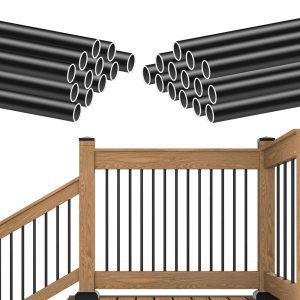
The hardware connecting your railing components—the brackets, sleeves, and fasteners—needs to match the quality of the posts and rails themselves. A premium aluminum railing attached with bargain-bin connectors creates a system that’s only as strong as its weakest link. The finish matters too. Powder coating finish provides a durable barrier against moisture and UV exposure, while bare or poorly treated metal will show corrosion within a few seasons in most climates.
Invisible deck railing connectors offer cleaner aesthetics by hiding the mechanical connections, but they need to be engineered for the loads they’ll carry. Post sleeve materials should complement both the structural post and the visual design. When these elements work together—structurally and visually—the result is a railing system that performs well and looks intentional rather than assembled from mismatched parts.
How do I choose the right connectors and sleeves for a durable and compliant deck railing system?
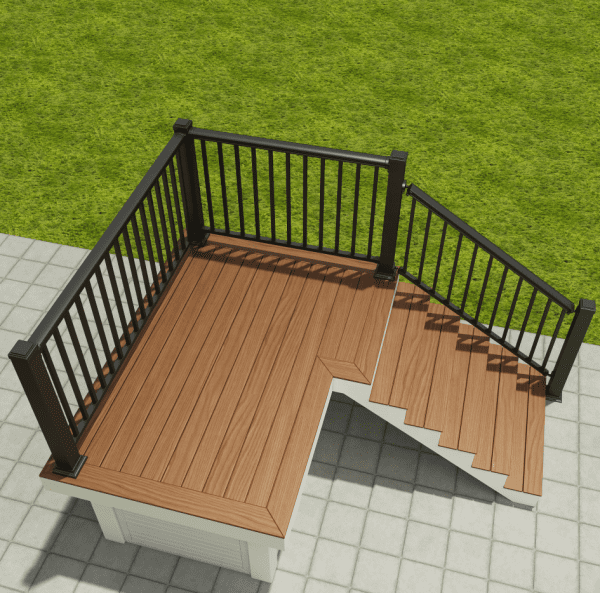
Choosing durable and compliant connectors and sleeves involves evaluating material quality, finish, and compatibility with the entire railing system. Components with robust corrosion resistance, such as powder coating finish, ensure longevity even in harsh weather conditions. Compatibility with the railing post support and overall design is also critical for both structural integrity and aesthetic appeal. For instance, the Aluminum Stair Railing System and Aluminum Deck Railing System are engineered for seamless integration and long-term performance, with connectors specifically designed for their post profiles.
How Aluminum and Zinc Steel Perform in Railing Applications
Material selection shapes everything about how a railing system ages. Aluminum railing posts resist corrosion naturally through the oxide layer that forms on exposed surfaces, making them particularly well-suited for coastal environments or areas with heavy precipitation. The strength-to-weight ratio means structural performance without the mass that makes installation difficult or puts unnecessary load on the deck structure.
Zinc steel railing, typically galvanized steel sleeves with additional coating, offers impact resistance that aluminum can’t match. For applications where physical abuse is likely—commercial settings, high-traffic areas, or locations where equipment might contact the railing—the toughness of steel makes sense. Advanced surface treatments, including multi-layer powder coating systems, give zinc steel excellent weather durability while maintaining the aesthetic options that modern projects require. The Powder Coated Aluminum Railing demonstrates how surface treatment technology extends the practical lifespan of these materials.
What are the benefits of using aluminum or zinc steel for deck railing components?
Aluminum and zinc steel offer distinct benefits for deck railing components. Aluminum railing posts provide an excellent strength-to-weight ratio, superior corrosion resistance, and require minimal maintenance, making them ideal for various climates. Zinc steel railing, often galvanized steel sleeves, offers exceptional impact resistance and durability, especially when treated with advanced powder coatings. Both materials contribute to weatherproof railing systems, ensuring long-term structural performance and aesthetic retention.
| Feature | Aluminum Railing Posts | Zinc Steel Railing |
|---|---|---|
| Corrosion Resistance | Excellent | Very Good (with coating) |
| Weight | Lightweight | Heavier |
| Maintenance | Low | Low (with coating) |
| Strength | High (strength-to-weight) | Very High |
| Aesthetics | Modern, Versatile | Traditional, Robust |
Installation Practices That Prevent Common Failures
The gap between a railing that performs and one that fails often comes down to installation details. Precise measurements matter because posts that aren’t plumb or evenly spaced create uneven load distribution. The wrong fastener selection—undersized bolts, incorrect thread type for the anchor, or incompatible metals that accelerate corrosion—undermines even the best components.
For DIY deck railing installation, the temptation is to rush through the anchoring phase to get to the visible parts of the project. That’s exactly backward. Rail post attachment methods should receive the most attention because they’re the hardest to fix later. Building code compliance isn’t just about passing inspection; the requirements exist because they represent the minimum standard for safe performance. Professional installers working on residential and commercial railing systems follow these standards not because they have to, but because they’ve seen what happens when corners get cut.
Maintaining Railing Components for Extended Service Life
Quality deck railing hardware, particularly aluminum and zinc steel components with proper surface treatment, requires remarkably little ongoing maintenance. The corrosion resistance built into these materials means you’re not fighting a constant battle against rust and degradation. Self-cleaning performance from smooth, coated surfaces reduces the accumulation of dirt and organic matter that can trap moisture against the metal.
What does matter is periodic inspection. Check fasteners annually for any loosening—thermal cycling and vibration from use can back out connections over time. Look for any signs of coating damage that could allow moisture to reach the base metal. Catching these issues early, when they’re simple fixes, prevents the kind of progressive failure that eventually requires component replacement. The extended railing component lifespan that quality materials offer only materializes if minor problems get addressed before they become major ones.
Meeting Code Requirements for Safe Railing Systems
Building code compliance railing standards exist because railings are life-safety components. The requirements cover height minimums, baluster spacing maximums, and load-bearing capacity—both the downward load of someone leaning and the lateral load of someone falling against the railing. These specifications vary by jurisdiction, and what passes inspection in one area may not meet requirements in another.
Residential fence standards and commercial railing requirements differ in their specifics but share the same underlying logic: the railing must prevent falls and withstand the forces it will realistically encounter. Deck safety regulations have become more stringent over time as the industry has learned from failures. Components engineered to meet or exceed current standards provide margin for the variations in installation quality and the unexpected loads that real-world use creates.
For robust, aesthetically pleasing, and compliant deck railing solutions, Hubei Yulong Environmental Protection Building Materials Technology Co., Ltd. provides advanced aluminum and zinc steel systems with unparalleled durability and expert support. Contact us today for a consultation or to explore our full range of fencing and railing products.
Frequently Asked Questions About Deck Railing Components
How do I ensure my deck railing post anchors are compliant with local building codes?
Start by obtaining the specific requirements from your local building department—load ratings, height minimums, and spacing maximums vary by jurisdiction. Select post anchors with documented load ratings that meet or exceed these requirements, and keep the documentation for inspection. Professional installation provides additional assurance, particularly for commercial applications where liability concerns are higher. Systems designed with industry standards in mind simplify compliance because the engineering work has already been done.
What is the typical lifespan of deck railing connectors and sleeves made from aluminum or zinc steel?
Aluminum and zinc steel connectors and sleeves with advanced surface treatments routinely exceed 20-30 years of service life with minimal maintenance. The actual lifespan depends on environmental exposure—coastal salt air and industrial pollution accelerate degradation—and whether minor damage gets addressed before it spreads. Quality components in moderate climates often outlast the deck structure they’re attached to.
Can deck railing post anchors and connectors be used for both residential and commercial projects?
Aluminum and zinc steel fencing systems, including deck railing post anchors and connectors, are engineered for versatility across application types. The same material properties that make them suitable for residential communities—corrosion resistance, weather durability, aesthetic options—apply equally to municipal projects, industrial parks, and commercial developments. The difference lies in scale and specific code requirements rather than fundamental component design.