
栏杆立柱承受着巨大的压力。日晒雨淋、冻融循环,以及人们倚靠的持续压力——所有这些因素都会累积起来。多年来,我一直在住宅和商业栏杆系统领域工作,发现立柱的损坏方式往往具有一定的规律性,一旦了解了问题所在,修复通常也很简单。难点在于如何判断何时修复能够真正解决问题,何时只是在拖延不可避免的结局。本文将详细介绍常见的损坏模式、实用的修复方法,以及区分快速修复和彻底更换的关键决策点。
为什么栏杆柱会随着时间的推移而失效
栏杆立柱位于结构荷载和环境暴露的交汇点,因此容易出现一系列特定问题。立柱本身可能完好无损,但连接件——螺栓、锚栓、底板——往往最先失效。紧固件会腐蚀,混凝土会开裂,木材底部因潮气积聚而腐烂。温度波动会导致材料热胀冷缩,逐渐松动原本安装时紧固的五金件。
材料的选择至关重要。未经处理的木柱直接接触地面,5-7年内就会出现严重的腐烂。镀锌不足的钢材,尤其是在沿海或高湿度环境下,3-5年内也容易出现可见的腐蚀。使用寿命最长的立柱通常是铝制或经过适当处理并带有坚固保护涂层的钢材——但即使是这些材料,连接点也需要格外注意。
松动栏杆柱背后的机械原理
当栏杆柱开始摇晃时,问题通常可以追溯到以下三个方面之一:紧固件、地基或柱子材料本身。
紧固件失效是最常见的原因。螺栓和螺钉会因振动和热循环而逐渐腐蚀、滑丝或松动。这种情况在甲板栏杆上尤为常见,因为结构会在人来人往时发生轻微弯曲。反复的微小移动会在数月甚至数年后导致紧固件松动。
接下来是地基问题。混凝土会在立柱底部周围沉降、开裂或侵蚀。土壤也会移动。在露台上,支撑不足或横梁固定不牢都会导致移动传递到立柱上。许多松动的扶手直接源于最初施工时埋入深度不足或锚固措施偷工减料——这些问题往往要多年后才会显现出来。
| 问题类型 | 常用指标 | 常见原因 |
|---|---|---|
| 摇晃的柱子 | 可见的移动物体,吱嘎作响的声音 | 紧固件松动、地基沉降、材料腐烂 |
| 腐蚀/腐烂 | 锈渍、软木、变色 | 受潮、缺乏保护涂层 |
| 裂纹底座 | 混凝土或安装板上的可见裂缝 | 冻融循环、冲击、结构超载 |
| 材料疲劳 | 弯曲、变形、细微裂纹 | 重复性应力、材料选择不当 |
| 安装不当 | 立柱错位,支撑不足 | 不合格的施工方法 |
松动栏杆柱的实用修复方法
The repair approach depends entirely on what’s actually failed. A loose bolt is a different problem than a rotted post base, and treating them the same way leads to callbacks.
For wooden posts, the fix often involves re-securing with longer, corrosion-resistant fasteners or adding structural blocking between the post and the framing. If the wood itself is sound, this usually works. Metal posts might need base plate reinforcement, re-welding of cracked joints, or anchoring with structural epoxy. Concrete anchors provide the most reliable connection when securing posts into masonry — the key is using the right anchor type for the concrete condition and load requirements.
Whatever the material, use hardware rated for exterior exposure. Galvanized or stainless steel fasteners cost more upfront but eliminate the corrosion problems that caused the original failure.
Fixing a Wobbly Deck Railing Post
Start by identifying exactly where the movement originates. Grab the post and try to isolate whether it’s moving at the deck connection, at the rail connection, or somewhere in between.
If the post bolts to the deck frame, tighten everything first. Stripped or corroded bolts need replacement — go with heavier-gauge hardware than the original. Posts attached with lag screws often benefit from upgrading to through-bolts, which provide significantly better pull-out resistance.
Adding blocking between deck joists and the post makes a substantial difference on posts that were originally installed without adequate backing. The blocking gives the fasteners something solid to bite into instead of just the rim joist.
For posts that are severely compromised at the connection point, post-to-beam connectors or tension tie systems can reinforce the structure without requiring full replacement. These hardware solutions distribute load across a larger area and provide redundancy if individual fasteners fail.
If you’re interested, check 《YLOONG Solutions: Engineered for Security, Designed for Performance》.
Addressing Specific Types of Railing Post Damage
Different damage types require different approaches. The goal is always to restore structural integrity while using materials and methods that will outlast the original installation.
Repairing rusted metal railings starts with grinding away all visible corrosion — not just the surface rust, but any pitting or scale underneath. Apply a rust-inhibiting primer before repainting or powder coating. Minor cracks in metal can be welded, but this requires someone who knows what they’re doing; poor welds create stress concentrations that fail faster than the original material.
Fixing rotted wood posts depends on how far the decay has spread. If it’s limited to the surface, epoxy wood fillers work well. Deeper rot requires cutting out the affected section and splicing in new pressure-treated lumber. The splice needs to be properly supported and fastened — this isn’t a cosmetic repair.
Cracked concrete post repair typically involves epoxy injection for structural cracks or patching compounds for surface damage. The distinction matters: epoxy actually bonds the concrete back together, while patching compounds just fill the void.
Composite railing damage, usually from impact or UV degradation, often requires section replacement. Some surface damage can be addressed with composite repair kits, but these are cosmetic fixes that don’t restore structural capacity.
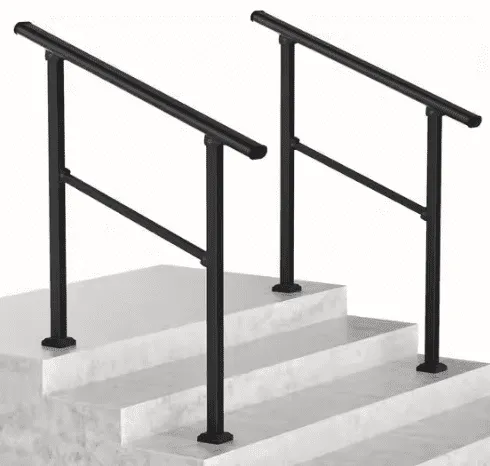
Our Aluminum Balcony Railing and Aluminum Stair Railing System products are designed with modular components specifically to simplify repairs. When a section fails, you replace that section — not the entire system.
| Damage Type | Repair Action | Replacement Threshold |
|---|---|---|
| Minor Surface Rot | Wood hardener, epoxy filler, repaint | >25% cross-section compromised, structural weakness |
| Light Rust | Wire brushing, rust converter, primer, paint | Deep pitting, perforations, widespread structural loss |
| Hairline Cracks | Epoxy injection, crack sealant | Structural cracks >1/8 inch wide, through-material |
| Loose Fasteners | Tighten, replace with larger/longer fasteners | Stripped holes, material crumbling around fastener |
| Bent Metal | Straighten with heat/pressure (if minor) | Severe deformation, fatigue cracks, multiple bends |
Knowing When Repair Won’t Cut It
The hardest call in railing maintenance is deciding when to stop repairing and start replacing. There’s always pressure to save money with another patch, but some damage genuinely can’t be fixed to a safe standard.
Replacement becomes necessary when structural integrity is compromised beyond reliable repair. Extensive rot that has hollowed out a post, deep corrosion that has thinned metal to the point of weakness, cracks that run through load-bearing sections — these aren’t problems you can patch your way out of.
The economics matter too. If you’ve repaired the same post twice and it’s failing again, a third repair is probably throwing money away. When repair costs approach replacement costs, replacement almost always makes more sense because you’re getting new material with a full service life ahead of it.
The Replacement Decision Point
Consider replacing a damaged railing post when the damage affects more than about 25% of the post’s cross-section, whether from rot, corrosion, or cracking. At that point, the remaining material is carrying loads it wasn’t designed to handle alone, and failure becomes a matter of when, not if.
Multiple failure points on the same post also push toward replacement. A post with one stripped bolt hole can be repaired. A post with three stripped holes and surface rot is telling you something about its overall condition.
Major railing damage on load-bearing posts is non-negotiable. These posts support the weight of people leaning against the railing, and in some cases, the weight of people falling against it. Safety concerns railings present in these situations aren’t theoretical — they’re the reason building codes exist.
The age of the overall system factors in as well. Isolated damage on a relatively new system is worth repairing. Multiple failing components on an older system suggest the whole thing is approaching end of life, and targeted repairs may just shift stress to the next weakest point.
| Assessment Criteria | Repair Feasible | Replacement Recommended |
|---|---|---|
| Structural Integrity | Minor surface damage, localized weakness | Significant load-bearing capacity loss, widespread failure |
| Material Degradation | Isolated rot/rust, treatable surface issues | Deep penetration, material loss, widespread decay |
| Fastener Points | Stripped holes, minor loosening | Material crumbling, complete fastener failure |
| Cost-Benefit Analysis | Repair cost significantly less than replacement | Repair cost approaches or exceeds replacement cost |
| Safety Standards Compliance | Meets current safety codes after repair | Fails to meet safety codes even after repair |
| Age of System | Relatively new system, isolated damage | Old system, multiple failing components |
Keeping Railing Posts Sound for the Long Term
The best repair is the one you never have to make. Regular inspection catches problems while they’re still small and cheap to fix. Twice a year is reasonable for most installations — once in spring to assess winter damage, once in fall to prepare for the next cold season.
Cleaning and protective coatings extend service life significantly. Wood needs sealant or stain. Metal needs paint or powder coating maintained. Even aluminum, which doesn’t rust, benefits from periodic cleaning to remove salt and debris that can cause surface degradation.
Material selection at installation time has the biggest impact on long-term durability. Durable railing materials like aluminum or zinc steel resist environmental degradation far better than untreated wood or basic steel. The upfront cost difference pays back many times over in reduced maintenance and longer service life.
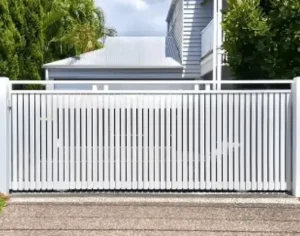
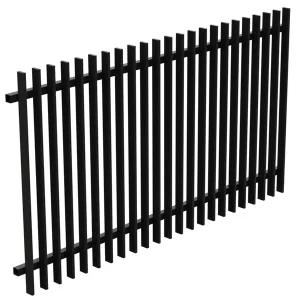
Our Aluminum Slat Fence and Aluminum Blade Fence Panels products use automated production and advanced surface treatment to achieve consistent corrosion resistance across every unit. The weather durability railings need comes from both the base material and the protective coating — we address both.
Professional railing installation also matters more than most people realize. Proper embedment depth, correct fastener selection, adequate blocking — these details determine whether a railing system lasts 10 years or 30.
For guidance on securing your railing systems or to discuss durable fencing solutions for your project, reach out directly. Contact us at +8619086315193 or sales01@yulongkeji-ch.com.
Frequently Asked Questions
我应该多久检查一次栏杆柱是否损坏?
栏杆立柱至少每年检查两次。春季检查可以发现冬季冻融循环和潮湿造成的损坏。秋季检查则有助于在寒冷天气使维修更加困难之前解决问题。人流量大的商业场所或位于恶劣沿海环境中的栏杆可能需要每季度检查一次。
我可以自己修理栏杆柱吗?还是需要请专业人士?
诸如拧紧松动的紧固件、更换腐蚀的螺栓或涂抹保护涂层等小修小补,都是可以自行完成的合理项目。但涉及焊接、混凝土施工或承重柱更换等结构性维修,则应由专业人员进行。此类维修事关重大,任何疏忽都可能造成真正的安全隐患。
户外环境下,最耐用的栏杆柱材料是什么?
铝材兼具耐腐蚀性、强度和低维护成本,是大多数户外应用的理想选择。它不会生锈,能很好地抵抗紫外线照射,而且几乎不需要后续维护。不锈钢的性能与之类似,但价格更高。经过适当处理的木材,只要定期维护,可以使用数十年,但这种维护是必不可少的。
如何判断栏杆柱上的裂缝是否是结构性裂缝?
结构性裂缝贯穿材料内部,而不仅仅是表面。它们通常宽度超过 1/8 英寸(约 3 毫米),并且可能出现两侧位移。出现在连接点或沿木材纹理方向的裂缝尤其令人担忧。如有疑问,请务必请专业人士进行评估——误判的后果可能非常严重。
对于栏杆柱维修来说,紧固件的类型真的重要吗?
紧固件的选择至关重要。耐腐蚀、适用于室外环境的紧固件虽然价格略高,但却能消除栏杆系统中最常见的故障模式。不锈钢或热浸镀锌五金件应作为所有室外栏杆维修的标准配置。在室外使用室内级紧固件无异于埋下隐患。