
Choosing railing for apartment balconies and terraces means balancing safety, durability, and appearance across dozens or even hundreds of identical installations. Aluminum fencing systems deliver a corrosion-resistant, low‑maintenance barrier that handles weather while meeting strict building codes, but getting the specification right demands more than picking a style from a catalog. I’ve supported multi‑unit residential projects in several markets, and the difference between a smooth building approval and a costly re‑order almost always comes down to having the right structural data and factory certifications in hand from the start. This article walks through the material strengths, code requirements, design choices, and procurement steps that help contractors and property managers deliver safe, long‑lasting balcony enclosures.
Why Aluminum Outperforms Other Materials for Balcony Fencing
Aluminum is the material I recommend for most apartment balcony jobs because it solves the three pain points that generic railing systems create: corrosion risk, weight, and ongoing maintenance. A 6063‑T6 alloy railing with a properly cured powder coating will not rust, even on ocean‑front terraces where steel flashings and fasteners start showing rust within two years. That durability comes from the extrusion process itself; the alloying elements that make the shape stable also give the fence its resistance, so there’s no protective coating that can peel and expose raw steel underneath.
Weight matters on a high‑rise. A steel balcony fence adds 20–25 kg per linear metre, which loads the concrete edge beam and can push the structural engineer toward heavier, costlier floor slabs. Aluminum fencing typically weighs half as much, so the dead load stays manageable without sacrificing strength. The powder coating finish, when applied to AAMA 2604 or 2605 standards, holds its colour through full sun exposure and won’t need repainting. In projects where I’ve compared lifecycle costs across a 10‑year maintenance window, aluminum consistently comes out ahead of painted steel or wood composite alternatives.
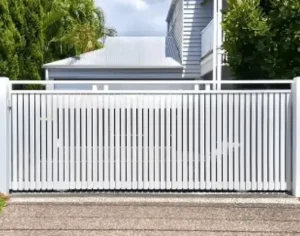
The table below gives a side‑by‑side comparison that we often share with developers weighing material choices.
| Material | Corrosion Resistance | Weight per m | Maintenance Cycle | Typical Coating Life |
|---|---|---|---|---|
| Aluminum (6063-T6, powder coated) | Excellent – no red rust | 8–10 kg | Wash only | 15–20 years |
| Galvanised steel | Moderate – cut edge rust | 18–22 kg | Repaint every 5–7 years | 10–12 years |
| WPC composite | Good – colour fade risk | 12–15 kg | Occasional cleaning | 10–15 years |
| Tempered glass insert | Excellent – no corrosion | Varies by hardware | Clean glass, check clamps | 20+ years |
Meeting Building Code and Structural Requirements for High‑Rise Installations
When we talk about “safe” balcony fencing, we are talking about three specific load paths: the concentrated force on a single baluster, the uniform push‑out on the whole panel, and the wind load that amplifies both as height increases. IBC 1607.8.1.1 requires a 200‑pound concentrated load applied horizontally at any point on a guard, and the railing must support a uniform 50‑pound per square foot live load without deflecting more than a few millimetres. For apartment terraces above the tenth floor, wind speed on the face of the building can add another 20–30 psf, so the post‑to‑deck connection and the post section must be calculated, not guessed.
Height is not negotiable. Residential guardrails must be 42 inches above the finished floor per IBC. I’ve seen inspectors reject entire floors because a contractor installed 36‑inch commercial railings on apartment balconies, assuming they were the same. Picket spacing must prevent a 4‑inch sphere from passing through; that rule applies uniformly across North America and most GCC markets.
The alloy and temper matter here. 6063‑T6 aluminum extrusions provide a yield strength of about 25 ksi, which allows posts to handle the combined bending and tension loads without requiring massive sections. I commonly specify 2‑inch square posts with a 0.125‑inch wall for spans up to 6 feet where the wind exposure category is B or C. For taller spans or curtain‑wall projects, we move to 2.5‑inch posts or add intermediate support.
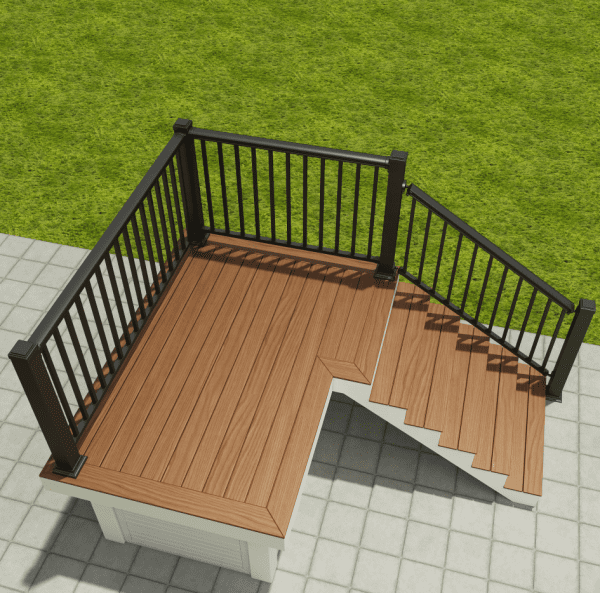
If your project involves glass infill panels or a mix of open slats and solid privacy screens, the wind drag changes significantly. A perforated aluminum panel with 30% open area cuts wind load roughly in half compared to a solid glass panel, which can reduce the post size and anchor bolt count. I always ask for a site‑specific wind pressure calculation before finalising the railing specification; that one step has saved projects from over‑engineering costs and from under‑designed failures.
Design Options: Railing Styles, Infills, and Finishes
Aluminum balcony fencing today is not the utilitarian picket you see on 1990s walk‑ups. The extrusion process allows vertical slat fences, horizontal blade profiles, laser‑cut decorative screens, and frame‑ready channels for tempered glass inserts. I’ve worked with architects who wanted the privacy of a solid blade fence on one elevation and the openness of a glass balustrade on another, and the aluminum framing system makes it possible to blend both without welding on site.
The infill choice drives both the visual character and the structural spec. Glass panels – typically 6 mm or 8 mm tempered glass set in aluminum channels – maximise the view but also increase wind load and add weight. Vertical slat or blade fences provide better airflow and reduce the wind‑load penalty, though they require a smaller clear‑opening than glass to meet the 4‑inch sphere rule. For corner units that get full afternoon sun, a slat fence with a 30° blade angle cuts glare while still allowing the breeze to pass through.
Powder coating colour is another functional decision. I usually suggest an RAL 9005 matte black or a dark bronze for coastal projects, because darker colours mask the salt haze that settles on railings. Light greys and whites are more common in desert climates where heat reflection matters. AAMA 2604‑grade polyester powder offers good colour retention, while AAMA 2605 super‑durable polyester gives the best performance for UV‑intense regions.
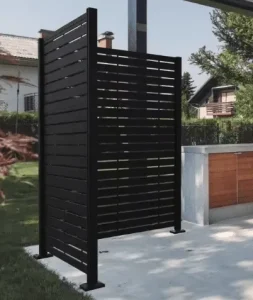
If your design calls for multiple infill types or non‑standard heights across the same tower, it’s worth confirming that the manufacturer can supply fully engineered drawings for each elevation. At sales01@yulongkeji-ch.com I often review mixed‑infill projects where glass panels on the main terrace face transition to blade panels on the side elevations, and getting the post schedule aligned early prevents on‑site cutting.
Procuring Factory‑Direct: Specifications, MOQs, and Lead Times
A common friction point for contractors is that off‑the‑shelf railing kits rarely match the exact dimensions of an apartment layout, while a fully bespoke order feels risky if the supplier isn’t familiar with export documentation. The middle ground is a factory‑engineered system: pre‑configured extrusions, brackets, and fasteners that are cut to length per elevation drawing, powder coated, and palletised by floor. That way the installer receives a numbered kit instead of a container of loose sticks.
To get a reliable quotation, you need a specification sheet that includes material alloy and temper, picket profile and spacing, post cross‑section and wall thickness, finish standard (AAMA 2604 or 2605), RAL colour code, and a dimensioned elevation showing post centres. For large‑volume orders – say, 200 linear metres or more – the unit cost per metre falls noticeably because the extrusion dies and powder setup can be amortised. Most factories, including ours, require a minimum order quantity around 100 linear metres for custom extrusions, but standard profiles can be ordered in smaller trial batches.
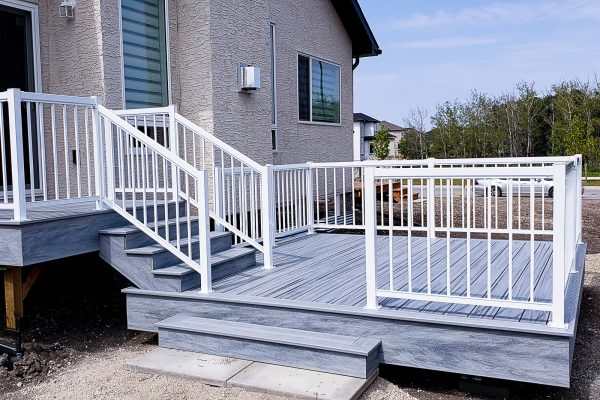
Lead time typically runs 30–45 days from deposit to FOB forwarder, depending on the complexity of the finish. I advise adding a two‑week buffer for third‑party testing if your project requires a specific ASTM or CE compliance report. Over the years I’ve learned that the fastest way to avoid delays is to freeze the balcony railing spec before the building’s structural frame goes up, because any late change to the slab edge detail can force a redesign of the post anchoring plate.
Installation Considerations for Apartment Buildings
Installing aluminum fence on balconies is less about the metal and more about the concrete. The most common failure I see is an anchor bolt that pulls out because the concrete edge wasn’t properly assessed for edge distance and embedment depth. On a typical 8‑inch balcony slab, a ½‑inch wedge anchor needs a minimum 2.5‑inch embedment and at least 4 inches from any free edge to develop its full capacity. That geometry doesn’t always work on thin slabs, which is why we often engineer a surface‑mounted post shoe with multiple smaller anchors that create less edge stress.
On high floors, wind gusts can vibrate a railing that feels solid at grade level. The fix is usually a stiffer post section, not a thicker panel. I’ve been on sites where the vibration disappeared after swapping 2‑inch posts for 2.5‑inch ones on the top three floors only, which added less than 5% to the total railing cost and kept the residents comfortable.
Sequencing the installation around other trades saves time. The ideal window is after glazing is complete but before flooring is laid, so the railing crew can set posts directly on the structural slab and the flooring contractor can trim around them. If that sequence can’t hold, we provide a raised base plate that allows the flooring to slide underneath with a clean reveal, but it adds a machining step so it needs to be flagged during the quoting stage.
Getting the Balcony Fence Right on a Building Scale
A factory‑engineered aluminum fencing system with documented load calculations and coating certifications removes the guesswork that too often turns a balcony railing installation into a remedial job. When the structural data matches the architectural intent from the start, the approval moves faster and the installation yields the same result on the thirtieth floor as it did on the first mock‑up. Send your part numbers and quantities to sales01@yulongkeji-ch.com or call +8619086315193 to discuss your next project. I’ll review your balcony layout and provide a detailed specification sheet with factory‑direct pricing.
Common Questions About Specifying Aluminum Balcony Fencing
Is aluminum strong enough for a high‑rise balcony railing or should I use steel?
It is, provided the alloy, temper, and section size are matched to the loads. I’ve specified 6063‑T6 aluminum posts that carry the same 200‑pound concentrated load as steel posts of similar outside dimensions, and with far less dead weight on the slab. The key is the engineering, not the material name.
Can I get the exact RAL colour to match my building’s window frames?
Yes, powder coating can be matched to any RAL colour as long as the minimum order quantity for that specific colour is met. For projects above 200 metres, the powder supplier will typically produce a custom batch. Smaller jobs can often use a stock colour that’s already queued in the factory schedule.
How do you handle installation where the balcony slab has an uneven surface?
We usually design a base plate with a 10‑12 mm levelling gap that gets shimmed and then grouted or sealed after the posts are aligned. The engineering has to account for the reduced bolt tension length in the levelled zone, so we always ask for a site measurement before finalising the anchor spec.
What documentation should I expect with a factory order to satisfy the building official?
A complete submission package should include structural calculations for the specific post‑to‑deck connection, a material certificate showing the alloy and temper, a coating adhesion test report, and a compliance statement confirming the railing meets IBC 1607.8. If your local code requires a third‑party stamp, we can coordinate that through a notified body. Share your requirements and I’ll confirm what documentation is already available for the system you’ve selected.
If you’re interested, check out these related articles:
Steel Fence Coating: Epoxy, Polyester, PVC for Longevity
Aluminum Fence Grades: Understanding T5 and T6 Strength