
Fence and railing wholesale prices shift with material grade, panel geometry, coating standard, and order volume, and buyers who compare only surface line items often miss the cost drivers that matter. I have priced aluminum, steel, cable, and WPC systems from the factory side for more than a decade, and useful 2025 numbers depend less on a universal market rate than on specification discipline. A light residential panel and a code-compliant pool railing are not the same product, even when both carry an “aluminum railing” label. This guide gives you the cost logic so your next quotation request produces comparable numbers rather than a race to the lowest extrusion.
What Drives Fence and Railing Wholesale Prices in 2025?
Metal fences and railings are priced through four levers: material composition, surface treatment, fabrication complexity, and batch size. An aluminum slat fence with 6063-T5 profiles, 60 micron polyester powder coat, and punched post holes costs more than an uncoated panel because the first two items are actual process costs, not negotiation points.
I see this most often in railing quotes. A buyer asks for “aluminum balcony railing, 42 inch height” and receives three numbers that span a wide envelope. The gap usually appears when one supplier quotes a narrow 40 by 40 mm top rail, another a reinforced 50 by 100 mm section with a tempered glass channel. The second is not overpricing; it is quoting a different structural product. The same principle applies to fences. Panel width, picket spacing, rail count, and whether posts are included change the unit price before coating and freight enter the calculation.
Batch size works differently in wholesale fencing. A supplier may quote the same panel lower for a 40 foot container than for a single pallet because the coating line and punching dies amortize differently. We currently advise buyers to group mixed products into one shipment: slat panels, matching gates, and railing kits from one coating batch reduce color mismatch and improve freight density.
How Much Do Aluminum Fence and Railing Wholesale Prices Change by Application?
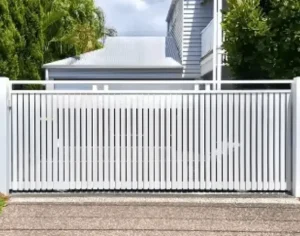
Aluminum fence and railing wholesale prices move by application because wind load, safety code, and privacy requirements change the section profile. A residential garden slat fence may use a 20 mm cover width, while a pool area or coastal project may need 80 mm blades with larger posts and through-fixing. The second costs more per square meter and also lasts longer under repeated loading.
For standard factory-direct budget checks, I currently use the following working ranges for aluminum systems, excluding freight and local installation. These are not published market rates; they are the order-of-magnitude envelopes our engineering team uses to respond to new inquiries.
| Product system | Cost basis | Approximate factory-direct range | Typical specification driver |
|---|---|---|---|
| Aluminum slat fence panel | per square meter | $32 to $58 | Blade depth, privacy ratio, powder coat |
| Aluminum railing kit | per linear meter | $42 to $78 | Post size, baluster spacing, code height |
| Aluminum privacy screen | per square meter | $38 to $66 | Laser-cut pattern, slat angle, frame thickness |
| Aluminum gate | per unit | $160 to $420 | Swing or sliding type, width, lock prep |
| Aluminum balcony railing | per linear meter | $46 to $82 | Top rail section, glass or baluster infill |
What does wholesale aluminum railing cost per linear foot?
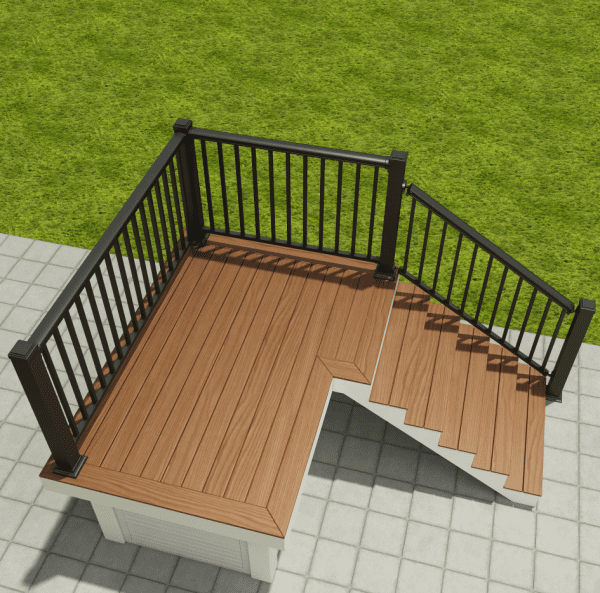
Buyers often convert meter prices to linear foot and find that installation hardware changes the real number. The core railing extrusion may quote at $13 to $24 per linear foot, but post brackets, sleeves, end caps, and mid-post connectors can add meaningfully when counted per bay. That is why our quotation tool separates “railing kit” from “post hardware”. If you compare only the rail line, you miss the difference between a clip-fixed decorative system and a welded picket system intended for a public stairwell.
How Do Steel, WPC, and Cable Railing Wholesale Prices Compare?
Steel ornamental fencing sits in a different cost band than aluminum because hot-dip galvanizing and heavier picket sections increase both material weight and process time. A steel panel may be less expensive per linear meter than an equivalent aluminum privacy panel in some cases, but freight weight closes part of that gap for imported orders. WPC slat fences with aluminum posts cost less than full aluminum blade systems at equal height, though they trade some wind resistance and service temperature tolerance for that lower unit rate.
Cable railing behaves differently again. The cable itself is not the main cost; post spacing, tensioner type, and T316 versus T304 stainless determine whether a system lands at the lower or upper end of the range. We currently quote cable systems per linear meter with the cable included, but always list the post schedule separately because a 48 inch commercial guard with 3 foot cable spacing does not compare to a residential deck at 4 foot spacing.
| Material system | Cost basis | Approximate factory-direct range | What to verify |
|---|---|---|---|
| Steel ornamental fence | per linear meter | $38 to $72 | Picketing, rail count, galvanizing standard |
| WPC fence with aluminum posts | per linear meter | $34 to $58 | Slat density, cover width, post height |
| Stainless cable railing | per linear meter | $58 to $112 | T316 vs T304, tensioner hardware |
| Wire mesh panel fence | per panel | $14 to $38 | Wire gauge, mesh opening, post type |
If your project mixes panel fencing and welded railing on the same order, confirm whether the supplier will consolidate coating runs and post hardware under one production batch. That single point changes unit cost more than negotiating a few dollars per meter. Send your part numbers and quantities to yloongfence@gmail.com and we can check the mixed-container math before you commit.
Which Specifications Add the Most to Your Fence and Railing Unit Cost?
The specification that adds the most cost is not always the most visible. Powder coat thickness, alloy temper, and post embedment are invisible from a line item but drive production hours and replaceable parts. In our quotation reviews, the following five choices usually move price upward in this order: picket or slat count per panel, post size and spacing, coating system, infill complexity, and gate count.
Picketing density matters because each vertical member requires cutting, punching, and assembly labor. Raising a slat fence from 50 percent visual coverage to 80 percent adds material and processing time that cannot be hidden. Post size matters because wind load and code requirements transfer force from the panel to the ground. A 2 inch post may work for a garden screen, but a 3 inch post is necessary for a solid privacy panel on an open site, and that changes footing work on site as well as factory cost.
Coating choices deserve separate attention. Standard polyester powder coating is an industry default, but super-durable polyurethane or PVDF topcoats cost more and protect color retention in high-UV locations. We ask buyers to specify coating thickness, salt spray hours, and color code in the RFQ. Without those values, two suppliers are not quoting the same finish.
How Do You Compare Wholesale Quotes Without Losing Specification Integrity?
Most fences and railings are cheap to draw and expensive to reorder. The moment a quote looks too low, check what was excluded: posts, gates, brackets, coating thickness, or packaging. A price guide only becomes useful when every line references the same drawing. I recommend sending potential suppliers a one-page RFQ with alloy, coating standard, post schedule, gate list, and required documentation. That way the comparison happens at the specification level, not at the email signature.
Ask whether the price is based on FOB, CIF, or delivered duty paid terms. Ask what happens to the unit price if you change the panel width by 200 mm. Ask whether the quote includes edge protection and export packaging for container handling. These questions reveal whether the factory is quoting a real production plan or a market position.
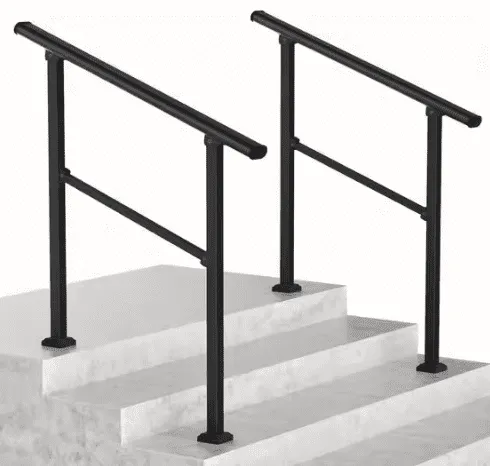
One point we repeat to project buyers: choose the quote that can be manufactured and inspected, not the one that wins by deleting material. A railing that meets IRC (International Residential Code) or local loading requirements at the specified post spacing is a different product from a lighter section at post spacing the supplier assumes. When the comparison is honest, the wholesale price becomes a secondary filter after compliance and service life.
If you already have a drawing or even a rough panel schedule, send it to yloongfence@gmail.com or call +8619072006155. Tell us the project location, required height, and whether you need a full system or panels only. We will return a written breakdown that separates material, coating, posts, gates, and packaging so you can compare the real cost, not just the first number in the email.
What Should Buyers Ask About Fence and Railing Wholesale Costs?
Does a lower wholesale price mean lower quality?
Not always, but it usually means fewer specifications. In our factory, a lower price can come from lighter infill density, a shorter post schedule, or a thinner coating that still passes visual inspection. That is acceptable for a decorative garden panel and wrong for a commercial guard rail. Quality in metal fencing is measured by alloy grade, coating adhesion, fastener type, and structural testing documentation, not by the first quote. Ask the supplier to identify what changed from the baseline specification before you accept the discount.
What is the minimum order quantity for factory-direct fencing?
Minimum order quantity depends on the production process, not on the product line alone. Standard panel and railing systems often start around 100 linear meters per item, while custom blade or screen panels may require enough quantity to justify a dedicated punching or laser-cutting run. We sometimes consolidate smaller test orders into a shared production batch when a buyer is evaluating a new specification, which reduces setup cost without committing to a full container. The practical approach is to ask for a sample order rather than assuming MOQ is fixed.
How do Incoterms change the real unit cost?
Incoterms affect unit cost more than many buyers expect. An FOB price stops at the port of loading, while CIF adds freight and insurance, and DDP includes duties and delivery. The same panel can look far cheaper on one Incoterm if the other quote carries freight and clearance. We always list the Incoterm next to every unit price and recommend comparing quotes on the same basis. If you are not sure which term fits your order, ask us to model FOB, CIF, and DDP side by side before you issue a purchase order.
Why do two suppliers quote different prices for the same drawing?
In our quotes, differences usually trace back to hidden line items. One supplier may include post sleeves and gaskets, another may leave them as exclusions. One may assume 6063-T5 aluminum, another commercial-grade 6061 or a lower temper without saying so. One may quote a 40 foot container with optimized mixed loading, another a single pallet at LCL (less than container load) freight. I check the alloy, coating, hardware list, packaging standard, and Incoterm before I compare the final number. If your drawing is ambiguous, share the part codes and quantities with yloongfence@gmail.com and we will flag every line we would include or exclude in a written quotation.
If you’re interested, check out these related articles:
Custom Chain Link Fence: Gauges, Heights, Gates & Bulk Guide
Steel Fence Coating: Epoxy, Polyester, PVC for Longevity
Ornamental Steel Fence: Design, Quality, & Direct Pricing
Order Custom Aluminum Fencing from China: A Strategic Guide
Aluminum Fence Panels: 2025 Wholesale Price Per Foot Guide