
The view from a deck or balcony usually drives the railing conversation, but the material choice changes what that view looks like after two years of weather and cleaning cycles. Cable railing vs glass railing comes down to whether you want a minimal horizontal line pattern or broad transparent panels, and each option carries different structural, maintenance, and code consequences. From our engineering reviews, cable railing delivers the least obstructed long distance view in most high wind and low maintenance builds, while glass railing is the stronger choice when wind screening, pool enclosure, or a continuous visual plane matters more.
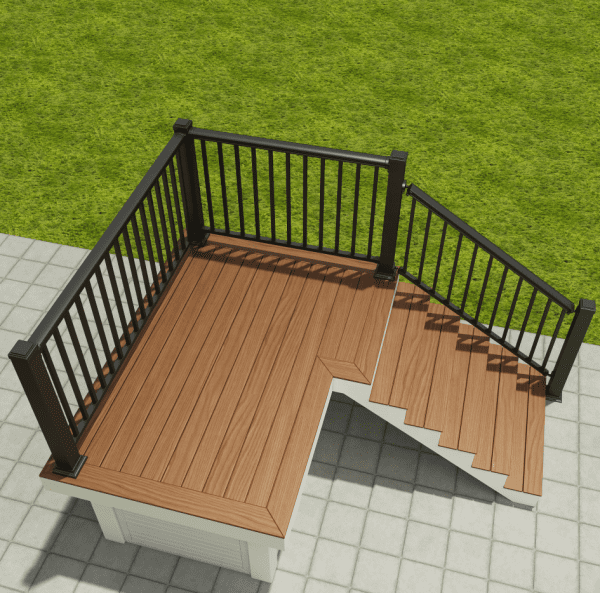
How Do Cable and Glass Railings Compare for Unobstructed Views?
Cable railing uses horizontal stainless steel cables drawn across posts at close spacing. The cables are thin enough that the eye quickly reads past them, which matters most on long sightlines where a heavy railing frame would sit directly across the view. Glass railing uses broad tempered or laminated panels held by posts, base shoes, or point fixed clamps. Those panels do not segment the view into horizontal bands, but they add a reflective surface, slight tint, and visible post and clamp rhythm.
Cable railing vs glass railing is not only a visual comparison. It changes how the wind hits the guard, how much hardware sits in the opening, and how often the owner has to clean the surface to preserve the original effect.
| Factor | Cable railing | Glass railing |
| Visual mass | Low, repeated thin lines | Broad panels with posts and clamps |
| Long distance sightline | Strong, especially above eye level | Strong, but reflections and tint may register |
| Wind exposure | Low wind sail, less load on posts | High wind sail, post and base must resist more |
| Cleaning pressure | Occasional cable wipe and tension check | Frequent panel washing, hard water marks visible |
| Code path | Cable spacing and tension must meet 4 inch rule | Tempered or laminated glass must carry infill load |
Neither option disappears completely. Cable creates a series of faint horizontal lines, and glass creates a reflective plane that changes with the light. The right choice usually comes down to which visual compromise you can live with over the life of the building.
What Determines View Quality in a Railing System?
View quality is not only about how much material sits in front of the opening. It also depends on frame rhythm, post size, glass tint, cable sag, and cleaning schedule. A glass panel with heavy posts every four feet can feel more visually closed than a cable system with thin stainless posts every five feet. A cable system with low tension and visible sag creates a wavy line that draws the eye more than a straight taut series ever would.
What counts as view blockage in a glass railing?
The panel itself rarely blocks the view, but its supporting hardware does. Base shoes, clamps, and intermediate posts create a visible grid. Oversized posts and thick top rails add more visual weight than the glass they hold. Reflections and hard water spotting also read as visual noise, especially on south and west facing installations.
How do cable tension and deflection change sightlines?
Low cable tension lets the line dip under its own weight and under temperature change. A 20 foot run can develop enough slack to be seen from inside the house as a soft wave. That draws attention to the railing instead of the view. Proper stainless cable tension holds the line straight, so the eye moves through the pattern instead of stopping on it.
How Does Maintenance Affect the Long Term View Through Cable and Glass?
Glass looks nearly invisible on installation day, but it earns its visual penalty over time. Dust, salt spray, mineral deposits from irrigation water, and hand oils build up quickly. In our coastal project reviews, glass rails within reach of pool splash or landscaping spray usually require washing every week or two to keep the original clarity. Hard water spots are the most common complaint after the first season. By contrast, marine grade stainless cable fades into the view with far less attention. A wipe down and a tension check once or twice a year is normally enough, unless the site carries salt spray and dust.
If your build involves a coastal site or a balcony with continuous wind exposure, confirm post spacing, cable diameter, and tensioning method before locking the order. Send your railing length, wind zone, and preferred material to sales01@yulongkeji-ch.com or call +8619086315193. Our engineering group will verify the right post and infill package instead of leaving those choices to field adjustment.
How Do Structural Loads and Code Requirements Shape Railing Choices?
Cable railings generate less wind load than glass panels, but they introduce tension. Posts at the ends of each cable run must resist thousands of pounds of cumulative pull. In a corner or mid span transition, every angle and post size has to be calculated. Glass railings put more wind and hand load into fewer points, so post embedment, base shoe anchoring, and glass thickness become the controlling variables. Most U.S. residential applications use a 36 inch guardrail height and a 4 inch sphere rule for openings. Cable spacing meets that when the cables are arranged so a 4 inch sphere cannot pass between them. Glass panels meet the same intent by closing the opening entirely, but tempered glass alone is often not enough where guarded edges require laminated fall protection.
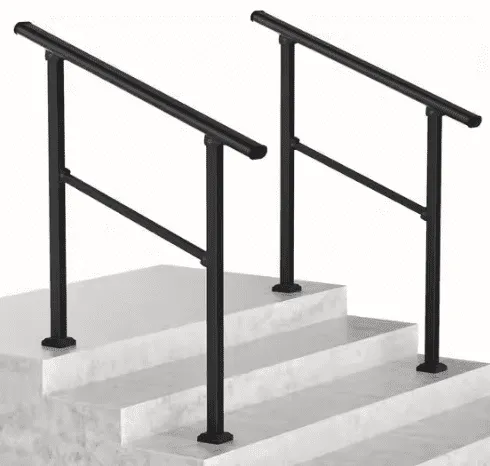
Do cable railings meet the four inch sphere rule?
Yes, when cable spacing and tension are specified together. The wire can be placed at 3 inches on center, but low tension can let the middle cable deflect far enough to admit a probe under real hand pressure. The code requirement is not just a spacing number; it is a deflection limit. Post spacing, cable diameter, and initial tension all change the result. If those values are not set at order time, the installer can end up with a compliant layout on paper and a springy line in the field.
How Should You Specify a View-First Cable or Glass Railing Package?
Start from the worst load case, not from the photo. Write down railing length, post centers, wind exposure, occupancy type, and whether the edge overlooks a pool, stair, or balcony. Then set the infill expectation: stainless cable for the least material in the sightline, glass for a continuous surface that stops wind and spray. From there, specify the post schedule and hardware instead of letting the quote assume standard details. Many view focused projects go wrong when the owner approves a picture and the supplier prices a frame that does not match the structural condition.
Specifying a view-first railing without checking post spacing, infill deflection, and maintenance path usually produces a quote that does not match the build. We review cable and glass railing packages by load case, not by product line alone. Send your project drawings, railing footage, and wind exposure notes to sales01@yulongkeji-ch.com or call +8619086315193. One of our engineers will confirm the appropriate infill type, post schedule, and code path so your bill of materials matches the install instead of forcing field changes.
What Do Buyers Ask About Cable Railing vs Glass Railing?
Which railing looks better from inside the house?
Cable railing usually holds the edge when viewed from inside because the horizontal wires fall below the main sightline from a seated position and read as a light pattern rather than a panel. Glass reflects light on bright days and can show cleaning marks more clearly from indoor seating angles. The difference becomes larger in rooms with daylight coming toward the glass. Neither is objectively better, but if the goal is to make the railing disappear from a living room view, cable is the cleaner opening.
Does glass railing need too much cleaning near a pool?
Poolside glass does not have to be a maintenance burden, but it often becomes one when irrigation or pool water carries minerals. Hard water spots appear within days and are far more visible on glass than on wire. If the pool uses softened water or the site has no sprinkler overspray, cleaning can stay at a manageable weekly wipe. If water quality is hard and the panels face direct sun, glass will need more labor to keep the view intact. Cable railing avoids mineral spotting almost entirely, while still meeting pool guard requirements when spaced and tensioned correctly.
Which system handles high wind better on a rooftop terrace?
It depends on how the wind reaches the railing. Glass panels act as a continuous wind sail, so post embedment, base connections, and glass thickness must grow with exposure. Cable systems shed most wind through open space, but the cables transfer tension to end posts and corner anchors. On a rooftop terrace with strong prevailing wind, cable is usually easier to detail because the total pressure on the guard face is lower. For clients who want a wind screen as part of the railing, glass is the practical choice despite the heavier structure.
Is cable railing safe for children and pets?
Safety depends less on cable and glass and more on spacing, tension, and the guarded edge condition. A properly tensioned cable system with 3 inch wire centers prevents a small child from passing through, but low tension or sloppy post spacing creates a gap that flexes open under load. Tempered glass closer also meets the infill requirement while giving a pet no paw hold. If your project includes a specific child safety or pet escape concern, share your layout and guarded edge details with sales01@yulongkeji-ch.com and we will confirm the right rail spacing, post schedule, and infill before you commit.
If you’re interested, check out these related articles:
Round Aluminum & Galvanized Steel Fence Posts: Ultimate Guide
Selecting the Right Aluminum Driveway Gate for Durability
Stainless Steel Vertical Cable Railing: Design, Specs, & Factory Pricing Guide
Steel Fence vs Wrought Iron: Modern Options for Durable Fencing