
Swimming pools demand barriers that actually work. After years of watching projects succeed or fail based on fencing decisions, the pattern becomes clear: compliance isn’t just paperwork, and material quality isn’t just marketing. The difference between a steel pool fence that protects families for decades and one that becomes a liability shows up in the details—the galvanization thickness, the gate mechanism precision, the supplier’s willingness to stand behind their product. This piece walks through what matters when selecting steel pool fencing, from navigating safety codes to evaluating manufacturers who can deliver on their promises.
Why Steel Pool Fence Safety Codes Exist
Steel pool fence safety codes serve a purpose that goes beyond bureaucratic box-checking. These regulations emerged from preventable tragedies, designed specifically to create effective barriers that keep young children away from water when supervision lapses. For project managers and developers, understanding this context transforms compliance from an obligation into a design principle.
The regulatory landscape layers international standards over local requirements. ASTM F2281 and ASTM F964 establish baseline performance criteria for residential pool barriers, covering everything from structural strength to gate operation. Local building codes then add jurisdiction-specific requirements—sometimes stricter fence height regulations, particular latching standards, or unique permit processes. The interaction between these layers means that meeting one standard doesn’t guarantee meeting all applicable requirements.
| Standard/Regulation | Key Focus Areas | Typical Requirements |
|---|---|---|
| ASTM F2281 | Performance of Residential Pool Barriers | Strength, rigidity, non-climbable features, gate operation |
| ASTM F964 | Fences for Swimming Pools, Hot Tubs, Spas | Material specifications, installation, maintenance |
| ICC Building Codes | General Safety & Construction | Barrier height, gate access, gap limitations |
| Local Ordinances | Site-Specific Adaptations | Permit processes, inspection frequencies, aesthetic rules |
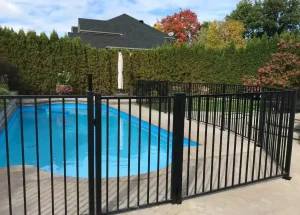
What is the required height for a steel pool fence?
Most jurisdictions mandate a minimum of 48 inches (approximately 1.2 meters) measured from finished ground level to the barrier top. Some regions push this to 60 inches (1.5 meters) or higher. The variation matters enough that checking with local authorities before finalizing specifications is essential—permit approvals and inspection outcomes depend on meeting the exact requirements for your location.
Components That Make a Steel Pool Fence System Compliant
Height alone doesn’t create a compliant barrier. The gate system carries equal weight in the safety equation. Self-latching mechanisms must engage automatically when the gate closes, and self-closing hinges need to pull the gate shut without manual assistance. Gates that swing outward, away from the pool, prevent a child from pushing through toward the water.
The fence structure itself must eliminate climbing opportunities. Horizontal members that could serve as footholds fail inspection. Vertical picket spacing must prevent small bodies from squeezing through—typically requiring gaps no wider than four inches. Ground clearance limits prevent crawling underneath. These requirements work together as a system, and weakness in any component compromises the whole barrier.
How to Evaluate Steel Pool Fence Suppliers
The supplier selection process determines whether your steel pool fence delivers on its specifications over time. Price comparisons tell only part of the story. A manufacturer’s reputation, quality control processes, and certification portfolio reveal more about what you’ll actually receive.
Start with certifications. ISO 9001 certification indicates consistent production processes. ASTM or ICC product certifications confirm that the fencing meets specific performance benchmarks through third-party testing. Material certifications verify steel composition and strength. These documents provide evidence that a manufacturer’s claims about quality have been independently validated.
Beyond paperwork, assess the practical aspects of working with a supplier. Warranty provisions signal confidence in product durability. Lead times affect project scheduling. Customization capabilities determine whether the fencing can meet site-specific requirements. Customer support quality becomes relevant when questions arise during installation or when issues need resolution years later.
Production Capabilities That Affect Steel Pool Fence Quality
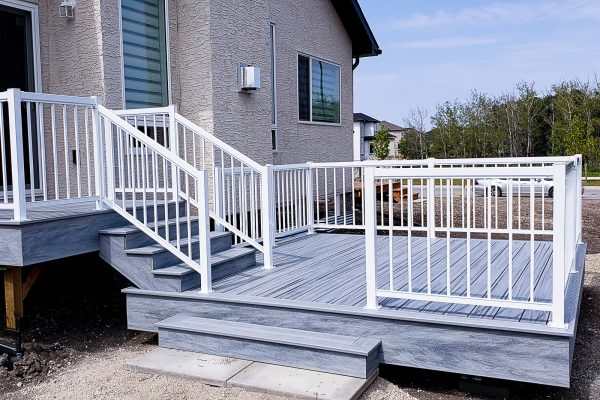
Manufacturing technology directly influences the consistency and durability of steel pool fencing. Automated production lines reduce variation between units, ensuring that each fence panel meets the same specifications. This matters because inconsistent manufacturing creates weak points that may not become apparent until years after installation.
Surface treatment technology deserves particular attention. Hot-dip galvanization creates a metallurgical bond between zinc and steel that provides foundational corrosion protection. The galvanization thickness and uniformity affect how long this protection lasts. Powder coating quality—including adhesion, thickness, and UV resistance—determines whether the finish maintains its appearance and protective function over time.
Welding techniques influence structural integrity at connection points, often the first areas to show fatigue or corrosion. Suppliers who can explain their welding processes and quality control measures demonstrate the technical depth that translates into durable products.
Material Science Behind Durable Steel Pool Fencing
The longevity of steel pool fencing depends on how well the material resists the combined assault of moisture, chlorine exposure, UV radiation, and temperature cycling. Understanding the protective treatments helps explain why some fences last decades while others deteriorate within years.
Hot-dip galvanization immerses steel in molten zinc at temperatures around 450°C (840°F). This process creates an alloy layer at the steel-zinc interface, followed by progressively purer zinc layers toward the surface. The resulting protection works through two mechanisms: the zinc coating physically shields the steel from corrosive elements, and zinc’s electrochemical properties cause it to sacrifice itself to protect the underlying steel even where the coating gets scratched.
Powder coating adds a second protective layer while providing color and finish options. Quality powder coatings resist UV degradation, preventing the chalking and fading that diminish appearance over time. The coating also creates a barrier against moisture and chemicals that might otherwise attack the galvanized layer beneath.
| Steel Treatment Method | Primary Benefit | Corrosion Resistance | UV Stability | Maintenance |
|---|---|---|---|---|
| Hot-Dip Galvanization | Superior Rust Protection | Excellent | Good | Low |
| Powder Coating | Aesthetic & Durability | Excellent | Excellent | Very Low |
| Zinc Steel | Combined Protection | Outstanding | Outstanding | Minimal |
Installation Practices That Determine Steel Pool Fence Performance
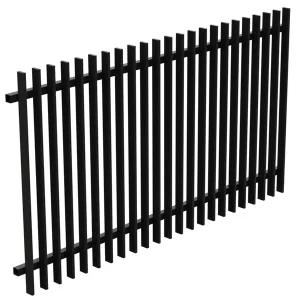
Even superior materials fail when installation goes wrong. The gap between a fence that passes inspection and one that actually protects people often comes down to installation details that aren’t immediately visible.
Post-setting depth establishes the foundation for everything else. Posts set too shallow shift over time, creating gaps at ground level and misaligning gates. The appropriate depth depends on soil conditions and local frost lines—factors that experienced installers account for but DIY approaches often miss.
Gate alignment requires precision. Self-closing hinges only work properly when installed at the correct angle. Self-latching mechanisms need proper striker plate positioning. A gate that almost closes or almost latches provides almost no protection.
Panel spacing and ground clearance must remain consistent across the entire installation. Uneven terrain creates challenges that require adjustment rather than ignoring. Professional installers recognize these situations and address them; inexperienced installers often don’t notice until inspection reveals the problem.
Long-Term Value of Quality Steel Pool Fencing
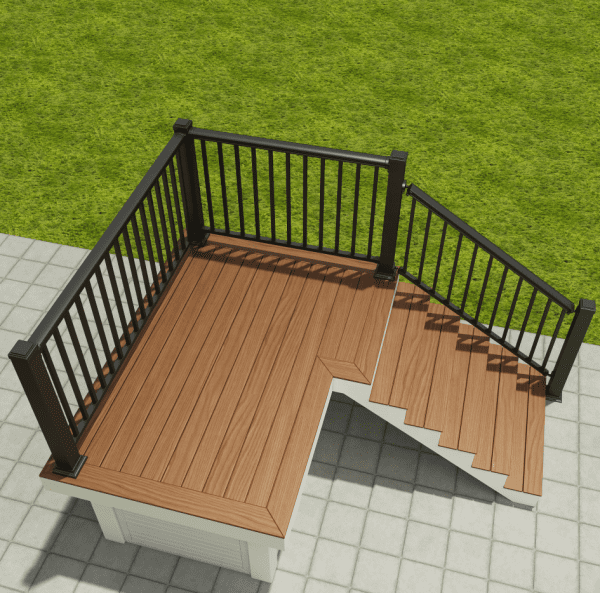
The initial cost of steel pool fencing represents only part of the total investment. Quality differences compound over time, affecting maintenance costs, replacement timing, and property value.
Durable finishes and robust construction reduce the maintenance burden. Fences that resist corrosion and UV degradation don’t require the repainting, rust treatment, or component replacement that lower-quality products demand. Over a 20-year ownership period, these maintenance savings often exceed the initial price difference between quality levels.
Property value responds to both safety and aesthetics. A well-maintained steel pool fence signals responsible ownership and adds to curb appeal. Insurance considerations also favor compliant, robust barriers—some policies offer premium reductions for properties with code-compliant pool fencing.
The safety value resists quantification but matters most. A barrier that actually prevents unsupervised pool access provides protection that no amount of cost savings can replace.
Partner with Hubei Yulong for Superior Fencing Solutions
Hubei Yulong’s steel and aluminum fencing systems combine automated production precision with advanced surface treatment technologies. Our manufacturing processes deliver consistent corrosion resistance and weather durability while meeting strict safety code requirements. We provide solutions for residential, commercial, and municipal applications where safety and appearance both matter. Contact us at +8619072006155 or yloongfence@gmail.com to discuss your project requirements.
How often should a steel pool fence be inspected for compliance?
Annual professional inspections catch issues before they become safety hazards. Between professional visits, property owners should check gates, latches, posts, and panels monthly for signs of wear, damage, or misalignment. Some jurisdictions mandate specific inspection frequencies. Proactive maintenance keeps the fence compliant and functional rather than waiting for problems to become obvious.
What specific material treatments enhance steel pool fence durability?
Hot-dip galvanization provides the foundational corrosion protection, creating a zinc layer that bonds metallurgically with the steel substrate. Multi-layer powder coating adds UV resistance and additional corrosion protection while providing color options. The combination of these treatments creates a system where each layer compensates for potential weaknesses in the others, extending service life significantly beyond untreated or minimally treated steel.
Can steel pool fences be customized to fit unique property designs?
Reputable manufacturers offer customization across multiple dimensions: height variations, design patterns, color selections, and gate configurations. This flexibility allows steel pool fencing to complement property aesthetics while meeting all applicable safety requirements. Discussing specific site conditions and design preferences with a supplier early in the process ensures the final product fits both the space and the regulations.
What are the common pitfalls to avoid when selecting a pool fence supplier?
Overlooking certification verification tops the list. Manufacturers who claim quality without third-party validation may not deliver consistent products. Neglecting to investigate production capabilities and material treatments leads to surprises after installation. Ignoring warranty terms creates problems when issues arise years later. Prioritizing initial cost over proven quality and compliance often results in higher total costs through maintenance, replacement, and liability exposure.
How do steel pool fences contribute to property value and safety?
A code-compliant steel pool fence addresses the primary safety concern—preventing unsupervised access to the pool area—while adding a durable, attractive feature to the property. The combination of safety function and aesthetic contribution increases property value. Reduced liability exposure and potential insurance benefits add financial value beyond the visible improvements. Quality construction and finishes ensure these benefits persist over the fence’s service life.
If you’re interested, check out these related articles:
YLOONG Solutions: Engineered for Security, Designed for Performance