
Pool fencing decisions carry weight that goes beyond aesthetics. After working through dozens of installations and seeing what holds up over time, the gap between compliant fencing and truly effective barriers becomes obvious. Aluminum pool fences sit at the intersection of durability, safety compliance, and visual appeal—but only when specified correctly. The details matter: gate mechanisms, height requirements, coating quality, and supplier reliability all determine whether a fence performs its primary function of keeping children safe while standing up to years of pool-environment exposure.
Why Pool Barrier Regulations Exist and What They Actually Require
National and local pool safety codes exist for one reason: preventing unsupervised access, particularly by young children. These regulations establish minimum requirements for pool barrier compliance, and treating them as suggestions rather than mandates creates both legal liability and genuine safety risks.
ASTM F1908 serves as the primary standard for residential pool barriers in North America. It defines structural and operational parameters that effective child safety fences must meet. Regional building codes like BOCA and NSPF guidelines layer additional requirements on top of this foundation. The specifics vary by jurisdiction, but the core principles remain consistent: barriers must be tall enough, gates must close and latch automatically, and designs must prevent climbing.
| Standard/Code | Focus Area | Key Requirements | Applicability |
|---|---|---|---|
| ASTM F1908 | Residential Pool Barriers | Minimum height, gate self-closing/latching, non-climbable features | Primarily North America |
| BOCA National Building Code | General Building Safety | Pool enclosure specifications, gate hardware | Various U.S. jurisdictions |
| NSPF Guidelines | Pool & Spa Safety | Barrier design, access control, supervision | Educational & Best Practice |
Regional Height Requirements Vary More Than Most People Expect
Pool fence height requirements differ significantly across jurisdictions. Most regulations mandate a minimum fence height of 48 inches from finished grade to the top of the fence. Some regions with stringent child safety laws push this to 60 inches or higher.
The reasoning behind these specific fence height requirements is straightforward: they prevent young children from scaling the barrier. A 48-inch fence stops most toddlers and young children. A 60-inch fence provides additional margin against older, more capable climbers.
Consulting local building codes before ordering materials saves headaches. The minimum pool fence height applicable to your project location may differ from neighboring jurisdictions, and non-compliant installations often require costly modifications.
Gate Mechanisms and Non-Climbable Design Make the Difference
Height alone does not create an effective child safety fence. The gate system and overall design carry equal weight.
Self-closing gates must automatically return to a closed position after use. This eliminates the human error factor—someone forgetting to close the gate behind them. Self-latching gates complement this by automatically engaging a secure latch when closed.
Gate latch requirements typically specify that the release mechanism sits on the pool side of the gate, at a height inaccessible to young children. Most codes require at least 54 inches from the bottom of the gate to the latch release.
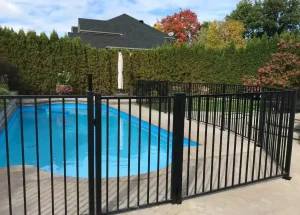
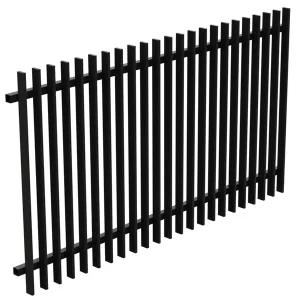
The fence design itself must be non-climbable. Horizontal members that could serve as footholds are prohibited in most jurisdictions. Spacing between vertical pickets must be narrow enough to prevent a child from squeezing through—typically no more than 4 inches. Proper gate placement, positioned away from the immediate pool area, adds another layer of protection.
Aluminum Outperforms Other Materials in Pool Environments
Material selection determines long-term performance and maintenance burden. Aluminum offers distinct advantages over steel, vinyl, and wood in pool enclosure applications.
The pool environment is harsh. Humidity, chlorinated water splash, and in coastal areas, salt air all attack fencing materials. Aluminum’s inherent corrosion resistance handles these conditions without the extensive maintenance steel requires. The oxide layer that forms naturally on aluminum surfaces protects the underlying metal, unlike iron-based materials that rust progressively.
Powder-coated aluminum takes this further. The coating provides UV protection for fences, preventing color fade and surface degradation from sun exposure. Quality powder coating also adds another barrier against moisture and chemical exposure.
| Feature | Aluminum | Steel | Vinyl |
|---|---|---|---|
| Corrosion Resistance | Excellent | Poor (without coating) | Excellent |
| Maintenance | Low | High (rust prevention) | Low |
| Durability | High | High | Moderate |
| Aesthetic Versatility | High | Moderate | Moderate |
| Cost (Initial) | Moderate to High | Low to Moderate | Moderate |
| UV Stability | Excellent (with coating) | Good (with coating) | Good (can fade) |
Zinc steel fencing offers a strong alternative with good corrosion resistance when properly galvanized. However, aluminum’s natural resistance to corrosion typically provides a longer service life with less upkeep, particularly in high-moisture environments.
Evaluating Suppliers Beyond Price and Lead Time
Selecting a reputable aluminum pool fence supplier affects safety, longevity, and aesthetic integration. Price comparisons miss the point if they ignore manufacturing quality and quality control fencing protocols.
Key evaluation criteria include manufacturing processes, quality assurance systems, product certifications, and customer service capabilities. A supplier demonstrating transparency in these areas typically delivers superior products. Vague answers about coating thickness, alloy composition, or testing procedures signal potential quality issues.
Manufacturing Quality Shows in the Details
A supplier’s manufacturing capabilities directly influence product quality. Automated production lines ensure precision and consistency in every component, minimizing the dimensional variations that cause installation problems.
Surface treatment technology matters enormously for pool fence applications. Multi-stage powder coating processes create corrosion-resistant coatings with superior adhesion and durability. The preparation steps before coating—cleaning, etching, and priming—determine how well the finish bonds to the aluminum substrate.
Quality control measures should include material inspection at receipt, in-process checks during fabrication, and final product testing before shipment. Product certifications from independent testing bodies validate these quality assurances with third-party verification.
Professional Installation Versus DIY Approaches
DIY pool fence options can reduce costs, but they demand thorough understanding of local building codes, precise measurements, and proper tool usage. Incorrect installation compromises safety and leads to non-compliance—problems that inspectors catch and require correction.
Professional fence installation services represent a higher initial investment but ensure the fence meets installation guidelines and local safety regulations. Professionals handle complex terrain, ensure proper gate operation, and provide documentation for inspections.
The cost of aluminum pool fences varies based on installation method. Prioritizing safety and compliance should guide this decision rather than pure cost minimization.
Maintenance Keeps Fences Safe and Attractive
Consistent maintenance preserves both safety function and aesthetic appeal. Aluminum fences require less attention than most alternatives, but they are not maintenance-free.
Regular cleaning prevents buildup of dirt, grime, and environmental pollutants that can degrade finishes over time. A wash with mild soap and water handles most cleaning needs. Harsh chemicals and abrasive scrubbing damage powder coatings.
Periodic inspection of pool fences catches problems before they become safety issues. Check for loose fasteners, damaged pickets, and wear on gate hinges and latches. Self-closing mechanisms need occasional adjustment to maintain proper tension. Self-latching hardware requires verification that the latch engages reliably.
Addressing minor repairs promptly—tightening screws, replacing small components—prevents larger problems and extends fence lifespan. Quality surface treatments contribute to self-cleaning performance, reducing maintenance frequency while ensuring sustained durability.
Long-Term Value Justifies Higher Initial Investment
The initial cost of aluminum pool fences exceeds some alternative materials. The long-term economics tell a different story.
Durable aluminum fencing requires minimal maintenance, reducing ongoing costs for repairs, repainting, and replacement. Steel fences need regular rust treatment and eventual recoating. Wood fences demand staining, sealing, and eventual replacement of rotted components. Aluminum avoids these recurring expenses.
This translates into favorable pool fence ROI over the fence’s lifespan. Enhanced residential pool safety provides value that resists quantification—preventing accidents matters more than any financial calculation. Some insurance providers offer premium reductions for compliant pool barriers, adding another financial benefit.
Well-maintained aluminum fencing can increase property value. Buyers recognize quality materials and proper safety compliance, making compliant fencing a sound investment for both residential and commercial pool fencing solutions.
Design Flexibility Serves Both Residential and Commercial Applications
Aluminum pool fences contribute to enhanced property aesthetics beyond their safety function. The material’s versatility allows for custom fence designs that complement diverse architectural styles.
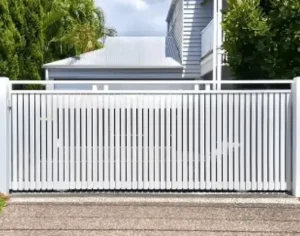
Available colors and finishes range from traditional black and bronze to contemporary whites and grays. Powder coating technology enables color matching to existing structures or landscape elements. Profile options include ornamental designs with decorative finials, clean contemporary lines, and privacy-oriented configurations.
For residential communities fencing, aluminum provides a unified aesthetic across multiple properties while meeting safety requirements. Commercial developments fencing benefits from the same durability and design flexibility at larger scales.
The clean lines and durable finishes of quality aluminum fencing remain attractive for years, contributing positively to curb appeal without the weathering and degradation that affect lesser materials.
Working with Hubei Yulong for Pool Fencing Projects
Hubei Yulong Building Materials Co., Ltd. manufactures aluminum and zinc steel fencing systems with focus on urban safety protection and environmental beautification. Automated production, advanced surface treatments, and stringent quality control produce products with excellent corrosion resistance, strong weather durability, and long service life.
For compliant, durable, and aesthetically superior pool fencing, contact us for consultation or to explore our product range.
Email: sales01@yulongkeji-ch.com
Phone: +8619086315193
What are the primary safety standards for aluminum pool fences?
ASTM F1908 serves as the primary standard for residential pool barriers, covering fence height, gate self-closing and self-latching mechanisms, and non-climbable designs. Local building codes such as BOCA and NSPF guidelines add jurisdiction-specific requirements. Compliance with both national standards and local codes ensures child safety around pools and avoids legal liability.
How do I determine the correct height for my aluminum pool fence?
Local and state regulations determine the correct height, and these requirements vary by jurisdiction. Most areas require a minimum fence height of 48 inches from ground to fence top. Some regions require 60 inches. Consulting your local building authority or a certified professional before ordering materials ensures compliance with specific fence height requirements in your area.
What features should I prioritize when choosing an aluminum pool fence supplier?
Prioritize suppliers with proven manufacturing quality, including automated production lines and advanced surface treatment technology for superior corrosion resistance. Look for self-closing and self-latching gate systems, documented adherence to safety standards, and track records demonstrating long service life. Quality control transparency and responsive customer support indicate suppliers who stand behind their products.