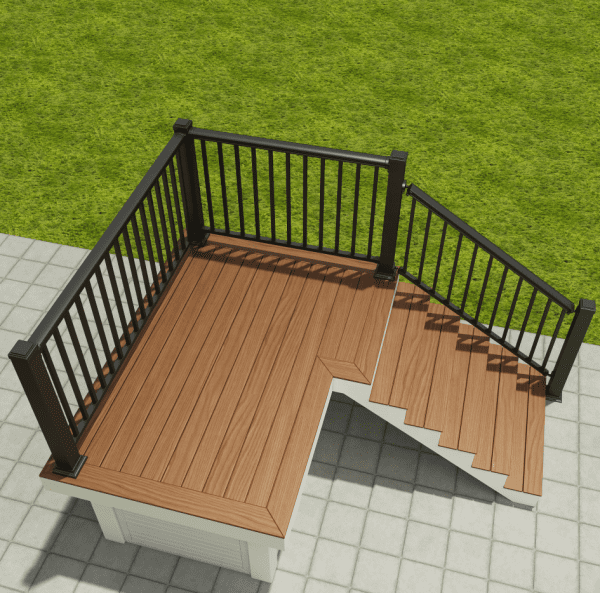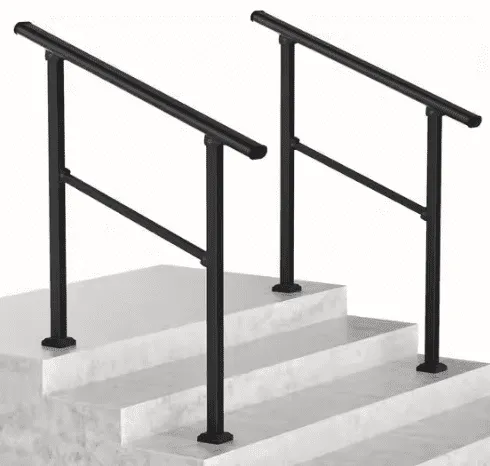
Pairing cable railing with wood posts creates something genuinely appealing — that clean, modern line of stainless steel against the grain and texture of natural timber. It’s a combination that works in ways purely metal or purely wood systems often don’t. But getting it right means understanding how these two materials interact under tension, how environmental factors affect each component differently, and where the engineering details actually matter. The visual payoff is real, but so are the technical demands.
Why System Type Matters More Than Most People Realize
Choosing a cable railing system for wood posts isn’t just about aesthetics — it’s about how forces distribute through the structure over time. Face-mounted systems attach hardware directly to the post’s exterior surface, spreading tension across a broader area of wood grain. Post-mounted systems drill through the post itself, anchoring tensioning mechanisms internally for a cleaner visual profile. Each approach handles load differently, and the right choice depends on your post dimensions, wood species, and how much deflection you’re willing to accept.
The cable material question — stainless steel versus Aluminum Balcony Railing — comes down to environment and longevity expectations. Stainless steel, particularly 316L marine-grade, handles salt air and humidity without the surface degradation that cheaper alloys show within a few seasons. Aluminum systems work well in milder conditions and offer weight advantages, but they won’t match stainless performance where corrosion pressure is constant.
Cable diameter affects both strength and visual density. The 1/8-inch cables create a more open, airy feel; 3/16-inch cables read as more substantial and reduce the perceived transparency. Tensioning mechanisms need to maintain cable tautness indefinitely — sagging cables aren’t just an aesthetic problem, they’re a code violation waiting to happen.
Getting the Wood Right From the Start
The posts themselves deserve more attention than they typically receive. Pressure-treated lumber resists rot, decay, and insect damage through chemical treatment, making it the practical baseline for most installations. Hardwood posts for railing — cedar, redwood, ipe — bring natural durability and distinctive character, often requiring less chemical intervention while delivering better long-term performance in exposed conditions.
Post sleeves add another layer of wood post protection, particularly valuable where posts meet decking or contact soil-adjacent areas. These sleeves shield the most vulnerable sections from moisture accumulation and UV degradation.
Post spacing for cable railing directly affects how much the cables deflect under load. Closer spacing — typically 4 feet or less — keeps cables tighter and reduces that slight bow you see when someone leans against a railing. Wider spacing saves on materials but increases deflection, which can push you toward code compliance issues if the gap between cables exceeds allowable limits.
The Numbers That Actually Matter
Cable railing specifications exist for good reasons, and ignoring them creates problems that show up years after installation. Cable gauge for residential applications typically runs 1/8″ to 3/16″ diameter — thinner cables require closer spacing to maintain strength, while thicker cables allow slightly wider intervals. Railing post spacing must prevent a 4-inch sphere from passing through the cable infill at any point, which is the standard test for child safety compliance.
Proper cable tensioning tools aren’t optional equipment. Hand-tightening produces inconsistent results and almost always leaves cables too loose. The recommended tension — usually specified by the hardware manufacturer — keeps cables taut enough to meet guardrail load requirements while avoiding the over-tensioning that can bow wood posts inward over time.
Cable railing code compliance varies by jurisdiction, but the underlying principles remain consistent: adequate height (typically 36″ for residential decks, 42″ for commercial applications), sufficient infill density, and load-bearing capacity that handles both static and dynamic forces.

Meeting Code Requirements Without the Guesswork
Getting your cable railing system with wood posts through inspection requires documentation and verification, not assumptions. Start with your local building department — railing permit requirements differ significantly between municipalities, and what passes in one jurisdiction may fail in another.
The International Residential Code and International Building Code provide baseline standards for guardrail height, infill spacing, and structural capacity. These codes specify that railings must withstand 200 pounds of concentrated force applied at any point along the top rail, plus distributed loads across the infill area.
Working with a qualified installer or structural engineer adds cost but eliminates the expensive corrections that come from failed inspections. Schedule inspections at key stages — post installation, cable tensioning, final completion — rather than waiting until everything is finished. Discovering a problem after the deck furniture is in place makes remediation significantly more disruptive.
If you’re interested, check 《YLOONG Solutions: Engineered for Security, Designed for Performance》.
Stainless Steel Versus Aluminum: The Real Trade-offs
The hardware material decision shapes both performance and budget. Stainless steel cable railing hardware, especially marine-grade 316L, delivers corrosion resistance that holds up in coastal environments where salt spray attacks metal surfaces constantly. The chromium and molybdenum content in 316L creates a self-healing oxide layer that resists pitting and crevice corrosion — the failure modes that destroy lesser alloys.
Aluminum cable railing fittings weigh less, cost less, and adapt well to powder coated aluminum finishes that expand color options beyond metallic tones. The powder coating adds weather durability and allows visual customization that stainless steel can’t easily match. But aluminum’s corrosion resistance, while good, doesn’t approach stainless performance in marine conditions. Within a few miles of saltwater, the cost savings on aluminum hardware often disappear into replacement and refinishing expenses.
Understanding the Practical Differences
Durability of railing materials shows up in maintenance requirements and replacement cycles. Stainless steel needs occasional cleaning but rarely requires refinishing or component replacement in normal conditions. The cost of stainless steel railing reflects this longevity — higher upfront investment, lower lifetime cost in demanding environments.
Aluminum railing maintenance involves periodic inspection of powder coating integrity and touch-up where chips or scratches expose bare metal. The lighter weight simplifies installation and reduces structural demands on supporting posts. For inland locations with moderate humidity, aluminum systems perform well for decades with basic care.
Aesthetically, stainless steel reads as industrial-modern, with that distinctive metallic sheen that catches light differently than painted surfaces. Aluminum’s powder coating options — blacks, bronzes, whites, custom colors — integrate more easily with varied architectural styles and allow the hardware to recede visually while the cables and wood posts take center stage.
Installation Details That Determine Long-Term Performance
The difference between a cable railing that looks good for twenty years and one that starts sagging within five often comes down to installation practices. For DIY cable railing installation, structural soundness of wood posts is the foundation — literally. Posts need secure anchoring into framing or footings that can handle the cumulative tension of multiple cables pulling inward.
Tensioning tools designed for cable railing produce consistent results across all cables, eliminating the uneven appearance that hand-tightening creates. Professional railing installation tips emphasize pre-drilling holes with precision jigs rather than freehand drilling, which tends to produce misaligned cable runs that look sloppy and create uneven wear.
Where cables pass through wood posts, protective sleeves or grommets prevent the cable from cutting into the wood over time. This friction point concentrates stress and accelerates wear on both materials — a small detail that prevents significant problems.
Regular cable railing maintenance involves cleaning cables and hardware with mild soap and water, removing the dirt, pollen, and salt deposits that promote corrosion. Check tension seasonally, particularly after temperature swings that cause wood expansion and contraction. Retensioning takes minutes and maintains both appearance and safety.

Matching Wood Species to Performance Requirements
The wood post type you select affects everything from initial cost to maintenance burden to visual character. Pressure-treated pine posts offer economy and reliable rot resistance through chemical treatment — the practical choice for budget-conscious projects where appearance matters less than durability.
Cedar posts cable railing brings natural decay resistance without chemical treatment, plus that distinctive aroma and warm reddish-brown tone that weathers to silver-gray over time. Cedar’s natural oils repel insects and resist moisture penetration, though the wood is softer than some alternatives and may show wear more readily.
Redwood posts for railing represent the premium option — exceptional natural durability, rich color that deepens with age, and resistance to both rot and insects that rivals or exceeds treated lumber. The cost reflects the quality, but redwood’s structural integrity wood posts handles cable tension without the warping or checking that affects lesser species.
Whatever species you choose, the wood must possess sufficient density and grain structure to withstand the sustained inward pull of tensioned cables. Soft, fast-growth lumber may look adequate initially but can bow noticeably within a few years as the cables slowly compress the wood fibers.

From Concept to Completed Installation
Ordering a cable railing system starts with accurate measurement and clear design intent. Determine railing height based on code requirements and aesthetic preference — the standard 36″ residential height feels lower than many people expect, while 42″ commercial height provides more substantial visual presence.
Post spacing drives material quantities and affects both cost and appearance. Measure linear footage carefully, accounting for corners, stairs, and any sections where post placement must accommodate existing structural elements. Stair sections require angled hardware and careful calculation of cable lengths.
Custom cable railing orders accommodate non-standard configurations — curved runs, unusual heights, specific finish requirements. Cable railing kits simplify straightforward installations by bundling compatible components with appropriate quantities of hardware, cables, and tensioning mechanisms.
When evaluating railing system suppliers, look for comprehensive support through project planning railing phases, not just order fulfillment. Confirm shipping cable railing logistics and delivery timelines before committing — delays in component arrival can stall entire construction schedules.
Working With Hubei Yulong
Cable railing systems that integrate properly with wood posts require both material quality and engineering precision. Hubei Yulong Environmental Protection Building Materials Technology Co., Ltd. manufactures aluminum and zinc steel fencing solutions designed for this kind of integration — automated production lines ensure consistency, while advanced surface treatments deliver the corrosion resistance and weather durability that outdoor installations demand.
Custom railings for wood post applications draw on manufacturing capabilities that accommodate varied specifications and design requirements. The focus on urban safety and beautification translates into products engineered for residential, commercial, and municipal projects where both performance and appearance matter.
Reach the team at +8619072006155 or yloongfence@gmail.com to discuss specific project requirements and explore how these railing systems fit your application.
Frequently Asked Questions About Cable Railing with Wood Posts
What is the typical lifespan of a cable railing system installed with wood posts?
With quality materials and proper maintenance, cable railing systems on wood posts commonly last 20-30 years or longer. The metal components — stainless steel or aluminum hardware and cables — often outlast the wood posts themselves. Climate exposure, maintenance consistency, and initial material quality all influence actual service life. Coastal installations face more aggressive corrosion pressure than inland locations, making marine-grade stainless steel worth the premium in those environments.
Can I install cable railing on existing wood deck posts, or do I need new ones?
Existing posts may work if they meet structural requirements, but assessment is essential before proceeding. Posts must handle sustained cable tension without bowing, which requires adequate cross-section dimensions and sound wood condition. Check for rot, insect damage, checking, and any signs of structural compromise. Many existing deck posts were sized for traditional baluster infill, not the concentrated loads that cable tensioning creates. A structural engineer or experienced installer can evaluate whether reinforcement, replacement, or modification is necessary.
What are the common mistakes to avoid when installing cable railing with wood posts?
The most frequent problems involve inadequate post strength, inconsistent cable tension, and improper hardware selection for the environment. Posts spaced too far apart allow excessive cable deflection. Using standard stainless steel instead of marine-grade in coastal areas leads to corrosion failures within a few years. Drilling techniques that split or weaken posts create structural vulnerabilities. Skipping code verification results in failed inspections and costly corrections. Taking time for proper planning, using manufacturer-specified tensioning procedures, and understanding local requirements prevents most of these issues.