
Choosing fence material means weighing how something looks against how long it will hold up and what you will actually spend over the years. Wrought iron carries a certain weight, both literally and in terms of reputation. But ornamental steel has quietly become a serious contender, and the numbers behind each option tell a more interesting story than most people expect.
What Wrought Iron Actually Offers
Wrought iron fencing shows up in front of older estates and historic buildings for a reason. The material has a density and hand-forged character that modern manufacturing cannot quite replicate. Each piece carries visible evidence of the blacksmith’s work, and that authenticity appeals to property owners who want their fence to feel like it belongs to a particular era.
The material itself is an iron alloy with very low carbon content. That composition gives wrought iron its malleability, allowing craftsmen to bend and shape it into elaborate scrollwork and decorative patterns. The same low carbon content, however, makes the metal vulnerable to oxidation. Without consistent attention, rust will form and spread.
Maintaining a wrought iron fence means regular inspections, wire brushing to remove rust spots, and repainting every few years. Some owners apply specialized rust treatments between paint cycles. The fence rewards this effort with remarkable longevity. A well-maintained wrought iron fence can last 60 years, and many have survived more than a century with proper care.
| Feature | Wrought Iron |
|---|---|
| Material | Low carbon iron alloy |
| Appearance | Classic, hand-forged aesthetic |
| Weight | Very heavy |
| Corrosion | Highly susceptible to rust |
| Maintenance | High (regular painting, rust removal) |
| Durability | Excellent, with proper care |
| Design Options | Highly customizable, intricate detailing |
| Installation | Labor-intensive, specialized skills needed |
How Ornamental Steel Changed the Equation
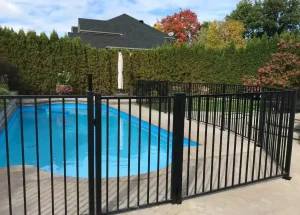
Ornamental steel fencing emerged as manufacturers figured out how to combine the look of traditional ironwork with modern corrosion protection. The process starts with galvanized steel, which undergoes hot-dip zinc coating. The zinc bonds to the steel surface and creates a barrier that prevents moisture from reaching the base metal.
Powder coating adds another layer of defense. Workers apply dry powder to the galvanized surface, then cure it under heat. The result is a hard finish that resists chipping, fading, and scratching far better than traditional paint. This multi-layered protection system means ornamental steel fencing typically lasts 20 to 30 years with minimal maintenance, usually just occasional cleaning with soap and water.
The lighter weight of ornamental steel compared to wrought iron simplifies installation considerably. Crews can handle longer sections without specialized equipment, and the pre-fabricated panels arrive ready to install. Modern manufacturing techniques have expanded design options to include everything from simple picket styles to elaborate patterns that closely mimic traditional wrought iron scrollwork.
For project managers and developers, understanding material advancements is key to long-term success. Explore how modern solutions enhance urban infrastructure and residential developments by reading 《YLOONG Solutions: Engineered for Security, Designed for Performance》.
The Real Numbers Behind Each Choice
Initial purchase price tells only part of the story. Wrought iron fencing costs more upfront because the material is heavy, fabrication requires skilled labor, and custom forging adds time to production schedules. Installation crews need experience working with the weight and the welding requirements.
Ornamental steel fencing generally costs less at the outset. Streamlined manufacturing processes and lighter materials reduce both production and shipping expenses. The factory-applied finishes eliminate the need for immediate post-installation treatments that wrought iron often requires.
Long-term costs reveal where ornamental steel pulls ahead. The superior corrosion resistance of galvanized and powder-coated steel means property owners spend less on repainting, rust removal, and repairs over the fence’s lifespan. Wrought iron demands ongoing investment to prevent degradation. A property owner who neglects maintenance for even a few years may face substantial restoration costs.
| Cost Factor | Wrought Iron | Ornamental Steel |
|---|---|---|
| Material Cost | High (due to specialized production) | Moderate (mass-produced, standardized) |
| Installation | High (heavy, complex fabrication) | Moderate (lighter, pre-fabricated sections) |
| Maintenance | High (frequent painting, rust treatment) | Low (occasional cleaning, durable finish) |
| Lifespan | Very long (with high maintenance) | Long (with minimal maintenance) |
| Total ROI | Lower (due to ongoing costs) | Higher (due to reduced long-term expenses) |
Aluminum and Zinc Steel Systems Push Performance Further
Beyond traditional ornamental steel, aluminum and zinc steel fencing systems represent the current edge of what is possible. Hubei Yulong Environmental Protection Building Materials Technology Co., Ltd. has focused on these materials because they address the remaining weaknesses in conventional steel fencing.
The corrosion resistance of aluminum and zinc steel systems exceeds standard galvanized steel. These materials handle salt air, industrial pollutants, and extreme weather without the gradual degradation that affects even well-protected steel over decades. Self-cleaning properties built into the surface treatments mean that rain washes away most dirt and grime, keeping the fence looking maintained with minimal effort.
Automated production lines at Hubei Yulong ensure consistent quality across large orders. Advanced surface treatment technology applies protective coatings uniformly, eliminating the weak spots that can develop with manual application. The result is fencing that performs reliably across residential communities, industrial parks, and municipal installations.
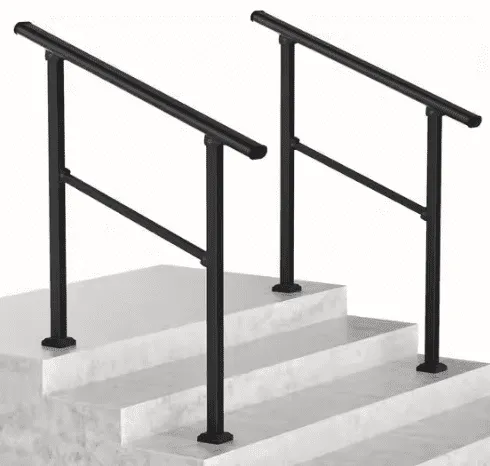
Aluminum and zinc steel fencing systems offer significantly more cost-effective and durable alternatives for security fencing compared to wrought iron. These modern materials provide comparable strength and security features but with superior corrosion resistance and drastically reduced maintenance needs. Their lighter weight also simplifies installation, further lowering project costs. Hubei Yulong’s advanced manufacturing processes ensure high-quality, long-lasting security solutions without the high expenses associated with traditional wrought iron. For instance, our Aluminum Security Fence provides robust protection with minimal upkeep.
Partner with Hubei Yulong for Superior Fencing Solutions
For architects, project managers, and developers seeking robust, aesthetically pleasing, and long-lasting fencing systems, Hubei Yulong Environmental Protection Building Materials Technology Co., Ltd. offers unparalleled expertise. Our advanced aluminum and zinc steel fencing systems are engineered for superior corrosion resistance, weather durability, and self-cleaning performance, ensuring a long service life with minimal maintenance. From municipal projects to residential communities, our solutions provide reliable urban safety and environmental beautification. Contact our specialists today to discuss your project requirements and discover how our automated production lines and advanced surface treatment technology can deliver the ideal fencing solution for your next development. Reach out to us at +8619072006155 or yloongfence@gmail.com for a professional consultation.
Frequently Asked Questions About Fencing Materials
What makes ornamental steel a better fit for most modern projects than traditional wrought iron?
Ornamental steel, particularly galvanized and powder-coated variants, handles moisture and weather exposure without the constant attention wrought iron demands. The zinc coating prevents rust from forming at the base metal level, and the powder coat finish resists chipping and fading for years. Installation goes faster because the material weighs less, and pre-fabricated sections arrive ready to mount. The aesthetic range has expanded enough that ornamental steel can match most traditional ironwork designs while costing less over the fence’s useful life. Hubei Yulong’s zinc steel systems exemplify these advantages with advanced surface treatments.
How do Hubei Yulong’s aluminum and zinc steel fencing systems contribute to environmental beautification and safety?
The surface treatments on Hubei Yulong fencing systems resist corrosion and include self-cleaning properties that let rain wash away accumulated dirt. This means fences maintain their original appearance for years without repainting or intensive cleaning. The visual consistency across a development or streetscape contributes to the overall aesthetic quality of the area. The structural strength of these materials provides genuine security, creating barriers that deter unauthorized access while meeting safety standards for residential communities, industrial parks, and municipal installations.
Can ornamental steel or aluminum fences be customized to match specific architectural requirements?
Modern ornamental steel and aluminum fencing systems accommodate extensive customization. Manufacturers like Hubei Yulong offer a range of designs, heights, and colors through powder coating options. Decorative elements can be incorporated to match specific architectural styles or corporate branding. Automated production lines handle custom specifications with precision, producing fencing that integrates seamlessly with the surrounding architecture. The flexibility extends to security features, allowing property owners to balance aesthetic preferences with functional requirements.