
Parking lots present a unique security puzzle. They’re open by design, meant to welcome vehicles at all hours, yet that same accessibility creates vulnerabilities that property managers know all too well. After years of working with commercial and residential facilities, one pattern emerges consistently: the perimeter defines everything. A well-engineered steel fence system doesn’t just mark boundaries—it shapes behavior, deters opportunistic crime, and quietly signals that a property is professionally managed.
What Parking Facilities Actually Face
The threats to parking facilities rarely announce themselves dramatically. Vehicle theft often happens in broad daylight, exploiting gaps in surveillance or poorly secured perimeters. Vandalism tends to cluster in areas with limited visibility or weak access control. Unauthorized entry—whether by individuals seeking shelter or those with more deliberate intent—creates liability concerns that keep facility managers awake at night.
Pedestrian safety adds another layer of complexity. Clear demarcation between vehicle zones and walking paths isn’t just about convenience; it’s a legal and ethical obligation. Access control systems must balance security with operational flow, allowing legitimate users through while filtering out everyone else. Commercial properties face additional pressure to meet local codes and insurance requirements, all while maintaining an environment that doesn’t feel like a fortress.
These challenges don’t exist in isolation. A comprehensive approach to car park security treats fencing infrastructure as the foundation, not an afterthought. The right steel fence system establishes the first line of defense, creating conditions where other security measures—cameras, lighting, patrols—can function effectively.
Matching Steel Fence Configurations to Real-World Demands
Choosing steel fence configurations for car parks involves trade-offs that vary by site. Security requirements, visual expectations, and budget constraints all compete for priority. Heavy-duty fencing with anti-climb features works well for high-risk environments, but may feel excessive for a neighborhood retail center. Galvanized steel fences with powder coating benefits deliver excellent corrosion resistance and color retention, though the upfront cost runs higher than basic options.
Modular fencing systems offer flexibility that rigid designs cannot match. Sites with irregular boundaries, multiple access points, or phased development benefit from components that adapt without requiring complete redesign. For areas where visibility matters—parking structures adjacent to retail, for instance—Wire Mesh Fence Panels provide robust protection while maintaining sightlines that deter hiding and improve natural surveillance.
Aesthetic considerations matter more than some security professionals acknowledge. Ornamental Steel Fence options allow commercial properties to project professionalism without sacrificing protection. The psychological effect shouldn’t be underestimated: a well-designed perimeter suggests competent management, which itself discourages certain types of crime.
Gate systems complete the picture. Automated gates handle high-volume entry points efficiently, while manual options suit lower-traffic areas. The integration between fencing and gates determines whether a system functions as a coherent whole or a collection of disconnected parts.
| Fence Type | Security Level | Aesthetics | Cost Efficiency | Key Features |
|---|---|---|---|---|
| Heavy-Duty Welded Mesh | High | Moderate | High | Anti-cut, anti-climb, robust |
| Ornamental Steel | Medium-High | High | Medium | Decorative designs, strong, customizable |
| Anti-Climb Panel Fencing | Very High | Moderate | Medium-High | Small apertures, difficult to scale |
| Galvanized Picket Fencing | Medium | Medium | High | Classic look, rust-resistant, durable |
When Maximum Protection Is Non-Negotiable
Some environments leave no room for compromise. Industrial facilities, high-value inventory storage, and properties with documented theft histories require high-security steel fences engineered specifically for resistance. Anti-cut mesh constructed from hardened steel defeats common cutting tools. Security spikes and anti-climb profiles make scaling attempts impractical and dangerous.
The construction details matter. Thicker gauge steel and reinforced posts resist physical assault that would compromise lighter systems. Weld quality, post spacing, and foundation depth all contribute to whether a fence performs as designed or fails under pressure. These commercial security fencing solutions function as both physical barriers and psychological deterrents—most intruders assess difficulty before attempting entry, and a visibly robust perimeter often redirects them elsewhere.
Balancing Security With Visual Appeal
Not every parking facility needs to project maximum security. Retail centers, office complexes, and residential developments often prioritize aesthetics alongside protection. Ornamental Metal Fence Panels serve this dual purpose effectively, offering genuine security through steel construction while contributing to property appearance.
Architectural fencing systems can integrate with landscape design, building facades, and site branding. Color options through powder coating allow coordination with existing structures. The result enhances property value rather than detracting from it—a consideration that matters significantly for commercial real estate where first impressions influence tenant decisions and customer behavior.
The Science Behind Steel That Lasts Decades
Material selection determines whether a fence investment pays off over five years or twenty-five. Galvanized steel remains the standard for outdoor parking fences because the underlying chemistry actually works. The galvanization process bonds zinc to steel at a molecular level, creating a barrier that sacrifices itself to protect the base metal. When the zinc layer encounters moisture and oxygen, it corrodes preferentially, leaving the steel beneath intact.
This isn’t marketing language—it’s electrochemistry. The zinc coating provides both barrier protection and cathodic protection, meaning even scratches or small damaged areas receive some defense from adjacent zinc. Weather durability against rain, snow, salt spray, and UV radiation follows directly from this protective mechanism.
Powder coating adds a second layer of defense. Applied electrostatically and cured under heat, the coating bonds to the galvanized surface and provides abrasion resistance, chemical resistance, and color stability. The combination of galvanization and powder coating creates a system where each layer compensates for the other’s limitations. Zinc handles corrosion; powder coating handles physical wear and aesthetics.
The practical result is a fence that maintains structural integrity and appearance with minimal intervention. Self-cleaning performance—where smooth coated surfaces shed dirt and debris—reduces maintenance frequency. Over a typical service life, the reduced repair and replacement costs often justify higher initial material investment.
Surface Treatments That Actually Perform
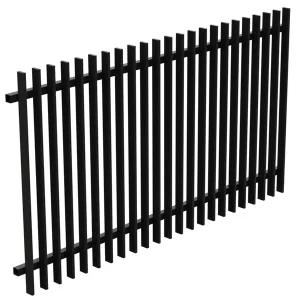
Surface treatment technology has advanced considerably beyond basic paint. Anti-UV coating formulations now prevent the color fading and chalking that plagued earlier powder-coated products. Chip resistance has improved through better adhesion chemistry and flexible coating formulations that absorb impact rather than cracking.
These protective coatings transform maintenance expectations. A properly treated steel fence in a parking environment should require nothing more than occasional washing for years—sometimes decades—depending on local conditions. Coastal installations face more aggressive salt exposure; industrial areas may encounter chemical fallout. But in typical commercial settings, maintenance-free fencing solutions are genuinely achievable with current technology.
Access Control and Pedestrian Safety Integration
Perimeter security means little if access points create vulnerabilities. Integrated gate systems must handle the competing demands of security, convenience, and safety. Single-open gates suit pedestrian entrances and low-traffic vehicle points. Double-open gates accommodate wider vehicles and higher volumes. The choice between manual and automated operation depends on traffic patterns, staffing, and security requirements.
Automated access control systems offer significant advantages for busy facilities. Card readers, key fobs, license plate recognition, and mobile credentials all provide options for managing who enters and when. Integration with parking management software enables detailed logging and real-time monitoring.
Pedestrian gates deserve separate consideration. Mixing foot traffic with vehicles creates obvious hazards, and dedicated pedestrian pathways with their own controlled access points address this directly. Emergency exits must remain accessible from inside while preventing unauthorized entry from outside—a design challenge that requires careful hardware selection and placement.
Vehicle detection systems add another capability layer. Loop detectors, infrared sensors, and video analytics can trigger gates, alert security personnel, or simply count traffic for operational planning. Smart security systems incorporating CCTV and intercom functionality provide monitoring and communication that complement physical barriers.
ADA compliance isn’t optional. Gate widths, operating forces, surface conditions, and signage must meet accessibility standards. Beyond legal requirements, accessible design simply makes facilities more usable for everyone.
Getting Installation Right the First Time
Even excellent materials fail when installation falls short. Fence installation guidelines exist because the details genuinely matter. Site assessment identifies ground conditions that affect foundation design—rocky soil, high water tables, and underground utilities all require specific approaches. Overlooking these factors leads to posts that shift, lean, or fail prematurely.
Local zoning laws and building permits vary significantly by jurisdiction. Some areas regulate fence height, setback from property lines, material types, and even colors. Permit requirements may seem bureaucratic, but they exist partly to ensure structural standards and partly to address neighbor concerns before they become disputes.
Professional installation teams bring experience that prevents common mistakes. Proper concrete footings, correct post spacing, appropriate fastener selection, and accurate alignment all contribute to long-term performance. Post-installation inspection should verify that the completed system matches design specifications and meets all applicable codes.
Project planning that accounts for weather, material lead times, and coordination with other site work prevents delays and cost overruns. A fence installation that disrupts parking operations for weeks costs more than the direct construction expense.
Evaluating Long-Term Value Beyond Purchase Price
The true cost of a steel fencing system emerges over its service life, not at the point of purchase. Galvanized and powder-coated fences deliver maintenance-free fencing performance that compounds savings year after year. Periodic cleaning—typically just pressure washing—maintains appearance without specialized labor or materials.
Warranty coverage reflects manufacturer confidence in product quality. Comprehensive warranties that cover both materials and finish indicate genuine commitment to durability. Shorter or more limited warranties often signal corners cut during production.
Choosing fence manufacturers requires evaluating more than price lists. Quality assurance processes, material sourcing transparency, manufacturing capabilities, and after-sales support all matter. A supplier that disappears after delivery provides no value when questions arise or replacement parts are needed years later.
The long-term investment protection that comes from selecting reputable suppliers and quality materials typically outweighs modest upfront savings from cheaper alternatives. Facilities that will operate for decades deserve fencing systems engineered for the same timeframe.
Frequently Asked Questions
What makes galvanized steel ideal for outdoor parking fences?
Galvanized steel earns its reputation through straightforward chemistry. The zinc coating bonds metallurgically to the steel substrate, creating a protective layer that corrodes preferentially when exposed to moisture and oxygen. This sacrificial protection keeps the underlying steel intact even when the surface sustains minor damage. The result is reliable corrosion resistance across varying weather conditions—rain, snow, humidity, and UV exposure—without requiring frequent maintenance or premature replacement.
How do anti-climb features enhance car park security?
Anti-climb features work by making scaling attempts impractical. Closely spaced mesh apertures eliminate footholds. Spiked or curved tops create physical barriers at the point where climbers would transition over. The visual deterrent effect matters as much as the physical obstacle—most unauthorized entry attempts involve quick assessment of difficulty, and obviously challenging barriers redirect attention elsewhere. Heavy-duty fencing with integrated anti-climb elements provides layered protection that addresses both casual opportunists and more determined intruders.
Can steel fencing be aesthetically pleasing for commercial properties?
Steel fencing has moved well beyond purely utilitarian designs. Ornamental Metal Fence Panels combine structural steel with decorative elements that complement architectural styles from traditional to contemporary. Powder coating technology enables virtually unlimited color options, allowing coordination with building exteriors and landscape design. Custom fabrication can incorporate logos, patterns, or specific design motifs. The security function remains intact while the visual contribution enhances rather than detracts from property presentation.
What are the essential safety features for parking lot fences?
Effective parking lot fences integrate multiple safety elements. Access control systems—whether card-based, code-based, or automated—regulate entry while maintaining security. Dedicated pedestrian gates separate foot traffic from vehicle zones, reducing collision risk. Emergency exits must provide rapid egress while preventing unauthorized entry, typically through panic hardware that operates from inside only. ADA compliance ensures accessibility for users with disabilities. Vehicle detection systems can prevent gate closure on vehicles and alert operators to unusual activity. Together, these features create an environment that protects both property and people.
Secure Your Property with Engineered Fencing Solutions
Ensure the utmost security and aesthetic appeal for your car park with our expertly engineered steel fencing systems. Hubei Yulong Building Materials Co., Ltd. provides durable, high-performance solutions tailored to your specific needs. Contact us today for a consultation or to learn more about our products.
Email: sales01@yulongkeji-ch.com
Phone: +8619086315193
If you’re interested, check out these related articles:
YLOONG Solutions: Engineered for Security, Designed for Performance