
Picking the right fence post material shapes everything that follows—how the fence holds up over time, how much attention it demands, and whether it still looks right five years down the road. Having worked through countless installations across different climates and project types, the choice between round aluminum and galvanized steel fence posts comes down to understanding what each material actually does well and where it falls short. This isn’t about finding a universal winner. It’s about matching material properties to real conditions on the ground.
What Makes Round Aluminum Fence Posts Work
Round aluminum fence posts deliver a balance that makes sense for specific situations. The material resists corrosion without any help from coatings or treatments—aluminum naturally forms an oxide layer that protects the underlying metal. This characteristic matters most in coastal areas or humid climates where steel would need constant attention.
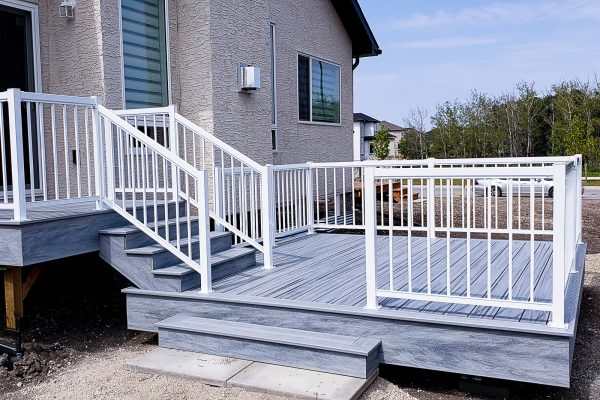
The weight difference is substantial. Aluminum posts weigh roughly one-third what comparable steel posts weigh, which translates directly to easier handling during installation. Fewer workers, simpler equipment, faster completion. For residential communities and balcony railing posts where crews work in tight spaces or at height, this practical advantage compounds quickly.
Aluminum’s malleability opens design possibilities that steel can’t match economically. Decorative fence posts with curved profiles or intricate patterns become feasible without specialized tooling. The material accepts powder coating well, so color options extend beyond the standard metallic finish.
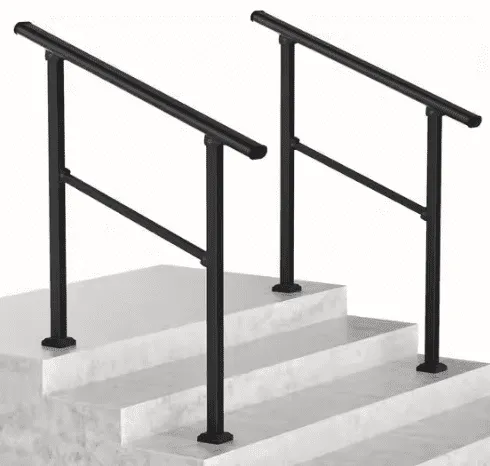
| Standard Aluminum Post Sizes | Wall Thickness (mm) | Application |
|---|---|---|
| 50mm (2 inch) | 2.0 | Residential |
| 63mm (2.5 inch) | 2.5 | Residential |
| 76mm (3 inch) | 3.0 | Light Commercial |
| 100mm (4 inch) | 3.0-4.0 | Commercial |
Galvanized Steel Fence Posts Handle the Heavy Work
Galvanized steel fence posts occupy different territory entirely. When a fence needs to resist physical impact, support substantial loads, or secure a perimeter against determined intrusion, steel’s strength-to-cost ratio wins out. The material’s rigidity means less flex under stress, which matters for heavy-duty fence posts in industrial settings.
The galvanization process creates protection through chemistry. Molten zinc bonds metallurgically with the steel surface, forming layers that corrode sacrificially before the underlying steel is affected. This isn’t just a coating sitting on top—it’s integrated into the metal structure. Even if the surface gets scratched or abraded, the zinc continues protecting adjacent areas through galvanic action.
Industrial park fence systems and municipal infrastructure projects typically specify galvanized steel because the material handles abuse that would deform aluminum. Vehicle impacts, equipment contact, repeated stress from heavy gates—steel absorbs these forces without permanent damage. The higher weight that complicates residential installation becomes irrelevant when heavy equipment handles placement anyway.
How Round Aluminum and Galvanized Steel Fence Posts Compare for Long-Term Performance
The durability question depends heavily on what the fence actually faces. Aluminum maintains its appearance indefinitely in marine environments where salt spray would consume zinc coatings over decades. The metal doesn’t rust, doesn’t need repainting, and won’t show the white oxidation patterns that signal zinc depletion on galvanized surfaces.
Galvanized steel holds structural advantages. A steel post that takes a hit from a lawn mower or a backing vehicle might dent but keeps working. The same impact on aluminum could crack the material or create permanent deformation. For applications where physical contact is likely, steel’s toughness outweighs aluminum’s corrosion resistance.
Maintenance patterns differ accordingly. Aluminum fence posts need occasional cleaning and inspection but rarely require intervention. Galvanized steel posts in aggressive environments may eventually need touch-up galvanizing or protective paint on damaged areas. Neither material demands the constant attention that untreated steel or wood would require.
| Feature | Round Aluminum Post | Galvanized Steel Post |
|---|---|---|
| Corrosion Resistance | Excellent (inherent) | Excellent (zinc coating) |
| Strength | Good | Superior |
| Weight | Lightweight | Heavyweight |
| Maintenance | Low | Moderate |
| Cost | Moderate | Moderate |
| Aesthetic | Modern, versatile | Industrial, robust |
Matching Fence Post Specifications to Actual Conditions
Getting fence post dimensions right requires thinking through the forces the fence will face. Height drives everything—a 6-foot fence catches more wind than a 4-foot fence, and that wind load translates directly to stress on the posts. The relationship isn’t linear either. Doubling fence height more than doubles the bending moment at the base.
Soil conditions matter as much as above-ground factors. Sandy soil provides less lateral resistance than clay, so posts need either greater depth or larger diameter to achieve equivalent stability. Frost heave in cold climates adds another variable—posts must extend below the frost line or risk annual shifting that loosens connections and misaligns panels.
The fence’s purpose shapes material selection. Residential fence post types serving decorative functions can use lighter gauges and smaller diameters. Commercial fence post solutions protecting valuable assets or controlling access need heavier specifications. A 2-inch aluminum post works fine for a garden boundary. The same application in an industrial setting might demand 4-inch galvanized steel.
Sizing Fence Posts for Specific Project Requirements
Start with the fence height and work backward. Taller fences need posts with greater moment of inertia—either larger diameter or thicker walls. Wind load calculations should reflect local conditions, not generic assumptions. A fence in Kansas faces different forces than one in a sheltered urban courtyard.
Infill material weight affects post spacing and sizing. Solid panels catch more wind than open mesh. Heavy ornamental ironwork creates dead loads that lightweight aluminum panels don’t. Each variable feeds into the engineering calculation that determines whether a given post specification will perform adequately.
Soil testing provides data that guessing can’t replace. Knowing the bearing capacity and drainage characteristics of the installation site allows precise specification of post depth and diameter. Over-engineering wastes money. Under-engineering creates failures that cost more to fix than proper initial specification would have required.
Surface Treatments That Extend Fence Post Life
Powder coating on round aluminum fence posts adds a second layer of protection to an already corrosion-resistant material. The process applies dry powder electrostatically, then cures it under heat to create a finish harder and more durable than liquid paint. Colors stay consistent across large orders, and the coating resists chipping, fading, and chalking better than painted alternatives.
Hot-dip galvanization remains the standard for steel fence post protection. The process creates coating thicknesses measured in microns that translate to decades of service life. Zinc consumption rates in various environments are well documented, so expected lifespan can be calculated with reasonable accuracy. A post galvanized to ASTM A123 standards in a rural environment might last 70 years before the zinc depletes completely.
Both materials benefit from proper installation practices. Posts set in concrete should have the concrete crowned to shed water away from the post surface. Direct soil contact accelerates corrosion even on galvanized steel. Small details in installation technique compound over the fence’s service life.
Working with Fence Post Suppliers
Procurement for fence post projects involves more than comparing unit prices. Lead times, minimum order quantities, shipping logistics, and technical support all factor into the total cost of acquisition. A supplier offering slightly higher prices but reliable delivery and accurate specifications often costs less in practice than the cheapest quote.
Custom fence post manufacturing opens possibilities that standard inventory can’t match. Specific lengths eliminate field cutting. Non-standard diameters or wall thicknesses optimize material use for particular applications. Custom finishes coordinate with architectural requirements. The premium for customization often pays back through reduced installation labor and better final appearance.
International sourcing adds complexity but can access manufacturing capabilities and price points unavailable domestically. Evaluating overseas suppliers requires attention to quality certifications, communication responsiveness, and logistics reliability. Sample orders before committing to large quantities reveal whether specifications on paper translate to actual product quality.
Finding Reliable Sources for Commercial Fence Posts
Commercial applications demand suppliers who understand the stakes. A residential fence that fails creates inconvenience. A commercial fence that fails creates liability, security breaches, or regulatory violations. The supplier relationship needs to support that higher standard.
Look for manufacturers with documented quality systems and relevant certifications. Ask for material test reports and coating thickness measurements. Request references from similar projects. The extra effort in supplier qualification prevents problems that surface months or years after installation when the original purchase decision is long forgotten.
Hubei Yulong maintains certified production processes for both aluminum and galvanized steel fence posts. The company’s automated production lines deliver consistent quality across large orders, and technical staff can assist with specification questions throughout the procurement process.
Manufacturing Approach at Hubei Yulong
Hubei Yulong Environmental Protection Building Materials Technology Co., Ltd. produces aluminum and zinc steel fencing systems through automated processes designed for precision and consistency. The company’s product range spans residential and commercial fences, balcony and platform railings, chain link fencing, and various wire mesh products.
Production emphasizes corrosion resistance and weather durability across all product lines. Surface treatments meet international standards, and quality control testing verifies performance before shipment. The manufacturing facility supports both standard inventory items and custom specifications for project-specific requirements.
Export logistics handle shipments to global markets, with documentation and packaging appropriate for international transport. The company serves municipal projects, residential developments, and industrial facilities across multiple continents.
Starting a Conversation About Your Fence Post Requirements
Round aluminum and galvanized steel fence posts each solve real problems when matched to appropriate applications. The choice depends on environmental conditions, structural requirements, aesthetic preferences, and budget constraints specific to each project.
Hubei Yulong’s technical team can help evaluate options and develop specifications that fit your particular situation. Reach out for consultation on material selection, custom manufacturing possibilities, or pricing for standard products. Contact information: +8619072006155 or yloongfence@gmail.com.
FAQ
What makes round aluminum fence posts suitable for residential installations?
Round aluminum fence posts resist corrosion without requiring protective coatings, which eliminates ongoing maintenance in residential settings where homeowners prefer minimal upkeep. The lightweight material simplifies installation for contractors working in finished landscapes where heavy equipment access is limited. Aluminum accepts powder coating in virtually any color, allowing fence posts to complement architectural styles rather than defaulting to industrial gray. For balcony railings and decorative applications, the material’s clean lines and consistent finish create the refined appearance residential projects typically require.
Why does hot-dip galvanization matter for steel fence posts in commercial settings?
Hot-dip galvanization creates zinc protection that bonds metallurgically with steel rather than simply adhering to the surface. This integration means scratches and abrasions don’t immediately expose bare steel to corrosion—the surrounding zinc continues protecting through electrochemical action. Commercial and industrial environments subject fence posts to impacts, abrasion, and chemical exposure that would quickly compromise paint or other surface coatings. The galvanization process produces predictable, documented protection levels that allow engineers to specify fence posts with confidence in their long-term performance.
Can fence posts be manufactured to non-standard specifications?
Custom manufacturing accommodates project requirements that standard inventory can’t satisfy. Specific post lengths eliminate field cutting and the associated waste and labor. Non-standard diameters or wall thicknesses optimize material use for particular load requirements. Special finishes or colors coordinate with architectural specifications. Hubei Yulong’s production capabilities support custom orders across both aluminum and galvanized steel product lines, with automated equipment ensuring dimensional consistency even for large quantity orders with unusual specifications.