
Getting a railing installation right means thinking through every stage before the first post goes in the ground. I’ve seen projects stall because someone skipped the site assessment or picked the wrong fasteners for coastal conditions. The difference between a railing that holds up for decades and one that needs repairs within five years often comes down to decisions made in the planning phase. This checklist covers the full sequence—from measuring and material choices through safety protocols and final handover—so nothing gets overlooked.
Pre-Installation Planning Sets the Pace for Everything After
A solid pre-installation site assessment catches problems before they become expensive. Walking the site with a tape measure and a critical eye reveals things blueprints miss: uneven ground, hidden utility lines, attachment points that won’t hold the load. These discoveries early on prevent the kind of delays that eat into margins and frustrate clients.
Material selection deserves more thought than it sometimes gets. Aluminum railing systems work well for balconies and decks where weight matters and corrosion resistance is essential. Zinc steel fencing handles security applications and perimeter installations where strength takes priority. The choice depends on the specific environment—coastal projects face salt exposure, industrial sites deal with chemical contact, and residential settings prioritize aesthetics alongside durability.
Building codes vary enough between jurisdictions that assumptions cause problems. Residential railing codes differ from commercial railing standards, and ADA compliance for railings adds another layer of requirements for public spaces. Researching the specific rules for each project location takes time upfront but prevents rework later.
Project timeline estimation keeps everyone aligned. Clients want to know when they can use their deck or when the security fence will be operational. Realistic scheduling accounts for permit processing, material lead times, and weather windows. Clear client communication best practices—regular updates, explanations of what’s happening and why—build trust that carries through any unexpected complications.
Cost estimation for railing projects needs to include contingencies. Materials, labor, and permits are the obvious line items, but experienced contractors budget for the surprises that show up on every job. Contractor liability insurance protects against the risks that planning can’t eliminate entirely.
Checklist: Site Assessment & Permitting
- Verify site measurements against blueprints.
- Assess ground stability and existing structural conditions.
- Identify potential obstructions or utility lines.
- Research and confirm all applicable local building codes.
- Obtain necessary permits before any work commences.
- Document all existing site conditions with photographs.
Table: Material Comparison (Aluminum vs. Zinc Steel)
| Feature | Aluminum Railing Systems | Zinc Steel Fencing |
|---|---|---|
| Corrosion Resistance | Excellent | Very Good |
| Weight | Lightweight | Moderate |
| Strength | High | Very High |
| Maintenance | Low | Moderate |
| Cost | Moderate | Moderate |
| Applications | Balcony, Deck, Stair | Security, Perimeter, Balcony |
On-Site Execution Demands Attention to Both Safety and Precision
The installation phase is where planning meets reality. During installation safety checks protect workers and anyone near the site. Hard hats, safety glasses, and gloves are baseline requirements—fall protection systems become mandatory when working at heights. These aren’t bureaucratic boxes to check; they’re the difference between a routine day and a serious incident.
A tool and equipment checklist prevents the frustrating discovery that a critical item is back at the shop. Running through the list before leaving for the site saves time and keeps the crew productive.
Fastener types for railings matter more than many realize. The wrong fastener in a marine environment corrodes within months. Stainless steel hardware costs more upfront but eliminates callbacks for loose connections. Structural integrity verification means checking that each connection can handle the specified loads—railings need to withstand someone leaning against them, not just look good.
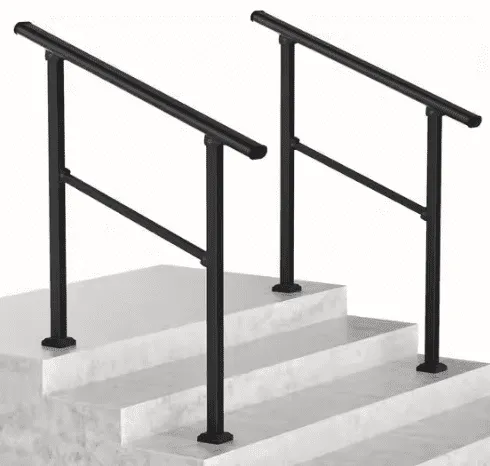
Weatherproofing techniques extend the life of the installation. Proper sealing at attachment points prevents water infiltration that leads to corrosion or wood rot in supporting structures. Balcony railing installation and stair handrail regulations often have specific requirements for load capacity and spacing that differ from standard fence installations.
What Safety Precautions Should Every Railing Installation Include?
Personal protective equipment is the starting point—helmets, gloves, and eye protection for everyone on site. Fall protection systems, including harnesses and temporary guardrails, are required for elevated work. Tool safety means proper maintenance and correct operation, not just having the equipment available. Site hazard identification before work begins allows crews to address risks proactively rather than reacting to accidents.
Post-Installation Verification Confirms the Work Meets Standards
The job isn’t finished when the last fastener is tightened. Post-installation cleaning procedures remove construction debris and marks, presenting the client with a finished product that looks as good as it performs. This attention to detail shapes how clients perceive the entire project.
Warranty documentation should be clear about what’s covered and for how long. Clients appreciate knowing exactly what to expect if something goes wrong. Quality control for railings involves a systematic final inspection checklist—checking every connection, verifying measurements against specifications, and confirming that the installation meets code requirements.
The customer handover process includes walking the client through the system’s features and providing maintenance schedules for railings. Explaining how to clean the surfaces and what to watch for over time helps clients preserve their investment. Addressing troubleshooting common installation issues—like minor adjustments that might be needed after seasonal temperature changes—demonstrates commitment to the relationship beyond the initial sale.
Navigating Building Codes Without Getting Tripped Up
Railing code compliance isn’t optional, and the penalties for getting it wrong range from forced removal to legal liability if someone gets hurt. Local building codes set the baseline, but they vary significantly. What passes inspection in one county might fail in the next.
ADA compliance for railings applies to commercial and public spaces, specifying dimensions and features that ensure accessibility. IBC railing requirements govern commercial construction, while residential railing codes address homes and multi-family buildings. The details matter: height requirements, baluster spacing, load capacity—each has specific numbers that inspectors verify.
The permit acquisition process requires submitting plans that demonstrate compliance before work begins. Inspection protocols during and after installation provide checkpoints where officials verify the work matches the approved plans. Staying current on regulatory changes prevents surprises when codes get updated between projects.
How Do Contractors Verify Railing Compliance With Local Codes?
Start with code research specific to the project location. Municipal websites and direct contact with building departments provide the authoritative requirements. Follow permit application guidance precisely, submitting all required drawings and specifications. Maintain communication with inspectors throughout the project—they can flag concerns before they become problems. Documentation best practices mean keeping records of materials, installation methods, and inspection approvals that prove compliance if questions arise later.
Material Selection Determines Long-Term Performance
The materials going into a railing installation directly affect how long it lasts and how much maintenance it needs. Aluminum railing systems resist corrosion naturally—the metal forms an oxide layer that protects against further degradation. This makes aluminum particularly suitable for coastal environments or anywhere moisture exposure is constant.
Zinc steel fencing combines strength with corrosion resistance. The zinc coating provides a sacrificial layer that protects the underlying steel, and modern surface treatment technology enhances this protection further. For security applications and perimeter fencing where strength matters most, zinc steel handles the demands.
Durability testing during manufacturing confirms that materials will perform as expected in real-world conditions. Environmental considerations in material selection include not just performance but also the sustainability of production processes. Both aluminum and zinc steel can be recycled, which matters to clients increasingly concerned about environmental impact.
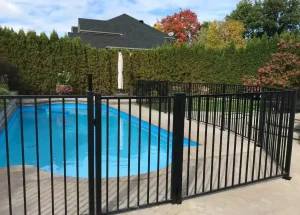
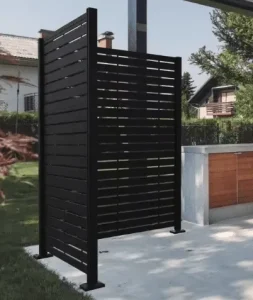
These materials serve applications ranging from residential and commercial fences to balcony and platform railings. The right choice depends on the specific project requirements—load expectations, environmental exposure, aesthetic preferences, and budget constraints all factor into the decision.
Maximizing Service Life Through Quality Materials and Installation
The typical lifespan of railings depends on material quality, installation precision, and environmental conditions. High-quality aluminum and zinc steel systems routinely exceed 20-30 years when properly installed and maintained. Weather durability and self-cleaning performance reduce the maintenance burden on property owners.
Quality control throughout manufacturing ensures consistent performance. Automated production lines maintain tight tolerances, and surface treatment technology adds protection that extends service life. These manufacturing standards translate to fewer callbacks and better client satisfaction for contractors.
Low-maintenance railing systems appeal to clients who want lasting results without ongoing effort. The initial investment in quality materials pays off through reduced service requirements and sustained appearance over decades.
What Determines How Long a Professionally Installed Railing Will Last?
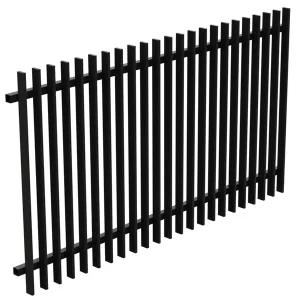
Material durability factors like inherent corrosion resistance set the baseline. Aluminum and zinc steel both offer strong performance, with specific advantages depending on the application. Installation quality impact is significant—precise adherence to engineering standards ensures structural integrity that holds up over time. Environmental exposure, including harsh weather or coastal conditions, affects longevity, though advanced surface treatments enhance resistance. Maintenance frequency, following the guidelines provided during handover, extends service life further.
Advanced Railing and Fencing Solutions for Demanding Projects
Hubei Yulong Environmental Protection Building Materials Technology Co., Ltd. manufactures aluminum and zinc steel fencing systems engineered for municipal, residential, and commercial applications. Our products deliver corrosion resistance and durability that contractors can rely on for projects where performance matters. Contact us at +8619072006155 or yloongfence@gmail.com to discuss specifications for your next railing installation project.
Frequently Asked Questions for Railing Contractors
What Steps Make a Railing Project Handover Go Smoothly?
A successful handover starts with a final inspection alongside the client, walking through the completed installation and pointing out features. Providing warranty documentation and maintenance guidelines gives clients the information they need to care for their railing system. Complete site cleanup before the walkthrough shows professionalism and attention to detail. Explaining how to maintain the railing’s appearance and structural integrity reduces future questions and builds confidence in the work.
How Can Contractors Maximize the Durability of Installed Railings?
Durability starts with material selection—aluminum and zinc steel systems offer inherent corrosion resistance that cheaper alternatives lack. Strict adherence to installation standards ensures structural integrity from day one. Surface treatment technology adds protection against environmental degradation. Advising clients on proper maintenance schedules helps them preserve their investment. Periodic inspections catch minor issues before they develop into expensive repairs.
Why Does Pre-Installation Site Assessment Matter So Much?
Site assessment identifies challenges that aren’t visible in blueprints or project specifications. Verifying measurements prevents material waste and rework. Evaluating ground conditions ensures attachment points will hold the required loads. Confirming compliance with local building codes avoids permit problems and inspection failures. This upfront investment in assessment pays off through smoother execution and fewer surprises during installation.
What Advantages Do Advanced Fencing Materials Offer Contractors?
Aluminum and zinc steel fencing systems with advanced surface treatments provide corrosion resistance and weather durability that reduce long-term maintenance needs. Automated production ensures consistent quality across large orders. These performance characteristics translate to fewer callbacks, better client satisfaction, and a reputation for reliable work. Products engineered for demanding applications—from balcony railings to large-scale municipal fences—give contractors confidence in the solutions they’re installing.