
Metal grill and steel bar fences remain among the most reliable perimeter security options available, though their effectiveness depends heavily on matching the right system to specific site conditions. Having worked through countless installations across residential, commercial, and industrial settings, the differences between these two fence types become apparent quickly in practice. Both create formidable barriers, but they solve different problems and suit different environments. The choice between them rarely comes down to one being “better” than the other. Instead, it hinges on visibility requirements, budget constraints, aesthetic goals, and the specific threats a property faces.
How Metal Grill and Steel Bar Fences Differ in Real-World Applications
Metal grill and steel bar fences serve as foundational elements in perimeter security, though they approach the task differently. Metal grill fences typically feature woven or welded wire patterns that maintain high visibility while still creating a physical barrier. Steel bar fences rely on solid vertical or horizontal bars, presenting a more imposing visual deterrent. Both fence panel types discourage unauthorized access effectively, but the mechanisms differ.
Metal grill fences distribute impact force across their mesh structure, making them resilient against casual attempts at breach. Steel bar fences resist direct impact through sheer material mass. The visibility question matters more than many property owners initially realize. High-visibility fencing allows security personnel to monitor activity on both sides of the perimeter, while lower-visibility options can provide privacy but may create blind spots.
| Feature | Metal Grill Fences | Steel Bar Fences |
|---|---|---|
| Structure | Woven or welded mesh panels, often with smaller openings. | Solid vertical or horizontal bars, typically thicker. |
| Visibility | High, allows clear sightlines. | Moderate to low, can obstruct views more significantly. |
| Climb Resistance | Good, smaller openings limit footholds. | Excellent, smooth bars offer minimal grip. |
| Impact Resistance | Good, distributes force across mesh. | Excellent, solid construction resists direct impact. |
| Aesthetics | Industrial, utilitarian, can be adapted. | Formal, modern, classic; highly customizable. |
| Cost | Generally lower for standard designs. | Often higher due to material and fabrication. |
Design Elements That Actually Prevent Climbing
Anti-climb features make or break a security fence’s effectiveness. Sharp finials, angled tops that lean inward or outward, and tightly spaced vertical bars all serve specific purposes in deterring unauthorized scaling. The spacing matters particularly. Bars set too far apart provide footholds, while gaps that are too narrow can actually make the fence easier to grip in some configurations.
Aesthetic fence design has evolved considerably. Powder coating now offers dozens of color options that integrate with existing architecture rather than standing out as purely utilitarian additions. Decorative elements can be incorporated without compromising security. Custom fence fabrication allows for unique patterns and precise dimensions that standard off-the-shelf products cannot match.
Security gate options deserve careful consideration since gates represent potential weak points in any perimeter. Pedestrian gates, vehicular access systems, and emergency egress points all require different approaches. The gate hardware and locking mechanisms often matter as much as the fence panels themselves. Residential security fencing, commercial property fences, and industrial security barriers each present distinct challenges that influence these design choices.
What Separates Metal Grill from Steel Bar Fences in Practice
The construction differences between metal grill and steel bar fences translate directly into performance characteristics. Metal grill fences made from wire mesh excel at maintaining sightlines while preventing passage. Their smaller openings eliminate footholds for climbing, and the mesh structure makes cutting through time-consuming and noisy.
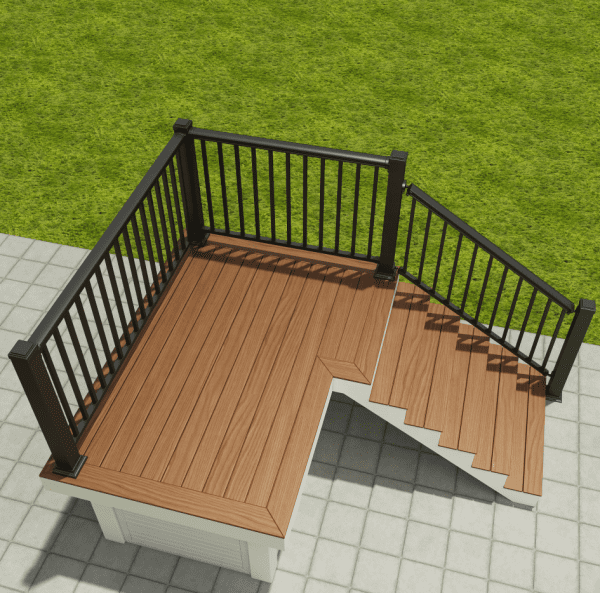
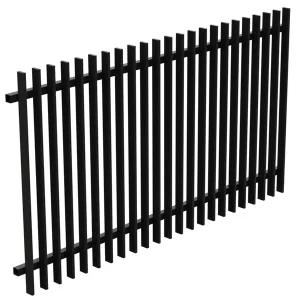
Steel bar fences offer superior rigidity. Their smooth vertical surfaces provide almost nothing to grip, making them exceptionally difficult to scale without equipment. The solid construction also resists tools more effectively than mesh alternatives. Metal grill fence benefits center on visibility and cost efficiency for large perimeters, while steel bar fence advantages include higher impact resistance and a more premium appearance that suits formal or high-profile properties.
Why Material Selection Determines Fence Longevity
Galvanized steel forms the backbone of most quality security fencing because the zinc coating creates a sacrificial barrier against corrosion. When the zinc layer encounters moisture and oxygen, it oxidizes preferentially, protecting the underlying steel. This process can extend fence life by decades compared to untreated steel.
Powder coating adds another layer of protection while providing aesthetic options. The application process creates a finish that resists chipping, fading, and chemical exposure far better than traditional paint. Multi-layer protection systems combining galvanization with powder coating represent the current standard for fences expected to perform in harsh environments.
Weather durability varies significantly between manufacturers. Coastal installations face salt spray exposure that accelerates corrosion. Industrial areas may contend with chemical pollutants. Desert climates subject fences to extreme UV exposure and temperature cycling. Each environment demands specific material considerations to achieve the expected long service life.
Getting Installation Right the First Time
Ground conditions influence fence installation more than most property owners anticipate. Rocky soil, high water tables, frost lines, and soil composition all affect post depth requirements and anchoring methods. Proper site assessment identifies these factors before installation begins, preventing costly corrections later.
Post spacing calculations must account for wind loads, fence height, and the specific panel weight of the chosen system. Local building codes often specify minimum requirements, but optimal spacing may exceed these minimums depending on site conditions. Municipal projects fencing typically faces stricter inspection requirements than private installations.
Custom fence fabrication becomes necessary when standard panel sizes do not fit the site geometry or when specific security requirements demand non-standard configurations. Industrial park security often requires taller panels with additional anti-climb features. Residential community fences may need to balance security with neighborhood aesthetic guidelines. Commercial development fencing frequently must accommodate future expansion or modification.
Looking Beyond the Initial Price Tag
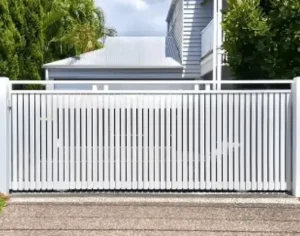
Fence cost comparisons that focus solely on purchase price miss the larger picture. A less expensive fence requiring replacement in fifteen years costs more over time than a premium system lasting thirty years or longer. Maintenance requirements factor into this calculation as well. Systems requiring annual repainting or frequent repairs accumulate costs that erode initial savings.
Galvanized steel fences with quality powder coating typically require only periodic cleaning and occasional inspection. Damage from impacts or attempted breaches may need spot repairs, but the underlying structure remains sound for decades. This durability profile provides strong return on investment for security fence systems, particularly in applications where fence failure creates significant liability exposure.
Insurance considerations sometimes influence fencing decisions. Properties with documented perimeter security may qualify for reduced premiums. The cost offset can be substantial for commercial and industrial applications where liability coverage represents a major expense.
Estimating Installation Costs for High-Security Systems
High-security metal fence installation costs depend on numerous variables that make broad generalizations difficult. Material selection between steel bars and mesh creates the first major cost divergence. Height requirements affect both material quantities and structural engineering needs. Linear footage determines total material costs, while site complexity influences labor requirements.
Anti-climb features add cost but may be essential depending on the threat profile. Security gate options range from simple swing gates to automated systems with access control integration. Custom fence fabrication for unique designs increases costs but may be necessary for architectural compatibility or specific security requirements.
Site preparation costs vary dramatically. Level ground with good drainage requires minimal preparation. Sloped terrain, poor soil conditions, or existing structures requiring removal can add significantly to the project budget. A thorough security fence cost analysis accounts for all these elements rather than relying on per-foot estimates that may not reflect actual project conditions.
What Sets Hubei Yulong Apart in Security Fencing
Hubei Yulong Environmental Protection Building Materials Technology Co., Ltd. has built its reputation on aluminum zinc steel fencing systems that address the corrosion challenges many installations face. The aluminum zinc alloy coating provides enhanced protection compared to standard galvanization, particularly in coastal or industrial environments where corrosive exposure is elevated.
Automated production lines ensure consistent quality across large orders, eliminating the variation that can occur with manual fabrication. Advanced surface treatment processes create finishes with self-cleaning properties that reduce maintenance requirements over the fence’s service life. These manufacturing capabilities support both standard product lines and custom configurations for specialized applications.
The company serves residential, commercial, and industrial markets with solutions designed for urban safety protection while maintaining aesthetic standards appropriate for visible installations. This dual focus on security performance and visual integration distinguishes their approach from manufacturers who prioritize one consideration at the expense of the other.
Secure Your Property with Hubei Yulong
Hubei Yulong Environmental Protection Building Materials Technology Co., Ltd. delivers aluminum and zinc steel fencing systems engineered for superior corrosion resistance, weather durability, and extended service life. Contact us today at +8619072006155 or yloongfence@gmail.com for a personalized consultation and discover tailored security design options that meet your project’s unique requirements.
Frequently Asked Questions About Security Fencing
What Maintenance Do Galvanized Steel Security Fences Actually Need
Galvanized steel security fences with quality powder coatings require surprisingly little ongoing maintenance. Regular cleaning with mild soap and water removes accumulated dirt and debris that can trap moisture against the surface. Periodic inspection catches physical damage or scratches early, allowing for touch-up treatments that preserve the corrosion resistance before problems spread.
Fences in coastal areas may benefit from more frequent rinsing to remove salt deposits. Industrial environments with chemical exposure may require specific cleaning protocols. Self-cleaning surface treatments reduce maintenance frequency but do not eliminate the need for occasional attention entirely. The goal is preserving the protective coatings that give these fences their long service life.
How Do Anti-Climb Features Actually Work
Effective anti-climb design removes the handholds and footholds that make scaling possible. Tightly spaced vertical bars eliminate gaps large enough for fingers or toes. Pointed or angled tops create hazards for anyone attempting to climb over. Smooth bar surfaces provide nothing to grip, forcing would-be intruders to bring equipment that takes time to deploy and creates noise.
The psychological deterrent matters as well. A fence that looks difficult to climb discourages attempts before they begin. Custom fence fabrication allows for tailored configurations that address specific site vulnerabilities while maintaining the visual deterrent effect. The combination of physical barriers and psychological discouragement maximizes perimeter security effectiveness.
Can Custom Designs Match Specific Architectural Requirements
Custom fence fabrication accommodates architectural requirements that standard products cannot address. Unique property geometries, specific color matching, decorative elements that complement building design, and non-standard heights or configurations all fall within custom manufacturing capabilities.
Municipal projects often require fencing that meets both security standards and aesthetic guidelines established by planning authorities. Residential communities may have architectural review requirements that standard industrial fencing cannot satisfy. Commercial developments frequently need fencing that projects a professional image while providing genuine security. Bespoke metal grill fence and steel bar fence designs can meet all these requirements without compromising protective function.