
Railing posts take a beating. Sun, rain, freeze-thaw cycles, the constant stress of people leaning against them — it all adds up. After years of working with residential and commercial railing systems, I’ve seen posts fail in predictable ways, and the fixes are usually straightforward once you know what you’re looking at. The tricky part is knowing when a repair will hold and when you’re just delaying the inevitable. This piece walks through the common failure modes, practical repair approaches, and the decision points that separate a quick fix from a full replacement.
Why Railing Posts Fail Over Time
Railing posts sit at the intersection of structural load and environmental exposure, which makes them vulnerable to a specific set of problems. The posts themselves might be fine, but the connections — bolts, anchors, base plates — often give out first. Fasteners corrode, concrete cracks, wood rots at the base where moisture collects. Temperature swings cause materials to expand and contract, gradually loosening hardware that was tight at installation.
Material choice matters enormously here. Untreated wood posts in ground contact can show serious rot within 5-7 years. Steel with inadequate galvanizing often develops visible corrosion in 3-5 years, especially in coastal or high-humidity environments. The posts that last longest are typically aluminum or properly treated steel with robust protective coatings — but even these require attention at the connection points.
The Mechanics Behind Loose Railing Posts
When a railing post starts wobbling, the problem usually traces back to one of three areas: the fasteners, the foundation, or the post material itself.
Fastener failure is the most common culprit. Bolts and screws corrode, strip out, or simply back out over time from vibration and thermal cycling. This is especially common on deck railings where the structure flexes slightly under foot traffic. The repeated micro-movements work fasteners loose over months and years.
Foundation issues come next. Concrete settles, cracks, or erodes around the post base. Soil shifts. On decks, inadequate blocking or a poorly attached ledger board can transfer movement to the posts. Many loose handrail causes trace directly to insufficient embedment depth or anchoring shortcuts during original construction — problems that don’t show up until years later.
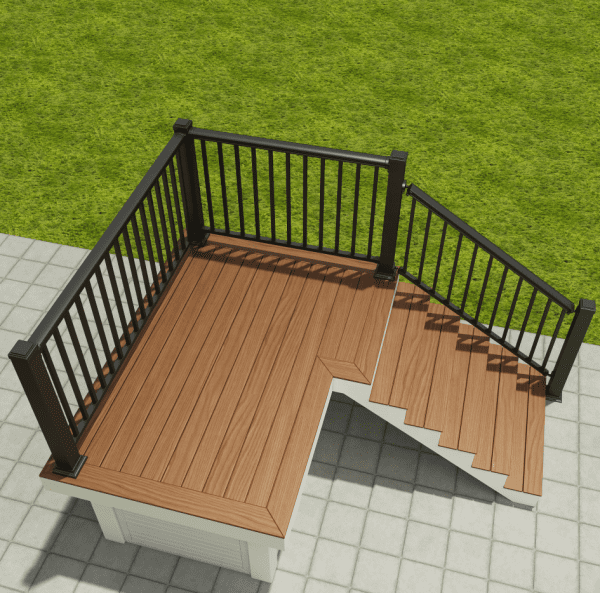
| Issue Type | Common Indicators | Typical Causes |
|---|---|---|
| Wobbly Post | Visible movement, creaking sounds | Loose fasteners, foundation settling, material decay |
| Corrosion/Rot | Rust stains, soft wood, discoloration | Moisture exposure, lack of protective coatings |
| Cracked Base | Visible fissures in concrete or mounting plate | Freeze-thaw cycles, impact, structural overload |
| Material Fatigue | Bending, warping, hairline fractures | Repetitive stress, improper material selection |
| Improper Install | Misaligned posts, insufficient bracing | Substandard construction practices |
Practical Repair Methods for Loose Railing Posts
The repair approach depends entirely on what’s actually failed. A loose bolt is a different problem than a rotted post base, and treating them the same way leads to callbacks.
For wooden posts, the fix often involves re-securing with longer, corrosion-resistant fasteners or adding structural blocking between the post and the framing. If the wood itself is sound, this usually works. Metal posts might need base plate reinforcement, re-welding of cracked joints, or anchoring with structural epoxy. Concrete anchors provide the most reliable connection when securing posts into masonry — the key is using the right anchor type for the concrete condition and load requirements.
Whatever the material, use hardware rated for exterior exposure. Galvanized or stainless steel fasteners cost more upfront but eliminate the corrosion problems that caused the original failure.
Fixing a Wobbly Deck Railing Post
Start by identifying exactly where the movement originates. Grab the post and try to isolate whether it’s moving at the deck connection, at the rail connection, or somewhere in between.
If the post bolts to the deck frame, tighten everything first. Stripped or corroded bolts need replacement — go with heavier-gauge hardware than the original. Posts attached with lag screws often benefit from upgrading to through-bolts, which provide significantly better pull-out resistance.
Adding blocking between deck joists and the post makes a substantial difference on posts that were originally installed without adequate backing. The blocking gives the fasteners something solid to bite into instead of just the rim joist.
For posts that are severely compromised at the connection point, post-to-beam connectors or tension tie systems can reinforce the structure without requiring full replacement. These hardware solutions distribute load across a larger area and provide redundancy if individual fasteners fail.
If you’re interested, check 《YLOONG Solutions: Engineered for Security, Designed for Performance》.
Addressing Specific Types of Railing Post Damage
Different damage types require different approaches. The goal is always to restore structural integrity while using materials and methods that will outlast the original installation.
Repairing rusted metal railings starts with grinding away all visible corrosion — not just the surface rust, but any pitting or scale underneath. Apply a rust-inhibiting primer before repainting or powder coating. Minor cracks in metal can be welded, but this requires someone who knows what they’re doing; poor welds create stress concentrations that fail faster than the original material.
Fixing rotted wood posts depends on how far the decay has spread. If it’s limited to the surface, epoxy wood fillers work well. Deeper rot requires cutting out the affected section and splicing in new pressure-treated lumber. The splice needs to be properly supported and fastened — this isn’t a cosmetic repair.
Cracked concrete post repair typically involves epoxy injection for structural cracks or patching compounds for surface damage. The distinction matters: epoxy actually bonds the concrete back together, while patching compounds just fill the void.
Composite railing damage, usually from impact or UV degradation, often requires section replacement. Some surface damage can be addressed with composite repair kits, but these are cosmetic fixes that don’t restore structural capacity.
Our Aluminum Balcony Railing and Aluminum Stair Railing System products are designed with modular components specifically to simplify repairs. When a section fails, you replace that section — not the entire system.
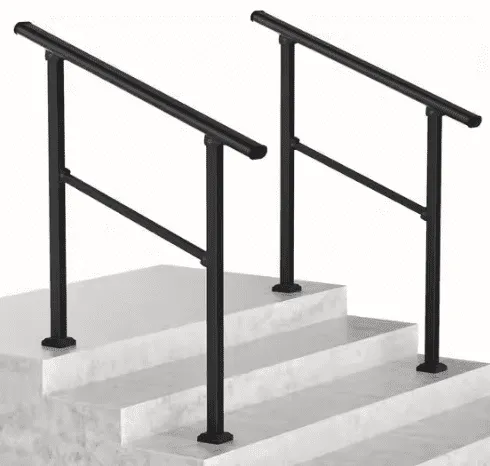
| Damage Type | Repair Action | Replacement Threshold |
|---|---|---|
| Minor Surface Rot | Wood hardener, epoxy filler, repaint | >25% cross-section compromised, structural weakness |
| Light Rust | Wire brushing, rust converter, primer, paint | Deep pitting, perforations, widespread structural loss |
| Hairline Cracks | Epoxy injection, crack sealant | Structural cracks >1/8 inch wide, through-material |
| Loose Fasteners | Tighten, replace with larger/longer fasteners | Stripped holes, material crumbling around fastener |
| Bent Metal | Straighten with heat/pressure (if minor) | Severe deformation, fatigue cracks, multiple bends |
Knowing When Repair Won’t Cut It
The hardest call in railing maintenance is deciding when to stop repairing and start replacing. There’s always pressure to save money with another patch, but some damage genuinely can’t be fixed to a safe standard.
Replacement becomes necessary when structural integrity is compromised beyond reliable repair. Extensive rot that has hollowed out a post, deep corrosion that has thinned metal to the point of weakness, cracks that run through load-bearing sections — these aren’t problems you can patch your way out of.
The economics matter too. If you’ve repaired the same post twice and it’s failing again, a third repair is probably throwing money away. When repair costs approach replacement costs, replacement almost always makes more sense because you’re getting new material with a full service life ahead of it.
The Replacement Decision Point
Consider replacing a damaged railing post when the damage affects more than about 25% of the post’s cross-section, whether from rot, corrosion, or cracking. At that point, the remaining material is carrying loads it wasn’t designed to handle alone, and failure becomes a matter of when, not if.
Multiple failure points on the same post also push toward replacement. A post with one stripped bolt hole can be repaired. A post with three stripped holes and surface rot is telling you something about its overall condition.
Major railing damage on load-bearing posts is non-negotiable. These posts support the weight of people leaning against the railing, and in some cases, the weight of people falling against it. Safety concerns railings present in these situations aren’t theoretical — they’re the reason building codes exist.
The age of the overall system factors in as well. Isolated damage on a relatively new system is worth repairing. Multiple failing components on an older system suggest the whole thing is approaching end of life, and targeted repairs may just shift stress to the next weakest point.
| Assessment Criteria | Repair Feasible | Replacement Recommended |
|---|---|---|
| Structural Integrity | Minor surface damage, localized weakness | Significant load-bearing capacity loss, widespread failure |
| Material Degradation | Isolated rot/rust, treatable surface issues | Deep penetration, material loss, widespread decay |
| Fastener Points | Stripped holes, minor loosening | Material crumbling, complete fastener failure |
| Cost-Benefit Analysis | Repair cost significantly less than replacement | Repair cost approaches or exceeds replacement cost |
| Safety Standards Compliance | Meets current safety codes after repair | Fails to meet safety codes even after repair |
| Age of System | Relatively new system, isolated damage | Old system, multiple failing components |
Keeping Railing Posts Sound for the Long Term
The best repair is the one you never have to make. Regular inspection catches problems while they’re still small and cheap to fix. Twice a year is reasonable for most installations — once in spring to assess winter damage, once in fall to prepare for the next cold season.
Cleaning and protective coatings extend service life significantly. Wood needs sealant or stain. Metal needs paint or powder coating maintained. Even aluminum, which doesn’t rust, benefits from periodic cleaning to remove salt and debris that can cause surface degradation.
Material selection at installation time has the biggest impact on long-term durability. Durable railing materials like aluminum or zinc steel resist environmental degradation far better than untreated wood or basic steel. The upfront cost difference pays back many times over in reduced maintenance and longer service life.
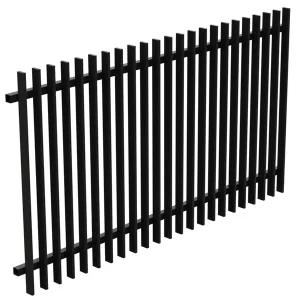
Our Aluminum Slat Fence and Aluminum Blade Fence Panels products use automated production and advanced surface treatment to achieve consistent corrosion resistance across every unit. The weather durability railings need comes from both the base material and the protective coating — we address both.
Professional railing installation also matters more than most people realize. Proper embedment depth, correct fastener selection, adequate blocking — these details determine whether a railing system lasts 10 years or 30.
For guidance on securing your railing systems or to discuss durable fencing solutions for your project, reach out directly. Contact us at +8619072006155 or yloongfence@gmail.com.
Frequently Asked Questions
How often should I inspect my railing posts for damage?
Inspect railing posts at least twice per year. Spring inspections reveal winter damage from freeze-thaw cycles and moisture. Fall inspections let you address issues before cold weather makes repairs more difficult. High-traffic commercial installations or railings in harsh coastal environments may warrant quarterly checks.
Can I repair a railing post myself, or do I need a professional?
Minor repairs like tightening loose fasteners, replacing corroded bolts, or applying protective coatings are reasonable DIY projects. Structural repairs involving welding, concrete work, or load-bearing post replacement should involve a professional. The stakes are high enough that getting it wrong creates real safety risk.
What’s the most durable material for railing posts in outdoor environments?
Aluminum offers the best combination of corrosion resistance, strength, and low maintenance for most outdoor applications. It doesn’t rust, holds up well to UV exposure, and requires minimal ongoing care. Stainless steel performs similarly but costs more. Properly treated wood can last decades with regular maintenance, but that maintenance is non-negotiable.
How do I know if a crack in my railing post is structural?
Structural cracks run through the material rather than just across the surface. They’re typically wider than 1/8 inch and may show displacement on either side. Cracks that appear at connection points or run along the grain in wood are particularly concerning. When in doubt, have a professional assess it — the consequences of guessing wrong are serious.
Does the type of fastener really matter for railing post repairs?
Fastener selection matters enormously. Exterior-rated, corrosion-resistant fasteners cost marginally more but eliminate the most common failure mode in railing systems. Stainless steel or hot-dipped galvanized hardware should be standard for any outdoor railing repair. Using interior-grade fasteners outdoors is setting up the next failure.