
Building a private outdoor space doesn’t require hiring contractors or spending weekends wrestling with complicated installations. After working with countless homeowners on their patio projects, I’ve found that aluminum and WPC panels strike the right balance between durability and DIY-friendliness. The key is understanding what each material brings to the table and following a methodical installation approach.
Choosing Between Aluminum and WPC for Your Patio Privacy Screen
The decision between aluminum and WPC comes down to how you want your outdoor space to look and how much effort you’re willing to put into upkeep over the years.
Aluminum privacy screen panels deliver exceptional strength without adding bulk. The material naturally resists corrosion, and modern surface treatments push that resistance even further by creating a barrier against moisture and UV damage. These panels work particularly well in coastal areas or regions with extreme temperature swings. The clean lines suit contemporary architecture, and the material won’t burn or contribute to fire spread. When your panels eventually reach end of life, aluminum recycles completely.
WPC privacy fence panels take a different approach. They combine recycled wood fibers with plastic polymers to create something that looks and feels like natural wood but won’t rot, attract termites, or absorb moisture. The composite structure holds color remarkably well, so you won’t find yourself repainting every few years. Manufacturers can texture these panels to mimic oak, cedar, or other wood species, giving you aesthetic flexibility without the maintenance burden.
| Feature | Aluminum Privacy Screens | WPC Privacy Panels |
|---|---|---|
| Durability | Excellent corrosion resistance, strong weather durability | High resistance to rot, insects, moisture, and fading |
| Maintenance | Very low; occasional cleaning | Low; simple cleaning, no painting/staining |
| Aesthetics | Modern, sleek, industrial | Natural wood-like appearance, versatile textures |
| Weight | Lightweight, easy to handle | Moderate, solid feel |
| Environmental | Recyclable, non-combustible | Eco-friendly (recycled materials), sustainable |
| Cost | Higher initial investment, lower long-term costs | Moderate initial investment, low long-term costs |
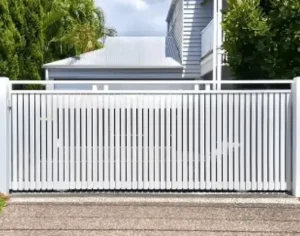
Installing Aluminum Privacy Panels Step by Step
Aluminum fence panels go up faster than most people expect, partly because the material is light enough for one person to maneuver. The real challenge isn’t the installation itself but getting the groundwork right.
Getting Your Site Ready
Rushing through site preparation causes more failed installations than any other factor. Take time to do this properly.
Start by measuring the full length of your intended privacy screen run. Mark post locations with stakes, then run string between them to visualize the finished line. Double-check these measurements against your panel dimensions because even small discrepancies compound across multiple panels.
Before you dig anything, call your local utility locator service. Underground electrical lines, gas pipes, and fiber optic cables don’t announce themselves, and hitting one turns a weekend project into an expensive emergency.
Clear vegetation and debris from your work area. Check ground level with a spirit level at each post location. Uneven ground means leaning panels, and correcting that problem after installation is far more difficult than addressing it beforehand.
Gather your tools before starting: post-hole digger, spirit level, tape measure, drill with appropriate bits, and the fasteners specified for your panels. Wear safety glasses and work gloves throughout the process. Aluminum edges can be surprisingly sharp.
Assembling WPC Privacy Screens
WPC fence panels use interlocking designs that simplify assembly considerably. The material is heavier than aluminum, so having a helper makes the work go faster, though one person can manage with patience.
Unpack everything first and compare components against the parts list. Lay panels and posts in their approximate final positions to catch any issues before you start digging.
Dig post holes to the depth specified in your product documentation. Drainage matters here because standing water at the post base accelerates deterioration even in rot-resistant materials. Add gravel at the bottom of each hole if your soil drains poorly.
Set your first post plumb using a spirit level on two adjacent faces. Pour concrete around the base and let it cure fully before attaching panels. Rushing this step leads to posts that shift under load.
Attach the first panel to the cured post with the provided brackets. Subsequent panels slide into grooves on the preceding panel or post. The fit should be snug but not forced. If you’re fighting the connection, check that both components are level.
Continue alternating between posts and panels, checking plumb and level at each step. Finish by installing top caps and any decorative elements included with your system.
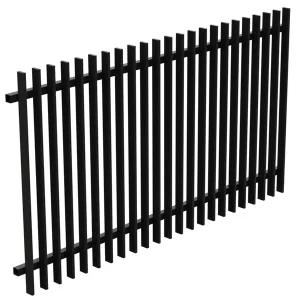
If you’re interested, check 《YLOONG Solutions: Engineered for Security, Designed for Performance》.
Design and Durability for Long-Term Performance
Privacy screens do more than block sightlines. They become part of your outdoor room’s visual character and need to handle whatever weather your region delivers.
Both aluminum and WPC can adapt to different architectural styles. Aluminum accepts powder coating in virtually any color and can be cut into geometric patterns for visual interest. WPC offers warmth that aluminum can’t match, with textures that read as natural wood from a few feet away.
Think about wind loads during planning. A solid privacy screen acts like a sail in strong gusts. If you live in a windy area, consider designs with small gaps between slats or panels rated for higher wind speeds. Local building codes may specify requirements for your situation.
Can DIY patio privacy screens withstand harsh weather conditions?
Aluminum and WPC both handle weather stress well, though through different mechanisms. Aluminum’s surface treatment creates a physical barrier against moisture and oxidation. The metal itself doesn’t absorb water, so freeze-thaw cycles that crack other materials leave aluminum unaffected. WPC resists weather through its composite structure. The plastic component repels water while the wood fibers provide structural stability. Neither material warps, rots, or attracts insects under normal outdoor conditions.
Keeping Your Privacy Screen Looking Good
The maintenance requirements for both materials are genuinely minimal, which is part of their appeal for DIY installations.
Aluminum screens clean up with mild soap and water. The surface treatment on quality panels provides some self-cleaning properties, meaning rain washes away most accumulated dust and pollen. Avoid abrasive pads or harsh chemical cleaners that could scratch or degrade the finish. Walk the length of your screen occasionally to check for loose fasteners or damage from impacts.
WPC panels need similar care. A soft brush and water handle routine cleaning. Stubborn stains respond to diluted bleach, but rinse thoroughly afterward. The material never needs sealing, staining, or painting. Unlike natural wood, WPC won’t develop splinters or rough patches that require sanding.
Both materials resist the problems that plague traditional fencing: rust, warping, pest damage, and rot. This resistance translates directly into years of service without the repair cycles that wooden fences demand.
Start Your Outdoor Privacy Project
Quality materials make DIY installation practical for homeowners who want privacy without ongoing maintenance headaches. Hubei Yulong Environmental Protection Building Materials Technology Co., Ltd. manufactures aluminum and WPC fencing systems designed for durability and straightforward assembly. Contact yloongfence@gmail.com or call +8619072006155 to discuss your project requirements and explore available options.
Frequently Asked Questions About DIY Patio Privacy Screens
What is the easiest privacy screen to install yourself?
Both aluminum and WPC panels work well for DIY installation, though they suit different skill levels. Aluminum panels arrive pre-fabricated and assemble with basic tools. Their light weight makes handling easier, especially for solo installers. WPC panels use interlocking systems that reduce the need for precise cutting. Your choice depends partly on whether you prefer working with metal or composite materials. Either option installs faster than traditional wood fencing.
How do aluminum and WPC privacy screens compare in terms of durability and maintenance?
Aluminum privacy screen panels excel at corrosion resistance. The metal won’t rust, warp, or attract pests, and surface treatments add UV protection. Cleaning involves occasional soap and water. WPC privacy panels deliver wood aesthetics without wood problems. The composite resists rot, insects, and moisture absorption while holding color over years of sun exposure. Neither material requires painting, staining, or sealing. Both represent significant maintenance reductions compared to natural wood alternatives.
Are DIY patio privacy screens a cost-effective solution for outdoor privacy?
DIY installation eliminates labor costs that typically represent a substantial portion of fencing project budgets. Beyond initial savings, aluminum and WPC materials reduce long-term expenses through minimal maintenance requirements. You won’t spend money on annual staining, replacement boards, or pest treatment. The durability of both materials means your investment continues performing for years without the repair cycles that erode the value of cheaper alternatives.