
Picking a fence sounds straightforward until you’re actually standing in front of two samples that look almost identical but carry completely different price tags and maintenance schedules. The gap between decorative iron and ornamental steel isn’t always obvious at first glance, yet it determines how much time and money you’ll spend over the next twenty years. This piece walks through what actually separates these two materials, how surface treatments change the game, and where each option makes the most sense for residential and commercial properties.
Material Differences That Actually Matter
Decorative iron, usually wrought iron, has been around for centuries. Blacksmiths would heat and hammer the metal into elaborate scrollwork and custom shapes. That handcrafted quality gives wrought iron its distinctive character, but the same malleability that allows intricate designs also makes the material more vulnerable to corrosion. Without consistent repainting and sealing, rust becomes a real problem within a few years.
Ornamental steel fence products take a different approach. The base material is steel, typically hot-dip galvanized before receiving a powder coat finish. Galvanization deposits a zinc layer that acts as a sacrificial barrier, corroding before the underlying steel does. The powder coating adds another protective shell while providing color options and UV resistance. This layered defense system means steel fencing holds up longer with far less hands-on maintenance.
| Characteristic | Decorative Iron (Wrought Iron) | Ornamental Steel |
|---|---|---|
| Material | Iron alloy (often hand-forged) | Steel (typically galvanized) |
| Aesthetics | Classic, intricate, traditional | Modern, sleek, versatile |
| Durability | Good, but prone to rust without maintenance | Excellent, high strength, corrosion-resistant |
| Maintenance | High (regular painting/sealing) | Low (minimal upkeep) |
| Cost | Higher initial cost, higher long-term maintenance | Moderate initial cost, lower long-term maintenance |
| Weight | Heavy | Lighter than iron, but still substantial |
Surface Treatments That Extend Fence Lifespan
The finish on a fence isn’t just cosmetic. It’s the first line of defense against everything the weather throws at it. A well-executed surface treatment can add a decade or more to a fence’s functional life, while a poor one leads to peeling, fading, and rust within a few seasons.
Modern ornamental steel fence production relies on automated lines that maintain consistent coating thickness and cure temperatures. The process starts with galvanization, where molten zinc bonds to the steel surface. After that, electrostatic powder coating applies a fine polymer layer that gets baked on under controlled heat. The result is a finish that resists chipping, won’t fade quickly under UV exposure, and even sheds dirt more easily than traditional paint. Some manufacturers describe this as self-cleaning performance, though it really just means the surface is smooth enough that rain washes away most grime without scrubbing.
Matching Fence Type to Property Needs
Residential and commercial properties have different priorities, and the right fence for a suburban backyard probably isn’t the right fence for a warehouse perimeter.
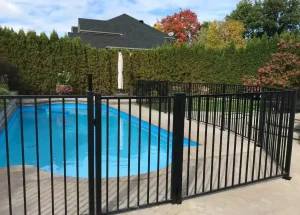
For homes, curb appeal often ranks as high as security. An ornamental steel fence with clean vertical pickets can frame a front yard without blocking sightlines or overwhelming the landscaping. The low maintenance profile also appeals to homeowners who don’t want to spend weekends with a wire brush and a can of rust converter.
Commercial and industrial sites lean harder on durability and access control. Ornamental steel fence systems handle impact better than wrought iron, which matters when delivery trucks are backing up nearby or when the fence line runs along a busy parking area. Height, picket spacing, and gate automation all factor into the security equation. Local building codes often specify minimum requirements for commercial perimeter fencing, so checking those regulations early saves headaches later.
Design Flexibility Without Sacrificing Strength
The word “ornamental” sometimes creates the impression that these fences are purely decorative. In practice, ornamental steel fence products can be engineered for serious structural loads while still looking good. The fabrication process allows for custom heights, specialized picket profiles, and integrated gate frames that match the fence line.
Color options have expanded well beyond basic black. Powder coating can match nearly any RAL color, so a fence can complement brick, stucco, stone, or siding without clashing. Some projects call for privacy slats or mesh inserts, which can be added to standard ornamental steel fence panels without compromising the frame’s integrity.
Custom work does cost more, but the premium often pays off in property value and user satisfaction. A fence that fits the architecture tends to disappear into the landscape rather than standing out as an afterthought.
Installation Practices That Prevent Problems
Even the best fence materials fail if the posts aren’t set properly or the panels aren’t aligned. Frost heave, settling soil, and wind loads all stress a fence over time, and sloppy installation accelerates those problems.
Post depth matters more than most people realize. In cold climates, posts need to extend below the frost line to prevent heaving. Concrete footings should cure fully before panels go up. Gate posts take extra abuse from repeated opening and closing, so they typically need larger diameters or additional bracing.
Once installed, ornamental steel fence systems require minimal ongoing care. A rinse with a garden hose removes most dirt. If the powder coating gets scratched, touching up the spot with matching paint prevents rust from taking hold. Annual inspections catch loose fasteners or minor damage before they become expensive repairs.
Quality Standards and Environmental Considerations
Manufacturing processes vary widely across the fencing industry. Automated production lines with consistent quality control produce more reliable results than small-batch operations where coating thickness and cure times fluctuate. Certifications and adherence to international standards provide some assurance that a product will perform as advertised.
Aluminum and zinc steel fencing systems have environmental advantages beyond durability. Both materials are recyclable at end of life, and the extended lifespan reduces the frequency of replacement. Less frequent replacement means fewer resources consumed over the long term.
Get Started With the Right Fencing Solution
Hubei Yulong Environmental Protection Building Materials Technology Co., Ltd. manufactures aluminum and zinc steel fencing systems designed for residential, commercial, and municipal applications. Our automated production lines and advanced surface treatments deliver consistent quality and long-term performance. Reach out at +8619072006155 or yloongfence@gmail.com to discuss your project requirements and find a fencing solution that fits.
Frequently Asked Questions About Decorative Iron and Ornamental Steel Fences
How do advanced surface treatments reduce long-term maintenance costs?
Galvanization creates a zinc layer that corrodes preferentially, protecting the underlying steel for years before any touch-up becomes necessary. The powder coating on top resists UV degradation and chipping, so the finish stays intact through temperature swings and harsh weather. Together, these layers mean an ornamental steel fence can go a decade or more without repainting, while traditional wrought iron might need attention every two to three years.
Do these fencing products meet international safety and environmental standards?
Manufacturing processes at reputable facilities follow established quality and environmental protocols. Materials are selected for durability and recyclability, and production methods minimize waste. Specific certifications vary by manufacturer, so requesting documentation during the specification phase confirms compliance with relevant standards for your region.
Can ornamental steel fences be customized to match historical or modern architectural styles?
Yes. The fabrication process accommodates custom heights, picket designs, finials, and color matching. Whether a project calls for a traditional look that complements a Victorian home or a minimalist profile for a contemporary commercial building, ornamental steel fence systems can be tailored to fit. Gate designs, automation hardware, and privacy features can all be integrated into the overall system.