
Getting deck railing posts right determines whether a system holds up for decades or starts showing problems within a few seasons. The difference often comes down to decisions made before the first hole is drilled—material choice, mounting method, and how well the installation accounts for the specific conditions of the site. This piece walks through the planning, execution, and long-term care that separates professional-grade railing work from installations that look fine on day one but create headaches later.
Planning That Prevents Problems Later
Successful deck railing post installation starts well before anyone picks up a drill. Local building codes—often based on the International Building Code—set non-negotiable requirements for structural loads, post spacing, and guardrail heights. Skipping this step creates liability exposure and potential rework costs that dwarf the time spent on initial research.
Site assessment reveals factors that shape every subsequent decision. Coastal properties face salt spray that accelerates corrosion on unprotected metals. High-traffic commercial locations need impact resistance that residential settings rarely demand. Even sun exposure patterns affect how surface finishes hold up over time.
Material selection flows directly from these site conditions. Aluminum delivers lightweight strength with inherent corrosion resistance, making it a natural fit for modern architectural designs and marine environments. Zinc steel, protected by galvanized coatings and advanced surface treatments, provides the robust impact resistance that security-focused installations require. Neither material is universally superior—the right choice depends on what the specific project actually needs.
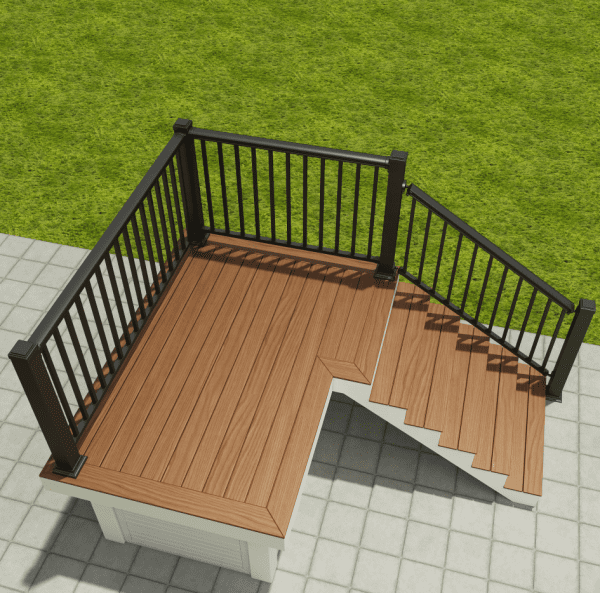
Pre-Installation Planning Checklist
- Verify all local building codes and permits.
- Conduct a thorough site assessment for structural integrity and environmental exposure.
- Determine required railing height and spacing per code.
- Select appropriate material (aluminum or zinc steel) based on project demands.
- Confirm structural load requirements for posts and infill.
- Plan for drainage and flashing details around post bases.
Material Properties Comparison
| Feature | Aluminum Railings | Zinc Steel Railings |
|---|---|---|
| Corrosion Resistance | Excellent (inherent) | Very good (via galvanization & coatings) |
| Strength-to-Weight | High | Moderate |
| Maintenance | Low | Low to Moderate |
| Aesthetics | Modern, sleek, versatile finishes | Traditional, robust, various powder coat colors |
| Typical Applications | Residential balconies, modern commercial spaces | Commercial perimeters, security fences |
Installation Methods That Create Lasting Connections
The mounting method determines how forces transfer from the railing system into the underlying structure. Each approach has specific requirements that, when followed precisely, create connections capable of handling the lateral loads that building codes anticipate.
Surface Mount Installation
Position the post base plate accurately on the deck surface. Drill pilot holes through the deck board and into the structural framing below. Secure the base plate using structural fasteners—lag screws or through-bolts—that penetrate the deck joists or blocking. Apply deck post flashing around the base to prevent water intrusion. Attach the post sleeve or decorative cover over the secured base.
Fascia Mount Installation
Mark post locations along the deck fascia board. Attach blocking material to the inside of the rim joist for reinforcement. Drill through the fascia board and blocking, then secure the fascia mount bracket to the rim joist using structural bolts. Ensure proper spacing and alignment for subsequent deck railing post installation. Mount the railing post directly to the secured bracket.
Core-Drilled Post Installation
Mark the precise location for each post on the concrete or masonry surface. Use a core drill to create a hole of specified diameter and depth. Clean the core-drilled hole thoroughly to remove debris. Insert the railing post into the hole, ensuring it is plumb. Fill the cavity with non-shrink grout or epoxy, allowing adequate curing time.
For all methods, verify post-to-deck connections can withstand lateral loads. Hubei Yulong’s Aluminum Deck Railing System and Aluminum Railing Balusters integrate smoothly with these mounting techniques. Proper tools—levels, drills, and torque wrenches—remain essential for professional results.
What safety measures matter most during deck railing post installation?
Fall protection for workers takes priority when working at heights. Every railing system must meet specified load bearing capacity requirements to prevent failure under pressure. Deck railing safety standards governing guardrail height and infill spacing are non-negotiable for both public and private applications. Safe work practices—proper tool usage, site hazard identification, and clear communication among crew members—minimize risks throughout the installation process.
Maintaining Performance and Appearance Over Time
Regular inspection catches minor issues before they become structural problems. A loose fastener addressed promptly costs almost nothing; the same fastener ignored for years can allow movement that damages surrounding components.
Cleaning practices should use mild detergents and soft cloths. Aggressive scrubbing or harsh chemicals can damage the surface treatments that provide corrosion protection. The goal is removing dirt and environmental deposits without compromising the protective layers beneath.
Hubei Yulong’s aluminum and zinc steel railings benefit from automated production and advanced surface treatment technology. These processes create finishes that resist chipping, fading, and UV degradation while reducing cleaning frequency. The self-cleaning properties of properly treated surfaces mean environmental debris doesn’t adhere as readily, keeping railings looking maintained with less effort. This engineering approach extends railing lifespan and reduces long-term maintenance burdens.
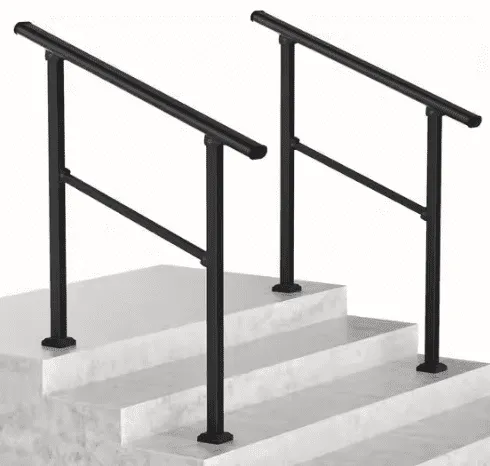
Maintenance Schedule
| Interval | Task | Detail |
|---|---|---|
| Monthly | Visual Inspection | Check for loose fasteners, damage, or excessive wear. |
| Quarterly | Mild Cleaning | Wash with soap and water to remove dirt and grime. |
| Annually | Thorough Inspection & Minor Repairs | Inspect for corrosion, repaint scratches, tighten loose components. |
| As Needed | Address Specific Damage | Promptly repair any impact damage or severe scratches to prevent spread. |
Finding Reliable Sources for Railing Components
Supplier evaluation requires looking beyond price to manufacturing capabilities, quality control protocols, and material certifications. Automated production lines ensure consistency and precision across large orders—critical when components from different batches need to fit together on the same project.
Quality control for imported fencing systems should include testing at every stage, from raw material inspection to finished product verification. This systematic approach catches defects before they ship, preventing jobsite delays and warranty claims.
Hubei Yulong’s expertise in exporting building materials simplifies logistics for international partners. Municipal, residential, and commercial fence sourcing all benefit from working with a manufacturer that understands both the technical requirements and the documentation needs of cross-border transactions. Access to durable, compliant Aluminum Balcony Railing and Residential Iron Fence solutions comes with the backing of long-term performance commitments.
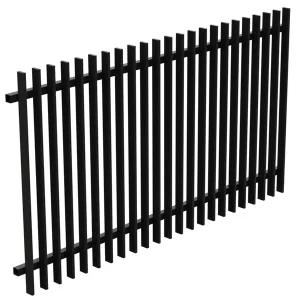
How do aluminum and zinc steel compare for long-term performance?
Aluminum railing durability stems from inherent rust and corrosion resistance, requiring minimal ongoing attention. The material’s light weight and resistance to salt spray make it particularly suitable for coastal deck railing post installation projects. Zinc steel fence maintenance is also manageable, with galvanization and powder coating providing environmental protection. Zinc steel offers superior impact resistance, making it the better choice for high-security applications or locations where physical contact is likely.
Solving Common Installation Problems
Uneven surfaces create alignment challenges that affect both appearance and structural performance. Precise shimming and leveling techniques ensure posts are plumb even when the underlying deck isn’t perfectly flat. Adjustable post bases provide another option for accommodating surface irregularities.
Material inconsistencies—variations in dimensions or finish quality—can cause fitment issues during assembly. Sourcing from manufacturers with automated production lines reduces this risk significantly. Components manufactured to tighter tolerances fit together as designed, reducing field modifications.
Preventing railing post wobbling requires attention to the structural connection beneath the visible components. Reinforcing the deck structure with blocking provides solid backing for fasteners. For fascia-mounted systems, the rim joist must provide adequate support—adding blocking behind the rim joist strengthens this connection.
Dry-fitting components before final assembly catches problems while they’re still easy to fix. Measuring twice and cutting once remains good advice. Quality materials reduce many installation challenges simply by being manufactured to specifications that allow predictable assembly.
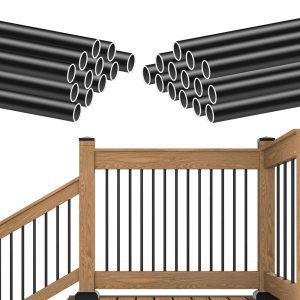
What problems come up most often during deck railing installation?
Uneven deck surfaces rank among the most common challenges. Adjustable post bases or shims achieve plumb and level installations despite surface irregularities. Inadequate structural support creates wobbling that worsens over time—proper blocking and robust fasteners that penetrate structural members address this issue. Meticulous planning, precise measurements, and high-quality pre-engineered components designed for reliable assembly prevent most problems before they occur.
Where Railing Design Is Heading
Sustainability concerns are shifting material preferences toward recycled aluminum and advanced composites. Environmental certifications increasingly influence specification decisions, particularly on public and commercial projects where procurement policies favor documented sustainability.
Smart railing systems incorporating LED lighting or security sensors are moving from novelty to practical option. Integrated lighting improves safety and ambiance without the visual clutter of add-on fixtures. Sensor integration supports security monitoring without obvious hardware.
Modular designs offering customizable finishes and flexible configurations respond to demand for greater design flexibility. Property owners and architects want railing systems that adapt to specific aesthetic visions rather than forcing projects to conform to limited standard options.
Hubei Yulong’s investment in research and development focuses on environmental building materials that combine durability with ecological responsibility. Products meeting current safety and performance standards while anticipating evolving market needs keep partners positioned for future opportunities.
Working with Hubei Yulong
Hubei Yulong Environmental Protection Building Materials Technology Co., Ltd. manufactures aluminum and zinc steel fencing solutions engineered for durability, aesthetics, and straightforward deck railing post installation. Advanced manufacturing processes and rigorous quality control ensure consistent, reliable products for projects of any scale. Contact the team to discuss specific project requirements or explore export capabilities. +8619072006155 | yloongfence@gmail.com
Frequently Asked Questions
How do Hubei Yulong’s railings achieve long-term durability with minimal maintenance?
Manufacturing uses automated production lines and advanced surface treatment technology. These processes create excellent corrosion resistance, strong weather durability, and self-cleaning performance that extends service life significantly. The combination reduces maintenance requirements for both contractors during installation and end-users over the product’s lifespan.
What makes importing from a specialized manufacturer worthwhile?
Specialized manufacturers maintain consistent quality standards across production runs. Hubei Yulong’s expertise in aluminum and zinc steel products, combined with efficient export processes, provides reliable solutions for municipal, residential, and commercial projects globally. Product integrity and timely delivery come from focused manufacturing experience rather than general-purpose production.
Can these railing systems meet international building codes?
Products are designed with versatility to accommodate diverse regulatory requirements. The team works with importers and contractors to ensure compliance with relevant international standards and specific project specifications for balcony, platform, and stair railings. Safety and regulatory adherence guide product development decisions.
What project types use these materials most commonly?
Aluminum and zinc steel fencing systems serve municipal projects, residential communities, industrial parks, and commercial developments. Applications include balcony and platform railings, stair handrails, various gates, and security fences. The materials contribute to both urban safety and environmental aesthetics across numerous sectors.