
Commercial pet fencing for veterinary clinics and pet hotels has to handle daily exposure to animal urine, powerful disinfectants, and constant washing that quickly degrade ordinary metal fences. Standard residential pet fence systems rarely account for the structural demands of kennel environments, where enclosure walls are leaned on, climbed, and subjected to repeated impact. Material selection and surface treatment directly determine how long a commercial animal enclosure will remain safe, clean, and structurally sound. From our engineering experience in metal fencing systems, we have learned that the upfront choice of alloy, coating, and panel design has a far greater effect on total ownership cost than most facility planners realize.
Why Commercial Pet Fencing Demands More Than Residential Systems
Cleaning protocols in a veterinary clinic or boarding kennel introduce chemical exposure that home pet fences never see. Daily spraying of quaternary ammonium, accelerated hydrogen peroxide, or peracetic acid solutions can accelerate corrosion on standard galvanized coatings. Urine also collects at post bases and panel intersections, creating acidic microclimates that eat through thin zinc layers over time. A fence that looks serviceable in a backyard becomes a rust hazard within two years in a commercial kennel environment if these factors are not accounted for during specification.
Structural loads differ as well. Commercial enclosures often contain multiple animals simultaneously, and larger dogs can exert substantial lateral force on panels when leaning or jumping. Welded joints and post anchors need to withstand repeated impact without loosening. At the same time, the surface needs to remain smooth enough to prevent injury from pawing and rubbing, which is a common source of skin abrasions on animals housed long-term. These mechanical and hygiene constraints together create a product requirement that is closer to institutional food-processing equipment than to residential fencing.
Comparing Materials for Commercial Pet Fencing Applications
Choosing the right base metal and coating system sets the service life of the entire installation. In our work with enclosure projects, we consistently see four material categories dominate the commercial pet fencing market. The performance differences become visible within the first year of heavy use.
| Material | Corrosion Resistance in Kennel Environments | Maintenance | Relative Cost | Best Application |
|---|---|---|---|---|
| Powder-coated aluminum | Excellent – resists urine and common disinfectants | Low – occasional cleaning, no repainting | Higher initial cost, lower life-cycle cost | Indoor/outdoor runs, high-hygiene vet clinics |
| Hot-dip galvanized steel | Good – but zinc coating can be attacked by some acidic cleaners | Moderate – may need touch-up at weld points | Moderate | Outdoor boarding kennel yards, large enclosures |
| Stainless steel 304 | Excellent – highly resistant to chemicals | Very low | High | Premium indoor animal wards, surgical prep areas |
| Galvanized chain link | Moderate – susceptible to rust at cut ends and urine splash zones | Moderate – requires inspection for loose wires | Lowest | Temporary runs, perimeter fences, backup enclosures |
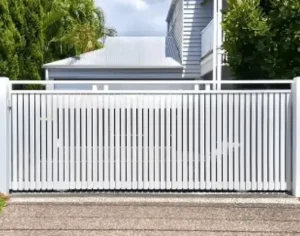
Aluminum 6063-T5 with a polyester powder coating applied over an epoxy primer layer consistently outperforms galvanized steel in wet, chemically active environments. I have seen kennels where galvanized posts were replaced within three years because urine had penetrated the post hole and corroded the buried section, while the adjacent powder-coated aluminum panels showed no measurable thickness loss. Stainless steel eliminates corrosion concerns entirely but pushes project budgets substantially higher and often requires more elaborate fabrication to create the smooth, closed shapes that prevent animal injury. Chain link serves its purpose for temporary or budget-driven installations, but facility owners should expect progressive rusting at the cut ends where the galvanizing is broken during weaving, especially in splash zones near water bowls and hose-down lanes.
If your facility uses specific disinfectants like accelerated hydrogen peroxide or quaternary ammonium, it is worth confirming the powder coating’s chemical resistance with your supplier early — reach out at sales01@yulongkeji-ch.com for technical data on our coating tolerance.
Safety and Hygiene Design Features That Matter
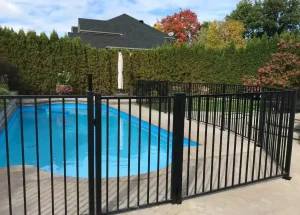
Beyond material chemistry, the physical design of the fence panel directly affects animal welfare and ease of sanitation. Vertical gaps between pickets or rails need to be narrow enough to prevent a paw or snout from being caught, yet wide enough that staff can visually inspect animals without opening every gate. A spacing of 65–80 mm between vertical elements satisfies both requirements for most dog breeds and cats, though facilities housing very small animals may need tighter spacing.
Weld seams on steel or aluminum panels must be ground smooth and free of sharp spatter. Animals that rub against enclosures repeatedly can develop pressure sores or cuts on protruding welds. Gate hinges and latch hardware present similar risks. Flush-mount latching mechanisms without exposed bolt heads reduce the risk of hair entanglement that we have occasionally observed with standard swing-gate hardware. For hygiene, continuous horizontal bottom rails that sit directly on the floor complicate drainage and trap debris. Elevating the panel by 30–50 mm above the finished floor allows wash water and urine to pass underneath while still preventing small animals from squeezing through, especially if a solid kick plate is attached to the lower section.
Customization and Sourcing for Commercial Projects
Commercial pet facilities rarely fit a standard panel height and width configuration. Mixed animal sizes, multiple room layouts, and future expansion plans mean the fence supplier should be able to fabricate custom panel heights, gate widths, and post configurations without drastically increasing lead time. Modular systems that use bolt-together connections rather than on-site welding give facility managers the flexibility to reconfigure enclosure layouts as the business grows.
When sourcing from a manufacturer, look for evidence of surface treatment quality control. For powder coating, certifications like Qualicoat or testing to ASTM B117 salt spray standards indicate a coating system that has been validated for long-term exterior use. Automated pretreatment lines that include degreasing, chromate conversion, and phosphating steps produce a more consistent bond between the aluminum and the powder coat than manual spray application, and this uniformity directly affects how the fence holds up after years of chemical cleaning.
Shipping complete fence systems internationally adds complexity that a project importer needs to plan for. The manufacturer should provide panel dimensions that optimize container loading and protective packaging that prevents scuffing of powder-coated surfaces during transit. Requesting a pre-shipment inspection report with close-up photos of weld seams and coating thickness measurements helps confirm the production run matches the approved samples.
When planning your facility, providing detailed dimensions and animal type allows us to engineer a system that meets international shipping and installation requirements. Contact us at sales01@yulongkeji-ch.com or +8619086315193 to discuss your project specifications.
Common Questions About Commercial Pet Fencing
What is the ideal height for commercial pet fencing?
For most dog boarding kennels and veterinary holding areas, a panel height of 1.2–1.5 m prevents casual jump-over while keeping staff sight lines open for monitoring. Facilities housing large, athletic breeds or wolf hybrids may need 1.8 m panels with an inward-angled top extension to defeat climbing. Cat enclosures require fully enclosed tops, regardless of wall height.
Can I use residential pet fence panels for a boarding kennel?
Residential panels often use thinner wall tubes and lighter-duty surface coatings that are not rated for repeated exposure to veterinary-grade disinfectants or constant hose-down cleaning. The warranty on consumer-grade systems typically excludes commercial use, and premature rusting or structural fatigue can create animal welfare risks that outweigh the initial cost savings. Upgrading to a commercial-spec system at the outset avoids expensive mid-cycle replacements.
In programs we have supplied, what gap spacing has proven safest for mixed-breed facilities?
A 75 mm vertical spacing works for the widest range of breeds, keeping adult paws from getting trapped while still allowing adequate ventilation. Facilities that board toy breeds or handle feline patients should specify a supplementary mesh liner for the lower 300 mm of each panel to prevent small animals from slipping through entirely.
What is the typical lead time for a custom pet fencing order?
A custom production run, including panel fabrication, surface treatment, and packaging, typically requires four to six weeks from drawing approval. Larger orders involving multiple container loads may extend to eight weeks during peak shipping season. The exact schedule depends on the complexity of the coating specification and the current factory queue, so confirming lead time with a target shipment date before finalizing facility renovation schedules is advisable.
How do I clean and sanitize aluminum pet enclosures?
Routine cleaning with a pH-neutral detergent and soft-bristle brush removes organic soiling without attacking the powder coat. High-pressure washing is acceptable at standoff distances above 300 mm to prevent water from forcing debris under rivets or seam joints. For disinfectant application, select quaternary ammonium or accelerated hydrogen peroxide products with proven compatibility with polyester powder coatings, and always rinse thoroughly with clean water to prevent chemical residue build-up. If your facility uses a disinfectant not listed on a coating compatibility chart, share the product name and we can confirm whether it is suitable for the specific coating system applied to your panels — reach us at sales01@yulongkeji-ch.com.
If you’re interested, check out these related articles:
Aluminum Fencing: Property Measurement Buyer’s Guide
Round Aluminum & Galvanized Steel Fence Posts: Ultimate Guide
Custom Aluminum Gates: OEM & ODM Solutions for Global Projects