
Getting fence posts right means understanding your specific ground conditions and climate patterns. I’ve seen installations fail within a single season because someone followed generic depth guidelines without accounting for local frost behavior or soil drainage characteristics. The variables matter more than most people realize, and the margin for error is smaller than you’d expect when you’re dealing with aluminum’s particular structural requirements.
Why Post Depth Determines Everything Else
The foundational stability of any aluminum fence hinges on correct post embedment. Insufficient depth can lead to post heaving, especially in regions with significant frost lines, compromising the entire fence structure. The correlation between frost line depth, soil composition, and appropriate post embedment prevents such failures and ensures structural integrity. Effective drainage around the post foundation is also crucial for long-term performance.
Matching Depth to Your Actual Soil and Climate
Optimal post depth is not a universal measurement. Sandy soils require deeper embedment than loamy soils due to their lower compaction resistance. Regions experiencing deep frost penetration necessitate posts extending below the frost line to mitigate frost heave. This prevents upward movement of the post caused by freezing and thawing cycles, which is the primary failure mode in cold climates.
| Soil Type | Climate Zone (Frost Depth) | Recommended Post Depth (Minimum) |
|---|---|---|
| Sandy | Shallow (<12 in) | 24 inches |
| Loamy | Shallow (<12 in) | 18 inches |
| Clay | Shallow (<12 in) | 20 inches |
| Sandy | Moderate (12-24 in) | 30 inches |
| Loamy | Moderate (12-24 in) | 24 inches |
| Clay | Moderate (12-24 in) | 26 inches |
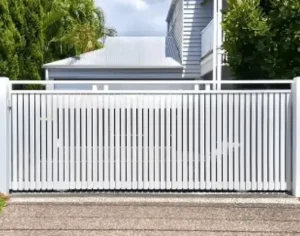
Post Spacing Affects Load Distribution and Wind Resistance
Precise post spacing is fundamental to the structural integrity and aesthetic appeal of an aluminum fence. Inconsistent spacing can lead to uneven load distribution, panel sagging, and increased vulnerability to wind forces. The engineering principles behind proper load distribution and panel support are essential for achieving wind resistance and maintaining panel integrity. Each Aluminum Fence Panels needs adequate support at both ends.
How Panel Length Drives Your Spacing Calculations
Accurate calculation of post spacing is vital for efficient installation and material utilization. Standard fence panels often dictate the general spacing, but custom lengths require precise measurement to avoid gaps or excessive cutting. If a panel is 6 feet long, posts should typically be set slightly less than 6 feet apart to allow for mounting brackets. This approach minimizes waste and ensures a professional finish while maintaining proper aluminum fence post spacing throughout the installation.
Anchoring Methods That Actually Hold
Effective anchoring is critical for the long-term stability of aluminum fence posts, particularly in challenging environments. Different anchoring materials and methods suit different environmental challenges and load requirements. The performance of concrete, gravel, and specialized anchoring systems varies significantly under diverse conditions. For areas requiring enhanced security, consider a Aluminum Security Fence.
Choosing Anchors Based on What Your Site Demands
Choosing the optimal anchoring method requires careful consideration of site-specific factors. Rocky soils may necessitate specialized drilling equipment or non-traditional anchoring solutions. Sloped areas demand techniques that counteract gravitational forces and prevent soil erosion around the post base. High-wind zones require deeper and wider concrete footings to resist uplift and lateral pressures. Evaluating soil reports and local building codes helps determine the most effective anchoring strategy for aluminum fence post installation.
| Anchoring Method | Pros | Cons | Ideal Conditions |
|---|---|---|---|
| Concrete | High strength, excellent stability | Permanent, difficult to remove, costly | Most soil types, high-wind areas |
| Gravel | Good drainage, adjustable | Less stable than concrete, requires compaction | Well-drained soils, moderate loads |
| Dry Concrete Mix | Faster set, less mess | Can be less strong than wet mix | Moderate loads, good drainage |
| Earth Anchors | Non-invasive, good for temporary fences | Lower load capacity, not for all soils | Temporary installations, light fences |
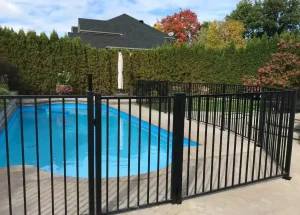
What Keeps Aluminum Fences Standing for Decades
The longevity of an aluminum fence extends beyond its initial installation through diligent post-installation care and maintenance. Best practices in post-installation checks, routine maintenance, and proactive problem-solving significantly extend the service life of aluminum fences. Regular inspection helps identify potential issues early, preventing costly repairs.
Aluminum fences, known for their corrosion resistance, still benefit from periodic cleaning to remove dirt and debris that can accumulate and potentially compromise the finish. Mild soap and water work well for cleaning, while abrasive materials should be avoided since they could scratch the surface. Checking post caps and ensuring they are securely in place prevents water ingress into the posts, which could lead to internal corrosion or structural weakening over time. Regularly inspect the fence line for any signs of shifting or damage, particularly after severe weather events. Promptly addressing any loose fasteners or damaged panels maintains the fence’s structural integrity and appearance. For specific applications like Aluminum Balcony Railing, maintenance checks should include all connection points and fasteners.
How Hubei Yulong Builds Fencing That Performs
Hubei Yulong Building Materials Co., Ltd. provides superior fencing solutions by integrating advanced manufacturing processes with stringent quality control. Automated production lines and advanced surface treatment technology achieve outstanding corrosion resistance, strong weather durability, and self-cleaning performance. These features directly contribute to the extended service life of products and support the principles of proper aluminum fence post installation. The product range includes Aluminum Stair Railing System and Aluminum Deck Railing Kit.
The commitment to environmental protection and urban beautification is reflected in every product delivered. Specializations include residential and commercial fences, balcony and platform railings, and stair handrails, all designed to meet rigorous safety and performance standards. This expertise ensures that fencing systems provide reliable safety protection and enhance the aesthetic value of municipal projects, residential communities, industrial parks, and commercial developments. Products are exported globally, demonstrating adherence to international quality benchmarks.
Frequently Asked Questions
Q1: How does frost line depth impact aluminum fence post installation?
Frost line depth matters because water in the soil expands when it freezes, creating upward pressure on fence posts through frost heave. Aluminum fence posts must be embedded below the deepest anticipated frost penetration depth in your region. This keeps the post foundation stable throughout freeze-thaw cycles, maintaining the fence’s alignment and structural integrity over multiple seasons.
Q2: What happens when fence post spacing is off?
Improper fence post spacing creates both structural and aesthetic problems. Posts too far apart cause fence panels to sag, become unstable under wind loads, or even detach. Posts placed too close together make panel installation difficult, waste materials, and create an uneven appearance. Correct aluminum fence post spacing ensures optimal load distribution and panel support.
Q3: Is gravel a viable alternative to concrete for anchoring?
Gravel can work for anchoring aluminum fence posts in well-drained soils and for lighter fence applications. It offers good drainage and allows for easier post adjustments or removal compared to concrete. Gravel generally provides less stability and resistance to uplift or lateral forces than concrete, though. For heavy-duty fences or in areas with high wind loads, concrete remains the more robust anchoring solution.
Partner with Hubei Yulong for Engineered Fencing Solutions
For robust and aesthetically superior aluminum fencing systems, collaborate with Hubei Yulong Building Materials Co., Ltd. Expertise in automated production and advanced surface treatments ensures products with exceptional corrosion resistance and long service life. Contact us today to discuss your project requirements or to learn more about comprehensive fencing solutions. Reach us at +8619086315193 or sales01@yulongkeji-ch.com.
internal links article:YLOONG Solutions: Engineered for Security, Designed for Performance