
Cable railing for pool decks usually fails before installation begins, at the specification stage. Over twelve years of reviewing pool edge barriers, I have seen the same pattern repeat: a buyer locks cable diameter and post finish, then learns during inspection that material grade, post spacing, or tensioning does not line up with the adopted code. Safety, visibility, and code compliance function as one system, not three separate decisions. This article walks through the requirements that matter for wet, corrosive pool environments and what a specifier must check before committing to an order.
What Makes Cable Railing for Pool Decks a Safer Design Choice?
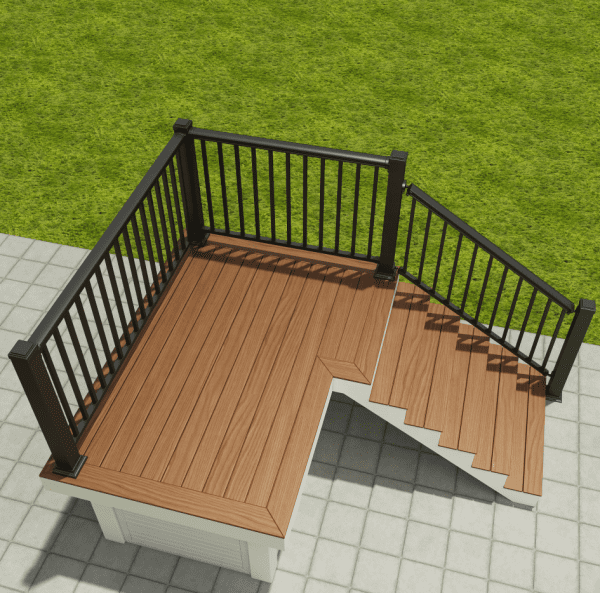
Cable railing earns its place on pool decks because it keeps sightlines open while carrying guard loads through tensioned stainless steel wire. Aluminum or steel posts take the concentrated load at each end, and the cables run close enough to stop a small child from slipping through. The visual advantage is real, but the safety case depends on tension. A cable that looks taut can still deflect enough under body load to fail the sphere test the inspector performs.
I have seen this at a waterfront property where a 304 stainless system looked new after one season but had lost enough tension to open the lower runs beyond the code opening limit. T316 wire and properly swaged fittings held their set far better. That is the distinction: pool deck cable railing is safe when it is specified as a tensioned system, not as a set of decorative horizontal wires.
Which Pool Deck Cable Railing Requirements Must Projects Meet?
The first code check is whether the railing is guarding a deck edge or enclosing the pool itself. A deck edge guard usually follows the 36 in residential or 42 in commercial minimum height and faces a 4 in sphere opening test. A pool barrier frequently sits under a stricter standard: 48 in minimum height and a nonclimbable requirement in many adopted pool codes. Horizontal cables are often the point of discussion because children can use them as a ladder. Some authorities approve horizontal cable railing on the outer deck edge but reject it as the primary pool enclosure. The specifier has to confirm both roles before choosing a layout. We see fewer compliance issues when buyers send the authority having jurisdiction the post section, cable spacing, and tensioning method together, rather than asking for a generic pool railing.
How Does Post Spacing and Tensioning Preserve Pool Safety?
Post spacing controls cable deflection more than most buyers expect. On long straight runs, posts are commonly set at 4 ft to 6 ft centers, but the actual distance depends on post size, frame rigidity, and the cable construction. T316 1×19 cable stretches less than 7×7 construction and produces a cleaner line, while 7×7 cable bends more easily through angle transitions. The table lists the main options.
| Cable construction | Flexibility | Best pool deck application |
| T316 1×19 | Low stretch, smooth surface | Long straight runs and uniform post centers |
| T316 7×7 | More flexible | Short runs and angle hardware |
| T316 1×7 | Moderate | Budget systems with close post spacing |
Tensioning is equally important. Each run needs consistent cable load, typically set by the manufacturer rather than by feel. A torque wrench or calibrated tension gauge reduces the risk of overtightening, which can pull posts inward, or undertightening, which opens the lower cable spacing. In our review of installations, the most common field defect is uneven tension between adjacent cables. The human eye notices the visual wave, and the inspector sees the larger effective opening. Pool deck environments compound the problem because temperature cycles between morning shade and direct sun move stainless wire and aluminum posts at different rates.
If your project includes a pool edge with salt exposure, custom post centers, or a local amendment to the pool code, confirm the cable construction and fitting grade before finalizing the bill of materials. Send your initial post layout to sales01@yulongkeji-ch.com and we will check the specification against the loads and opening limits.
What Should a Pool Deck Cable Railing Specification Include?
A complete specification names four things: material grade, wire construction and diameter, post and hardware finish, and the tensioning method. For pool decks, grade is the most consequential. T316 or T316L stainless steel resists chloride pitting better than 304 in splash zones, and the same grade should extend to swage fittings, threaded studs, and tensioners. Mixing 316 cable with 304 hardware creates a weak point at the most loaded location. Wire diameter is commonly 1/8 in or 3/16 in, with the heavier cable covering longer spans and higher tension. Post finish matters because aluminum posts near chlorinated water need a powder coated surface with sealed cuts and stainless hardware to avoid galvanic corrosion. We treat the specification as a complete chain: cable, fitting, post, and fastener all have to survive the same water chemistry.
How Do You Validate a Pool Deck Cable Railing Supplier?
Ask for three documents before the order leaves the factory: the stainless steel mill certificate, the tension test report for the cable assembly, and the applicable finish warranty. The mill certificate confirms the actual grade, which matters because some suppliers describe cable as marine grade while supplying 304. The test report should show uniform tension capacity across the runs you are ordering, not a generic catalog value. A supplier that cannot name the fitting type or the swaging process is unlikely to stand behind a pool deck installation. Our team at Hubei Yulong manufactures stainless steel cable railing systems in T316 configuration and prepares export orders with the same inspection records we use for our aluminum and zinc steel fencing lines.
Specifying cable railing for pool decks becomes straightforward when material grade, post spacing, and tensioning align with the inspections the project will actually face. If your drawing includes a pool edge, coastal exposure, or a local code amendment, send the layout and the code section to sales01@yulongkeji-ch.com or call +8619086315193. We will confirm the cable construction, fitting grade, and tensioning details before you commit to the order.
What Questions Do Buyers Ask About Pool Deck Cable Railing?
Is cable railing considered a climbable pool barrier?
The answer depends on the code and the barrier location. When the cables run horizontally along a pool enclosure, many adopted codes treat them as climbable because the spacing creates footholds. Some jurisdictions still approve them at the outer deck edge where the railing serves as a guard, not the primary barrier. A buyer should not assume one approval covers both conditions. We recommend confirming the planned cable spacing and post layout with the authority having jurisdiction before fabrication, especially when the same product surrounds the waterline.
Does T316 stainless always hold up in saltwater pool environments?
Not automatically. T316 reduces chloride pitting compared with 304, but crevice corrosion can still start where the cable enters a swage fitting if the fitting traps water and the grade does not carry through the entire assembly. A system is only as resistant as its least noble component. In pool deck applications we check three points: the cable itself, the end fitting material, and the protective treatment on any aluminum post. When those three match, T316 performs well in salt spray and chlorinated splash zones.
How much maintenance does a pool deck cable railing system need?
In projects around chlorinated decks or saltwater air, we schedule a twice yearly inspection rather than waiting for visible slack or surface staining. The check includes cable tension, fitting movement, post base condition, and any scratches in the powder coated finish. Most service issues show up first at the end fittings, so retightening and cleaning those points prevents a small problem from becoming a code failure. Share your pool deck dimensions and the applicable code section, and we will confirm whether a cable railing system matches before you order.
If you’re interested, check out these related articles:
Freestanding Outdoor Privacy Screens: Patio & Balcony Solutions
Aluminum Fencing: Property Measurement Buyer’s Guide
Commercial Aluminum Fencing: 5 Key Business Applications
Aluminum Fences: School & Playground Safety Compliance