
Most glass railing failures start at the hardware, not the glass. A clamp that bites too hard, a channel that traps water, or a spigot set in an oversized core hole can turn an engineered railing into a maintenance problem. I have reviewed glass railing hardware specifications for residential balconies, pool decks, and commercial stairs, and the same pattern appears: buyers compare glass thickness long before they check fastener grade, bearing area, and drainage path. The sections below cover the clamps, channels, and spigots that carry the load, plus the decisions that determine whether a hardware set performs for years or becomes a call-back.
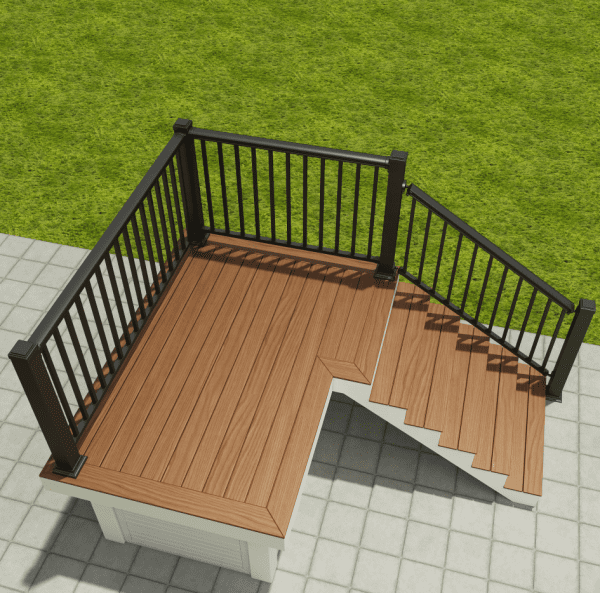
Glass Railing Hardware Selection Criteria
Glass railing hardware is a structural component, not a decorative accessory. The first three checks I make on any glass railing hardware specification are glass panel thickness, support condition, and exposure. A 10 mm tempered panel in a residential bedroom guard carries far less load than a 15 mm panel used on a commercial terrace, and the hardware has to match that difference. The clamp mouth, channel throat, and spigot stem are sized to a specific glass thickness range. Substituting a thinner or thicker panel after the hardware is ordered creates stress points at the glass edge.
In our engineering reviews, we treat the hardware as the load path. If a clamp plate is stamped thin or a spigot base is undersized, the glass can be perfect and the system still fails. Selection begins with the specification from the structural engineer, then moves to environment: interior stairs, pool decks, and coastal balconies need different stainless steel grades and drainage strategies.
Clamp Configurations and Load Paths
Clamp selection is the first branch in most glass railing hardware layouts. A clamp’s job is to transfer glass load into the post or wall without point-loading the glass edge. The most common configurations are face-fixed clamps, corner clamps, and clamp-and-standoff combinations. Face-fixed clamps work on straight runs where the post sits behind the glass. Corner clamps are more difficult to install because the glass panels meet at 90 degrees and the clamp body has to handle shear from two directions. Standoffs keep the glass off the post and are common on stair railings, but they increase the lever arm on the bolt and the glass hole, so the hole edge distance and bolt diameter need to be checked against the panel thickness.
| Clamp Type | Best Use | What to Verify |
|---|---|---|
| Face-fixed clamp | Straight balcony runs | Clamp grip range matches glass thickness |
| Corner clamp | 90-degree glass joints | Two-axis adjustment and hole alignment |
| Standoff clamp | Stair and point-fixed guards | Bolt diameter and glass edge distance |
| Spigot-mounted clamp | Frameless sections between posts | Stem embedment and base plate thickness |
Why Does Clamp Bite Pattern Matter More Than Clamp Count?
A wider clamp mouth spreads the load over more glass. More clamps do not fix a narrow bite because the stress remains at the glass edge. I would rather specify four clamps with full-surface jaws than six clamps with a thin contact line. In renovation work where existing holes do not align, a slotted clamp can absorb minor misalignment, but it should not be used to force a panel into a position the structure cannot accept.
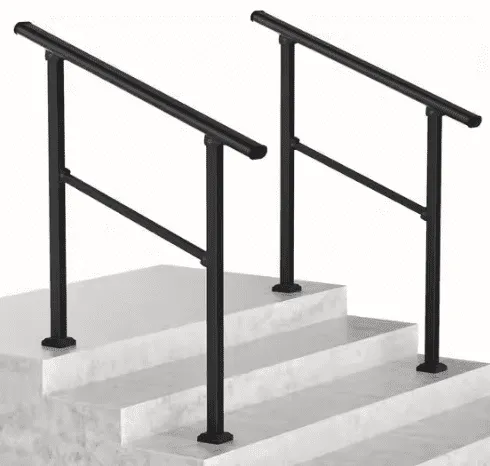
Channel Systems for Continuous Bottom Support
A channel is the least visible part of a glass railing hardware set, but it does some of the hardest work. Also called a base shoe or U-profile, it carries the glass along its bottom edge from below. It works best on terraces, pool decks, and straight balconies where the glass line is continuous. The channel has to do three things: hold the glass at the right height, drain water away from the setting block, and limit lateral movement at the base. In a glass railing hardware channel, water is the main enemy. When water collects inside the channel, it attacks the setting blocks and the gaskets, and the first sign is usually a white residue near the joint. That is why I prefer channel profiles with weep slots or a sloped internal base rather than a closed rectangular section.
How Do Drainage Slots and Setting Blocks Work in a Channel?
Setting blocks are not spacers. They position the glass at the correct depth and transfer the panel weight to the channel, so the block material and spacing matter as much as the profile itself. In a long run, a channel without expansion allowance will bind at the joints when the deck moves. We check the gap between glass panels and the fixing intervals before the profile is cut.
If your project includes a long channel run with expansion joints, it is worth confirming the setting block spacing and drainage layout before finalizing your BOM. Send your panel dimensions to yloongfence@gmail.com and we will check the hardware layout against site conditions.
Spigot Hardware in Glass Railing Layouts
Among glass railing hardware options, a spigot is the cleanest visual choice and the least forgiving to install. It carries the glass from a single point at the base. The spigot stem is set into a core-drilled hole or bolted to a structural base, and the glass is then clamped into the spigot head. The two failure points I see most often are undersized core holes and edge distances that are too small for the glass holes. If the hole is too large, the spigot can rotate under load. If the glass hole is too close to the panel edge, the tempered glass can fail long before the hardware does.
What Core Hole Diameter and Edge Distance Should a Spigot Layout Use?
For a typical 12 mm tempered glass panel, the glass hole edge distance should be checked against the spigot drawing. A common starting point is to keep the hole center at least 80 mm from the panel edge, but I would not accept a spigot layout without confirming the actual edge distance from the fabricator. In our project reviews, we ask for the spigot drawing and panel schedule together because a correct hole location on the spigot drawing can still be wrong on the glass cutting table.
Sourcing Glass Railing Hardware With Confidence
Stainless steel grade is the hardware variable that most affects service life. 304 stainless works indoors and in mild exterior locations. 316 stainless contains molybdenum and performs better near pools, coastal air, and de-icing salts. The difference is not cosmetic; pitting in a 304 spigot near a saltwater balcony can appear within a few seasons. For most exterior glass railing hardware, I specify 316 stainless for clamp bodies, spigot stems, and fasteners, with a smooth or satin finish that is easier to clean than a rough cast surface.
Sourcing glass railing hardware from catalogs often leaves the most important questions unanswered: what embedment depth the spigots need, whether the channel throat matches the required glass thickness, and whether the stainless will hold up within walking distance of the coast. Hubei Yulong works differently. We review your panel layout, wind load, and installation method before we confirm a hardware set, so the clamps, channels, and spigots arrive as a matched system rather than a collection of parts. Send your drawing and part number list to yloongfence@gmail.com or call +8619072006155, and we will return a technical review with a quotation.
Common Questions About Glass Railing Hardware
How do I know whether to use clamps, channels, or spigots?
Start with the base condition and what the glass railing hardware has to attach to. A continuous concrete curb or steel beam takes a channel well. A single structural point at each panel, such as a stair landing or a slab edge without a curb, usually points to a spigot. Clamps work best when the railing has posts or a wall behind the glass. The choice is not only visual; it changes drilling, waterproofing, and the hardware quantity. If the base has no continuous support, specify a spigot layout and send the section drawing for review.
Is 304 stainless steel acceptable for a poolside glass railing?
It depends on distance from the water and cleaning frequency. In a fully interior pool hall, 304 can work. Outdoors within a few hundred meters of salt water, or directly beside a chlorine pool, 316 is the safer choice because the molybdenum content resists pitting in chloride-rich air. The additional cost is usually small compared with replacing pitted spigots after installation. We specify 316 for exterior pool and coastal projects, especially for fasteners, which are the first components to show tea staining.
Can the same glass panel work with both channel and spigot hardware?
A common mistake is to assume the glass is interchangeable after the hardware is selected. Channel systems usually use rectangular or notched panels, while spigot systems need drilled holes with specific edge distances. A panel machined for one system often cannot be reused in the other without new holes, and additional holes in tempered glass are not practical. Decide the hardware first, then issue the glass fabrication drawings.
What information should I send to get an accurate hardware quotation?
In projects we have quoted, the most accurate responses came from drawings that showed panel width, glass thickness, height above the floor, and the base material. A photo of the site shows us whether the edge is concrete, steel, or tile, which changes the fixing method. Send your elevation drawings and panel schedule to yloongfence@gmail.com or call +8619072006155, and we will confirm the hole locations and hardware grades before you order.
If you’re interested, check out these related articles:
Wrought Iron vs Ornamental Steel Fence: Cost & Alternatives
Steel Fence Quality Control: Essential Pre-Shipment Checks