
An aluminum blade fence for luxury homes isn’t simply a boundary—it’s a statement of modern design, engineering precision, and long-term value. After more than a decade working with architectural metal products, I’ve seen how the right fencing transforms a property’s perception, privacy, and durability. When properly engineered, aluminum blade fences deliver sleek aesthetics, enduring performance, and minimal upkeep, making them the clear choice over wood or steel for high-end residential projects. But not all blade fences are created equal, so understanding the key specification details that separate a premium product from a standard one can save you from expensive surprises down the line.
What Makes Aluminum Blade Fencing Ideal for Luxury Homes?
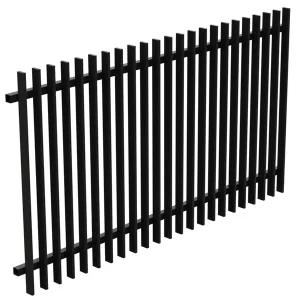
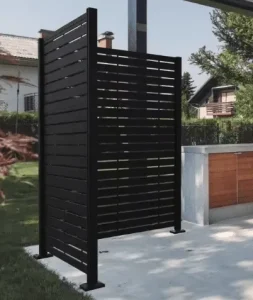
Luxury architecture depends on clean lines, controlled views, and materials that hold their integrity without constant attention. A blade fence—also called a louvered fence—uses horizontal or vertical aluminum slats fixed at precise angles to balance privacy with openness. The effect is a sculptural, modern look that complements high-end exteriors while requiring almost none of the painting, staining, or rot repair that wood fences demand.
From a material standpoint, using 6063-T5 or T6 aluminum alloy provides an excellent strength-to-weight ratio and natural corrosion resistance. The hot-dip galvanized steel posts we typically specify inside the aluminum panels add structural rigidity without breaking the modern silhouette visible from the street. In my experience, this combination solves the recurring complaint I hear from architects: how to get architectural character without introducing maintenance burdens that luxury homeowners won’t tolerate. And because aluminum is fully recyclable, it also aligns with the sustainability goals many high-end developers now require.
How Do Blade Angle and Design Affect Privacy and Airflow?
The angle at which the blades are set directly controls two things: how much your outdoor space is screened from passersby and how much breeze passes through. This interplay matters for luxury homes where pool areas, outdoor kitchens, or terraces need visible separation without feeling boxed in. A tighter angle—typically 30 to 45 degrees—gives near-total privacy from eye-level sightlines but still allows air movement, reducing heat buildup and wind load on the fence structure.
On properties exposed to coastal winds, specifying a slightly more open angle and a heavier-duty post anchoring system is worth discussing early. We’ve supplied blade panels to waterfront homes where the combination of 6063-T6 alloy frames and marine-grade powder coating made the difference between a system that looked new after five years and one that needed panel replacement. If your project involves a steep slope, stepped installation or custom-cut blade lengths allow the clean horizontal lines to follow the grade without losing alignment, something that is far more difficult to achieve with wood or welded steel panels.
What Quality and Engineering Standards Matter for Blade Fences?
The aesthetic appeal of a blade fence is the first thing noticed, but the specifications you don’t see have the biggest impact on lifespan. Three areas require close attention: the powder coating process, the blade-to-frame connection, and dimensional tolerances.
A quality powder coat on architectural aluminum should meet AAMA 2604 or, ideally, AAMA 2605 standards for color retention and chalk resistance. For luxury homes in harsh sun or salt air, the five-year chalking difference between a 2604 and a 2605 finish is pronounced—and a dull, faded fence is the first sign a project cut corners. In our experience, a minimum coating thickness of 60 microns and a chromate conversion pretreatment are the baseline for any fence we’d recommend for a high-end project.
Equally important is how the blades attach to the vertical stiles. Welded or mechanically fastened joints must maintain their rigidity across thermal expansion cycles. If a blade twists even a few degrees over time, the entire sightline loses its clean, uniform appearance. We’ve seen cheaper systems where press-fit blades loosen within two years; the solution is a fully assembled, jig-aligned panel with mechanically secured blade brackets and anti-rotation features. These are not things the typical consumer examines, but they determine whether the fence still looks like a luxury product after five summers of heat and rain.
How Does Customization and Installation Work for Luxury Projects?
Because luxury homes rarely fit standard dimensions, a custom approach is the norm. We manufacture blade fence panels in widths from 600 mm to 2000 mm and heights up to 2500 mm, with the ability to match almost any RAL color specified by the architect. Posts, gates, and even integrated lighting channels can be engineered into the system from the beginning, avoiding visible add-ons that compromise the design.
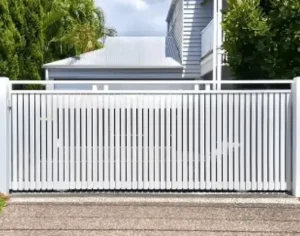
If your installation involves uneven ground or curved boundaries, the modular nature of blade fences helps. Panels are fabricated to the exact required width and angle, while posts are anchored into concrete footings designed for the soil condition. We always advise clients to have a local installer, but providing a complete set of shop drawings and an installation manual based on our engineering model ensures the onsite crew can replicate the design intent exactly. For larger estates, planning motorized gates with matching blade infill and access control is a natural extension that we coordinate during the panel fabrication phase so sightlines remain consistent.
Where Can You Source High-Quality Aluminum Blade Fences?
For a product that must look flawless, direct sourcing from a specialized manufacturer offers advantages that general distributors can’t match. We handle the full production chain—from aluminum extrusion and precision cutting to powder coating line management—which means quality isn’t delegated to a third party. When you order a black blade fence panel from us, for example, the alloy temper, coating thickness, and dimensional tolerance are documented, not guessed.
A practical step when sourcing is to request a sample panel section, not just a photograph. A physical sample reveals how sharp the blade edges are, the consistency of the coating gloss, and the stiffness of the panel. We regularly ship sample kits to architects overseas because the tactile impression matters. For volume orders, we also provide third-party test reports covering salt spray resistance and mechanical strength, which can be submitted to project engineers for approval.
If you’re specifying a blade fence for a luxury project and need a system that holds its aesthetic and structural integrity for decades, send your project dimensions and finish requirements to sales01@yulongkeji-ch.com or call +8619086315193. Our engineering team will return a custom solution including shop drawings, pricing, and lead time.
Common Questions About Aluminum Blade Fences
Are aluminum blade fences suitable for coastal properties?
Yes, when the correct alloy, coating, and hardware are specified. For salt-laden air, we recommend 6063-T6 alloy with AAMA 2605-compliant powder coating and stainless steel fasteners throughout. In our projects within 500 meters of the coastline, this combination has shown no pitting or structural degradation over eight years of exposure. The extra material cost is marginal compared to the replacement cost of a standard fence that corrodes prematurely.
How much does a custom aluminum blade fence cost per linear foot?
Pricing depends on blade density, panel height, finish, and post configuration, but as a reasonable expectation, fully assembled blade fence panels for luxury applications typically range from $30 to $60 per linear foot, excluding shipping and installation. This assumes a factory-direct order with a minimum quantity around 100 linear feet. For smaller unique designs, the per-foot cost increases because setup charges are amortized over fewer panels.
What maintenance does the powder-coated finish require?
A coated fence needs only occasional rinsing with mild soap and water to remove environmental buildup. Aggressive cleaning agents or abrasive pads can dull the finish, so we recommend avoiding high-pressure washers close to the surface. If a scratch does reach the metal, a factory-matched touch-up kit can seal the area before any oxidation starts. In normal residential settings, an annual visual check is usually sufficient.
Can blade fences integrate with smart home or security systems?
Yes. Posts can be pre-drilled for low-voltage wiring to support LED accent lighting, motion sensors, or gate openers. We regularly supply panels with concealed wiring channels for clients who want perimeter lighting without visible conduits. The key is communicating these requirements before fabrication so that cable pathways and mounting points are integrated into the panel design rather than retrofitted later.
What should I prepare before requesting a quote?
The most important details to gather are the total linear length of the fence run, the desired height, the RAL color reference you prefer, and any gate dimensions or special conditions like slopes, curved sections, or coastal exposure. Including a site plan or a few photographs helps our team anticipate challenges. Share your requirements with us at sales01@yulongkeji-ch.com and we’ll provide a comprehensive proposal tailored to your project.
If you’re interested, check out these related articles:
Assembled vs Welded Aluminum Gates: Performance, Cost, & Use Cases
Aluminum Pool Fence Safety: Standards, Heights, & Supplier Guide
Custom Chain Link Fence: Gauges, Heights, Gates & Bulk Guide