
Choosing a fence material sounds straightforward until you actually start comparing options. The old wrought iron gates I grew up seeing around historic neighborhoods always looked impressive, but I’ve watched enough of them rust through to know that beauty comes with a price. Modern materials have changed the equation considerably. Steel, zinc steel, and aluminum each bring something different to the table, and understanding those differences matters more than most people realize when they’re planning a fence that needs to last.
Traditional Wrought Iron Still Has Its Place
Traditional wrought iron fencing carries a certain weight, both literally and historically. Blacksmiths once forged this low-carbon iron alloy into elaborate patterns that signaled wealth and provided genuine security. The hand-worked details and solid presence still appeal to owners of period homes or anyone drawn to that classic aesthetic.
The material itself, though, presents real challenges. Wrought iron rusts. It rusts aggressively if you live anywhere with humidity, salt air, or regular rainfall. Keeping it intact means scraping, priming, and repainting on a schedule most homeowners underestimate. Skip a few seasons of maintenance and the deterioration accelerates fast. What started as a minor rust spot becomes structural weakness. The fence that once looked stately starts looking neglected, and restoring it costs more than maintaining it would have.
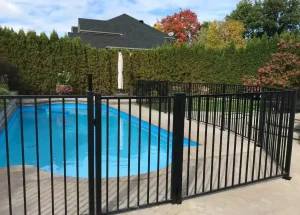
Steel Fencing Changed the Durability Equation
Steel fencing systems represent a genuine leap forward in durable fencing technology. Modern steel benefits from manufacturing precision that wrought iron never had. The alloy composition is controlled, the components are standardized, and installation becomes more predictable.
What really separates contemporary steel from its predecessors is the protective coating technology. Galvanization applies a zinc layer that acts as a sacrificial barrier against corrosion. The zinc corrodes first, protecting the steel underneath. Powder coating then adds a second line of defense while providing color options and a smooth finish that resists chipping.
These combined treatments extend service life dramatically. A properly coated steel fence can go decades without the scraping and repainting cycle that wrought iron demands. The maintenance drops to occasional cleaning, and the structural integrity holds.
Steel also offers design flexibility that suits modern architecture. Clean lines, consistent spacing, and uniform finishes work well for contemporary homes and commercial properties alike.
| Feature | Traditional Wrought Iron | Modern Steel (Galvanized & Powder Coated) |
|---|---|---|
| Strength | High | Very High |
| Initial Cost | High | Moderate to High |
| Maintenance | High (Rust, Repainting) | Low (Occasional Cleaning) |
| Lifespan | Moderate (with maintenance) | Long (20+ years) |
| Corrosion Resistance | Poor | Excellent |
Zinc Steel and Aluminum Push Performance Further
Building on steel’s advantages, zinc steel and aluminum fencing systems refine the formula for contemporary projects. Hubei Yulong Building Materials Co., Ltd. focuses on these high-performance materials, using automated production lines and advanced surface treatment processes.
Zinc steel fences undergo multiple protective layers. Galvanization comes first, followed by zinc phosphate treatment, then electrostatic powder coating. Each layer adds protection, and the combination produces corrosion resistance that holds up in demanding environments. The fence maintains both structural integrity and appearance for decades without the intervention traditional materials require.
Aluminum fencing takes a different approach. The material weighs less than steel but engineers have developed alloys and profiles that deliver comparable security. Aluminum naturally resists rust through oxide formation on its surface, which means it starts with an advantage in corrosive environments. Powder coating adds durability against physical wear, UV exposure, and temperature cycling.
Both zinc steel and aluminum fences from Hubei Yulong feature self-cleaning surfaces that shed dirt and debris. This reduces maintenance to occasional washing. The materials also support sustainable building practices, making them suitable for municipal projects, residential communities, industrial facilities, and commercial developments.
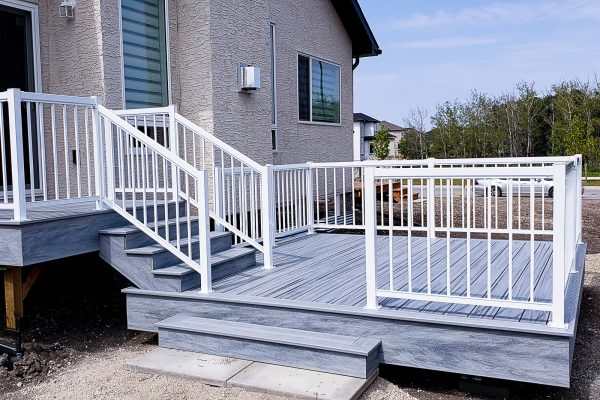
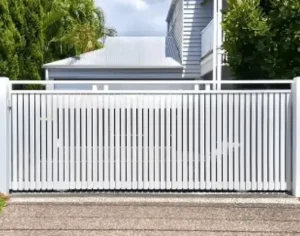
What is the average lifespan of a steel fence compared to wrought iron?
Traditional wrought iron fences typically last 15 to 25 years before requiring major restoration or replacement, even with consistent maintenance. Rust and material fatigue eventually win. Modern galvanized and powder-coated steel fences reliably reach 30 to 50 years with minimal upkeep. Zinc steel fences from Hubei Yulong often exceed those figures because the multi-layer surface treatments provide protection that standard coatings cannot match. The extended service life translates directly to better long-term value.
Are modern aluminum fences as secure as traditional wrought iron?
Modern aluminum fences provide security that matches or exceeds traditional wrought iron for most applications. Aluminum alloy development and structural engineering have produced profiles that handle significant force. The material’s strength-to-weight ratio actually works in its favor, allowing for robust construction without excessive mass. Combined with secure mounting systems and options like Aluminum Privacy Fence or Aluminum Slat Fence panels, aluminum creates an effective barrier. For residential and commercial properties, a well-designed aluminum fence delivers excellent protection.
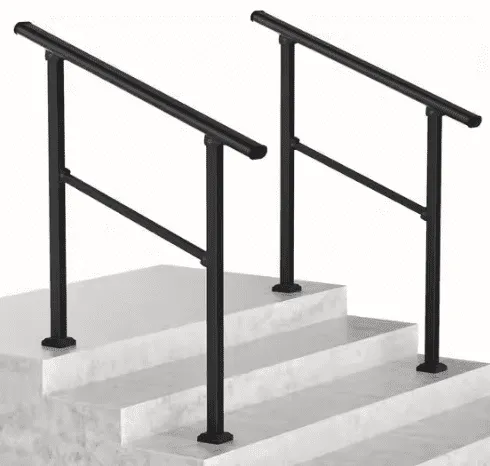
Durability, Cost, and Maintenance All Factor Into the Decision
Selecting a fencing solution requires looking beyond the purchase price. Durability encompasses material strength, corrosion resistance, and how the fence handles weather cycling. Initial cost covers materials and installation labor. Maintenance includes cleaning, painting, repairs, and eventual replacement, all of which contribute to total ownership cost over the fence’s life.
Modern materials like zinc steel and aluminum typically cost more upfront than basic options. That higher initial investment pays back through reduced maintenance and extended service life. A Residential Iron Fence needs regular painting to prevent rust. A powder-coated aluminum fence needs soap and water occasionally. Over twenty or thirty years, those differences compound significantly.
Understanding the trade-offs helps buyers make decisions that work economically over the long term rather than just at the point of purchase.
| Feature | Initial Cost | Annual Maintenance Cost | Expected Lifespan |
|---|---|---|---|
| Wrought Iron | High | High | 15-25 Years |
| Galvanized Steel | Moderate | Low-Moderate | 20-40 Years |
| Zinc Steel | Moderate-High | Very Low | 30-50+ Years |
| Aluminum | Moderate-High | Very Low | 30-50+ Years |
How does the maintenance cost differ between steel, wrought iron, and zinc steel fences?
The gap is substantial. Traditional wrought iron fences carry the highest maintenance burden because rust removal and repainting become necessary every three to five years. Standard galvanized steel fences need less attention but may still require periodic touch-ups where the coating wears. Zinc steel fences from Hubei Yulong demonstrate dramatically lower maintenance costs. The multi-layer surface treatment provides protection that eliminates the repainting cycle entirely. Periodic cleaning with soap and water keeps the fence looking good and performing well for decades.
Matching the Material to Your Specific Situation
Choosing the right fence material starts with understanding what you actually need. Security requirements differ from aesthetic goals, and both differ from privacy concerns. A Aluminum Security Fence makes sense where protection matters most. Decorative applications might prioritize appearance and finish options.
Environmental conditions matter significantly. Coastal properties face salt air that accelerates corrosion. Humid climates promote rust. These conditions favor aluminum or advanced zinc steel over traditional iron. Dry inland areas offer more flexibility in material choice.
Budget planning should account for the full ownership period, not just installation day. A fence that costs less initially but needs repainting every few years may cost more over twenty years than a premium material that requires only occasional cleaning.
Aesthetic preferences remain valid considerations. Modern designs often benefit from the clean profiles and consistent finishes that aluminum and zinc steel provide. Historical properties might still call for traditional styling, though modern materials can often replicate that appearance without the maintenance penalty.
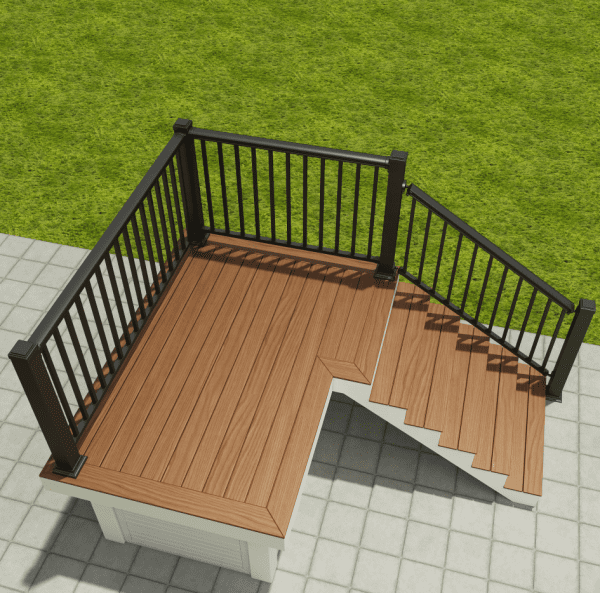
Manufacturer quality and warranty terms deserve attention. Hubei Yulong offers solutions including Aluminum Balcony Railing and Aluminum Stair Railing System designed for specific performance requirements and backed by quality guarantees.
Frequently Asked Questions About Modern Fencing
What are the primary advantages of zinc steel fences over traditional options?
Zinc steel fences from Hubei Yulong resist corrosion through advanced surface treatments that traditional materials cannot match. The maintenance requirement drops to occasional cleaning rather than regular painting. Service life extends well beyond what wrought iron achieves even with diligent upkeep. The combination delivers strong long-term value while maintaining aesthetic appeal across residential, commercial, and municipal applications.
Can Hubei Yulong’s fencing systems be customized for specific project requirements?
Hubei Yulong provides tailored fencing solutions through automated production capabilities. Customization options include design variations, dimensional specifications, and finish selections. Aluminum and zinc steel fences can be configured to meet specific aesthetic requirements and security demands for residential, commercial, or municipal projects. The manufacturing process accommodates project-specific needs while maintaining quality standards.
How does Hubei Yulong ensure the durability and weather resistance of its fencing products?
Hubei Yulong uses advanced surface treatment technology combined with high-quality aluminum and zinc steel base materials. This approach delivers corrosion resistance, weather durability, and self-cleaning performance. The fences withstand harsh environmental conditions while maintaining structural integrity and appearance over extended service periods. Quality control throughout production ensures consistent long-term performance.
Partner with Hubei Yulong for Advanced Fencing Solutions
Hubei Yulong specializes in high-performance aluminum and zinc steel fencing systems that deliver corrosion resistance, durability, and extended service life. Our solutions serve municipal, residential, industrial, and commercial projects worldwide. Contact us for a consultation to discuss how our fencing expertise can address your specific project requirements.
+8619086315193 | sales01@yulongkeji-ch.com
If you’re interested, check out these related articles:
YLOONG Solutions: Engineered for Security, Designed for Performance