
Finding the right supplier for wholesale steel garden fence panels can make or break a distribution business. After years of working with manufacturers across different regions, I’ve learned that the gap between a reliable partner and a problematic one shows up in every delayed shipment, every quality complaint from an end customer, and every margin squeezed by hidden costs. The panels themselves might look similar in a catalog, but the sourcing strategy, pricing structure, and supply chain behind them determine whether a distributor thrives or struggles. This piece walks through what actually matters when building a wholesale fencing operation—from material selection to logistics optimization—based on what works in practice rather than theory.
Why Product Diversity Shapes Sourcing Decisions
Effective strategic sourcing for wholesale steel garden fence panels starts with understanding that different customers need different solutions. A residential contractor replacing a backyard fence has entirely different requirements than a commercial developer securing an industrial park. The sourcing approach must account for this range.
Galvanized steel fences remain the workhorse of the industry. The zinc coating bonds metallurgically with the base steel, creating a barrier that prevents oxidation even when the surface gets scratched. For general residential applications where budgets matter more than aesthetics, these panels deliver reliable performance without premium pricing.
Powder-coated steel panels step up the visual appeal. The electrostatic application process creates a finish that resists chipping, fading, and chalking far better than traditional paint. Commercial properties and upscale residential projects often specify these panels because they maintain their appearance for years with minimal maintenance.
| Fence Panel Type | Primary Application | Key Benefit |
|---|---|---|
| Galvanized Steel | General purpose, residential | Corrosion resistance |
| Powder-Coated Steel | Decorative, commercial | Enhanced aesthetics, weather resistance |
| Ornamental Steel | High-end residential, gardens | Aesthetic appeal, property value |
| Security Fence Panels | Industrial, commercial | High security, robust construction |
| Modular Fence Systems | Large-scale projects | Rapid installation, design flexibility |
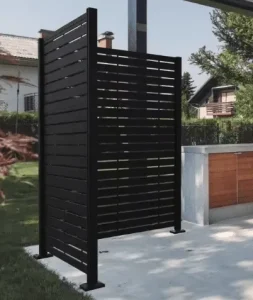
Ornamental steel fencing serves a different market segment entirely. These decorative garden fences add property value and curb appeal, making them popular for high-end residential installations where the fence functions as much as an architectural element as a boundary marker.
Security fence panels and heavy-duty steel barriers address industrial and commercial needs where protection takes priority. The gauge of steel, the spacing of pickets, and the connection points all factor into the security rating these panels can achieve.
Modular fence systems and pre-fabricated fence panels have gained traction for large-scale projects. The standardized components reduce installation time significantly, which matters when labor costs keep climbing. A crew that can install 30% more linear feet per day directly impacts project profitability.
How Pricing Models Affect Distributor Margins
The pricing conversation goes deeper than just the per-panel cost. Bulk order discounts and volume pricing tiers create the foundation, but the real margin picture emerges only when all costs hit the spreadsheet.
Manufacturing costs vary based on raw material prices, which fluctuate with global steel markets. A supplier who locked in material costs six months ago might offer better pricing than one buying on the spot market. Understanding where a manufacturer sits in this cycle helps explain price differences that otherwise seem arbitrary.
Freight costs have become increasingly significant. Shipping containers that cost $2,000 pre-pandemic now run $4,000 to $8,000 depending on the route and season. A supplier offering factory direct pricing but located far from major ports might actually cost more than a slightly higher-priced manufacturer with better logistics positioning.
Customs duties add another layer. Steel products face varying tariff rates depending on origin country and specific product classification. Some manufacturers structure their products specifically to qualify for lower duty categories—a detail worth understanding before finalizing supplier relationships.
Payment terms matter for cash flow management. A supplier requiring 100% upfront payment creates different working capital requirements than one offering 30% deposit with balance due before shipment. For distributors managing inventory across multiple product lines, these terms can affect overall business liquidity.
Minimum order quantity requirements shape which suppliers make sense for different distribution scales. A manufacturer with a 500-panel MOQ might offer excellent per-unit pricing but create inventory challenges for smaller operations. The sweet spot lies in finding suppliers whose MOQ aligns with actual sales velocity.
What Drives Wholesale Price Variations
Wholesale steel garden fence panels typically range from $15 to $75 per linear foot at the wholesale level, with the spread driven by several factors. Material specifications create the baseline—heavier gauge steel costs more but lasts longer. Design complexity adds labor and tooling costs. Ornamental panels with intricate patterns require more manufacturing steps than simple vertical picket designs.
Order volume remains the most controllable variable. A 1,000-panel order might price at $45 per panel while a 5,000-panel commitment drops to $38. The manufacturer’s setup costs, material purchasing power, and production efficiency all improve with scale, and those savings pass through to pricing.
Raw material costs fluctuate with global markets. Steel prices can swing 20% within a quarter based on demand from construction, automotive, and infrastructure sectors. Suppliers who maintain material inventory can buffer these swings, while those buying just-in-time pass volatility directly to customers.
Quality Assurance That Protects Your Reputation
Product quality directly impacts distributor reputation. One batch of panels that rust prematurely or arrive with damaged coatings creates customer service headaches that cost far more than the margin on those panels.
Material selection starts the quality chain. Zinc steel alloy and aluminum alloy fences offer different performance profiles. Zinc coatings provide sacrificial protection—the zinc corrodes preferentially, protecting the underlying steel even if the coating gets damaged. Aluminum alloys resist corrosion inherently but cost more and offer different structural properties.
Surface treatment technology has advanced significantly. Modern automated production lines apply multi-layer anti-corrosion coatings with precision that manual processes cannot match. The base layer bonds to the metal, intermediate layers build thickness and flexibility, and topcoats provide UV protection and color stability.
Weather resistance testing should be part of any supplier evaluation. Salt spray testing, humidity cycling, and UV exposure testing all predict real-world performance. A supplier who can provide test data demonstrates commitment to quality that verbal assurances cannot match.
ISO certification provides a baseline quality management framework. The certification itself doesn’t guarantee product quality, but the documentation and process controls required for certification create systems that catch problems before they reach customers.
Verification Steps for Bulk Orders
Quality inspection protocols should be established before the first order ships. Define what gets measured, how measurements happen, and what tolerances trigger rejection. For wholesale steel garden fence panels, critical parameters include coating thickness, dimensional accuracy, weld integrity, and surface finish consistency.
Material testing reports provide objective quality data. Request mill certificates for the base steel showing chemical composition and mechanical properties. Coating thickness measurements should be documented with calibrated instruments. These reports create accountability and provide recourse if problems emerge later.
Supplier audits offer direct insight into manufacturing capabilities. Walking a production floor reveals things that catalogs and certifications cannot—how workers handle materials, how quality checks integrate into production flow, whether equipment appears maintained or neglected. Even a virtual tour provides useful information for distant suppliers.
Warranty provisions should be clear and enforceable. Understand what’s covered, for how long, and what the claim process requires. A 10-year warranty means little if the claim process requires shipping panels back to the factory at distributor expense.
Supply Chain Strategies That Reduce Risk
Supply chain optimization for wholesale steel garden fence panels balances cost, speed, and reliability. The cheapest shipping option means nothing if panels arrive damaged or three weeks late.
Inventory management systems have become essential for distributors handling significant volume. Knowing exactly what’s in stock, what’s committed to orders, and what’s in transit prevents both stockouts and overstock situations. Modern systems integrate with supplier portals to provide visibility into production status and shipping timelines.
Lead times vary significantly between suppliers and seasons. A manufacturer running at 60% capacity might deliver in three weeks while one at full capacity quotes eight weeks. Understanding supplier capacity utilization helps predict realistic delivery timelines rather than relying on optimistic estimates.
Logistics partnerships matter more than many distributors realize. A freight forwarder who specializes in building materials understands the handling requirements, documentation needs, and routing options that generalists might miss. The relationship often pays for itself in avoided damage claims and customs delays.
Packaging solutions directly affect damage rates. Wholesale steel garden fence panels need protection from both impact and moisture during transit. Suppliers who invest in proper packaging—corner protectors, moisture barriers, secure banding—deliver products that arrive ready to sell rather than requiring inspection and sorting.
Production capacity becomes critical during demand surges. A supplier who can scale up quickly when orders spike provides flexibility that smaller operations cannot match. Understanding maximum capacity and typical utilization helps predict how a supplier will perform when everyone wants product simultaneously.
Market Applications That Drive Demand
Steel fencing demand spans multiple market segments, each with distinct requirements and buying patterns. Understanding these applications helps distributors position inventory and marketing effectively.
Municipal projects represent significant volume opportunities. Cities and towns specify steel fencing for parks, schools, public facilities, and infrastructure projects. These contracts often go through formal bidding processes with detailed specifications, requiring distributors to provide documentation and compliance certifications.
Residential communities drive steady baseline demand. Homeowners associations, property developers, and individual homeowners all need fencing solutions. The residential market tends toward aesthetic considerations alongside functionality, making powder-coated and ornamental options popular.
Industrial parks and commercial developments prioritize security and durability. These buyers specify heavy-gauge panels, anti-climb features, and integration with access control systems. The decision-makers are often facility managers or security directors who evaluate total cost of ownership rather than just purchase price.
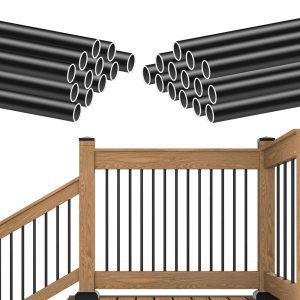
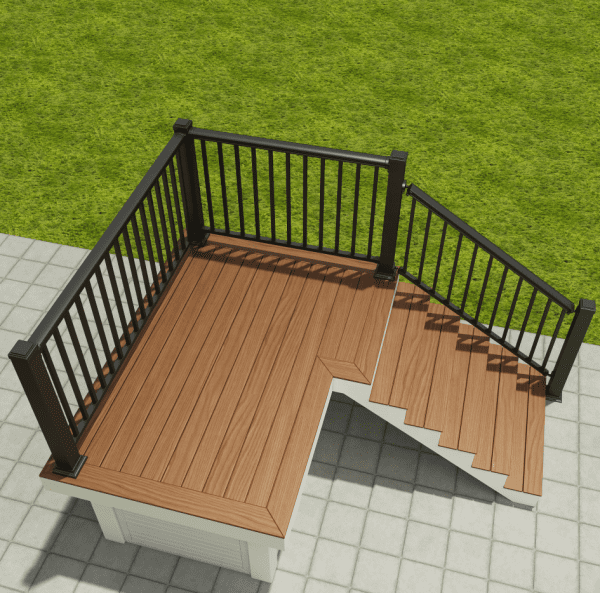
Infrastructure projects including balcony railings and stair handrails extend the product range beyond traditional fencing. These applications require specific load ratings and code compliance, creating opportunities for distributors who can provide engineering documentation alongside products.
Gate solutions complement fence panel sales. Single-open gates and double-open gates complete perimeter systems and often carry higher margins than standard panels. Matching gate styles to fence designs creates upselling opportunities that benefit both distributor and customer.
Ornamental Steel Fence
Ornamental Metal Fence Panels
Residential Iron Fence
Commercial Metal Fence
What Makes a Manufacturing Partner Valuable
The right manufacturing relationship provides advantages that extend beyond product supply. Direct factory pricing eliminates intermediary markups, improving margins without requiring higher selling prices. The savings compound across large order volumes.
Custom design options differentiate distributors in competitive markets. When a commercial client needs panels matching specific architectural requirements, the ability to deliver custom solutions wins business that catalog-only competitors cannot capture. Manufacturing partners with design flexibility become strategic assets.
Technical support resolves problems before they become customer complaints. Access to engineering teams who understand product specifications, installation requirements, and performance characteristics helps distributors answer questions confidently and troubleshoot issues efficiently.
Warranty terms backed by manufacturer commitment provide customer assurance. Clear documentation of coverage, duration, and claim processes builds confidence in the product and the distributor selling it.
After-sales service demonstrates long-term partnership orientation. Suppliers who remain engaged after payment clears—providing replacement parts, addressing quality concerns, supporting warranty claims—prove their value over time.
Direct Manufacturer Advantages
Buying wholesale steel garden fence panels directly from a manufacturer creates several distinct benefits. Cost efficiency improves immediately through elimination of intermediary markups. A panel that passes through a trading company, then a regional distributor, then a local supplier accumulates margin at each step. Direct sourcing captures that margin for the distributor.
Product customization becomes practical with direct manufacturer relationships. Communicating specific requirements—dimensions, colors, design elements—directly to production teams reduces misunderstandings and enables solutions that wouldn’t be possible through catalog ordering.
Technical guidance flows more accurately from source. Engineers who designed the product understand its capabilities and limitations better than salespeople working from spec sheets. Direct access to this expertise helps distributors serve customers more effectively.
New product access often comes first to direct partners. Manufacturers developing innovative solutions typically offer early access to established distribution partners before broader market release. This head start can provide competitive advantage in fast-moving markets.
Common Questions About Wholesale Steel Fence Distribution
What Delivery Timelines Should Distributors Expect
Bulk orders of wholesale steel garden fence panels typically ship within 3 to 6 weeks from order confirmation. This timeline covers manufacturing, quality inspection, and initial logistics coordination. Standard configurations from existing tooling move faster than custom designs requiring new setups.
Order size affects timing. Smaller orders might consolidate with other shipments, adding a few days. Very large orders might require extended production runs. Seasonal demand patterns also influence lead times—spring ordering typically faces longer waits than winter.
Shipping duration adds to manufacturing lead time. Ocean freight from Asia to North America runs 3 to 4 weeks. European destinations might see 4 to 5 weeks. Air freight dramatically shortens transit but at costs that rarely make sense for heavy steel products.
How Custom Designs Work in Practice
Custom wholesale steel garden fence panels start with design consultation. Distributors share project requirements—dimensions, style preferences, performance specifications—and manufacturing teams develop proposals. CAD drawings allow review before production begins.
Tooling requirements affect custom project timelines and costs. Designs using existing tooling with modified dimensions move quickly. Entirely new patterns requiring custom dies add setup time and tooling charges that spread across the order quantity.
Minimum quantities for custom work typically exceed standard product MOQs. The setup costs and production changeover time need sufficient volume to justify. Distributors should discuss custom project minimums early in the conversation to ensure alignment.
Payment Structures for Distribution Partners
Standard payment terms for wholesale steel garden fence panels require a deposit upon order confirmation, typically 30% of order value. The remaining balance comes due before shipment, usually evidenced by bill of lading or similar documentation.
Established partners with proven payment history often negotiate more favorable terms. Extended payment windows, reduced deposit percentages, or credit facilities become available as the relationship demonstrates reliability.
Payment methods include wire transfer, letter of credit, and various trade finance instruments. Each carries different costs and protections. Letters of credit provide security for both parties but add banking fees and documentation requirements.
Corrosion Protection Methods and Performance
Corrosion resistance for wholesale steel garden fence panels comes from layered protection systems. Hot-dip galvanization creates the foundation—immersing steel in molten zinc produces a metallurgically bonded coating that protects even if scratched or cut.
Powder coating adds the second layer. The electrostatically applied finish provides additional barrier protection while enabling color options and enhanced aesthetics. Quality powder coatings resist UV degradation, maintaining appearance for years.
Multi-layer systems combine these approaches. Galvanized base steel receives powder coating over the zinc layer, creating redundant protection. If the powder coat chips, the galvanization continues protecting the steel underneath.
Testing validates protection effectiveness. Salt spray testing per ASTM B117 subjects coated samples to accelerated corrosive conditions. Quality wholesale steel garden fence panels should demonstrate 1,000+ hours of salt spray resistance without red rust formation.
Partner with Hubei Yulong Today
Ready to elevate your inventory with high-quality, durable steel garden fence panels at competitive wholesale pricing? Partner with Hubei Yulong Building Materials Co., Ltd. for reliable supply, advanced manufacturing, and dedicated support. Contact us today to discuss your distribution needs and explore our comprehensive range of fencing solutions. Reach out via +8619086315193 or sales01@yulongkeji-ch.com for a personalized consultation.
If you’re interested, check out these related articles:
YLOONG Solutions: Engineered for Security, Designed for Performance