
Living near the coast means accepting that salt air will test everything you build. I learned this watching a neighbor’s steel fence turn orange within two seasons, while the aluminum one three houses down still looks untouched after a decade. The difference comes down to chemistry, not luck.
Why Salt Air and Humidity Destroy Most Fencing Materials
Coastal and humid environments attack fencing through two relentless mechanisms. Salt-laden air deposits chlorides onto surfaces, which then draw moisture from the atmosphere. This combination triggers electrochemical reactions that eat through protective coatings and base metals alike. The process never stops because the salt keeps arriving and the humidity keeps the reaction going.
Steel fences face the worst of it. Chlorides penetrate any weakness in galvanized coatings and initiate pitting corrosion that spreads beneath the surface. Within three to five years, structural members can lose significant cross-sectional area. Wood absorbs moisture continuously in humid conditions, creating ideal conditions for fungal decay and insect activity. The swelling and shrinking cycles from moisture changes also loosen fasteners and warp boards.
The replacement cycle gets expensive fast. Property owners in these areas often find themselves repainting, repairing, or replacing fences every few years. This drives the search for materials that can handle salt spray resistance without constant intervention.
| Material | Coastal Environment Performance | Inland Environment Performance |
|---|---|---|
| Wood | Rapid rot, warping, pest issues | Moderate rot, weathering |
| Steel | Severe rust, structural failure | Rust if untreated, good if galvanized |
| Aluminum | Excellent corrosion resistance | Excellent corrosion resistance |
| Vinyl | UV degradation, brittleness | Good, but can become brittle |
| Composite | Fading, mold growth | Good |
How Aluminum Forms Its Own Protective Shield
Aluminum behaves differently from steel when exposed to oxygen and moisture. Within milliseconds of exposure to air, aluminum forms a thin aluminum oxide layer across its entire surface. This oxide is dense, stable, and bonds tightly to the underlying metal. When scratched, it reforms almost immediately.
The oxide layer explains why marine grade aluminum performs so well in saltwater exposure. Unlike iron oxide (rust), which is porous and flaky, aluminum oxide creates an actual barrier. Salt spray can land on the surface, but the chlorides cannot penetrate to reach reactive metal beneath. The chemistry works in aluminum’s favor rather than against it.
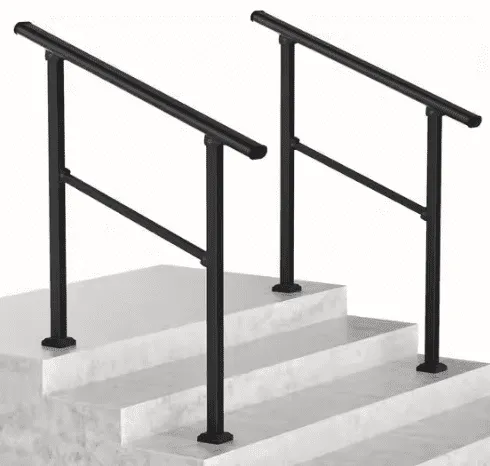
Alloy selection matters for demanding applications. The 6063-T5 aluminum alloy combines silicon and magnesium additions that improve strength and formability while maintaining excellent corrosion behavior. This alloy has become standard for architectural fencing because it welds cleanly, extrudes into complex profiles, and holds up in coastal conditions without special treatment.
Which Aluminum Alloys Handle Saltwater Best?
The 6063-T5 alloy dominates architectural fencing applications for good reason. Its composition balances mechanical properties with corrosion performance, and the T5 temper provides adequate strength without making the material brittle. For installations directly exposed to breaking waves or constant salt mist, anodizing the surface thickens the natural oxide layer from a few nanometers to several micrometers. This extended barrier provides additional insurance against the most aggressive coastal conditions.
Surface Treatments That Extend Protection Further
Raw aluminum resists corrosion well, but surface treatments add durability that matters over decades. Hubei Yulong applies powder coating technology through a controlled multi-stage process. The preparation phase removes oils, oxides, and contaminants that would prevent adhesion. A chemical conversion coating then creates microscopic texture that locks the powder in place.
The electrostatic application deposits powder evenly across complex shapes, reaching into corners and recesses that spray painting often misses. Curing at elevated temperatures melts and cross-links the powder into a continuous film. The result is a finish that resists UV degradation, impact damage, and chemical attack far better than liquid paints.
These coatings matter most for color retention. Bare aluminum weathers to a dull gray over time, which some people accept but others find unappealing. A properly applied powder coat maintains its original appearance for years, requiring only occasional washing to remove accumulated salt and dirt.
What Makes Hubei Yulong’s Surface Treatment Process Effective?
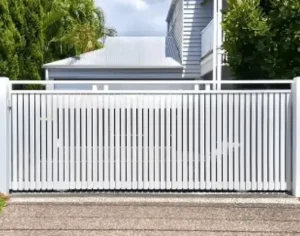
The effectiveness comes from attention to each stage rather than any single secret ingredient. Substrate preparation removes contamination that causes adhesion failures. The powder formulations themselves are selected for outdoor durability rather than cost alone. Curing parameters are controlled to ensure complete cross-linking without thermal damage. This systematic approach produces a corrosion resistant fence finish that performs consistently across production runs. The weather durable fence technology protects against the combined assault of salt, humidity, and ultraviolet radiation.
Getting the Installation Details Right
Material selection solves only part of the problem. Installation practices determine whether a fence survives storms and resists moisture accumulation. Coastal areas often experience high wind loads, and hurricane-prone regions require engineering calculations for post spacing and embedment depth. Undersized posts or shallow foundations invite failure during the first serious storm.
Drainage deserves more attention than it usually receives. Fence designs that trap water against posts or panels create localized conditions worse than the general environment. Sloped grades, weep holes, and panel gaps allow water to escape rather than pool. These details seem minor until corrosion appears exactly where water collected.
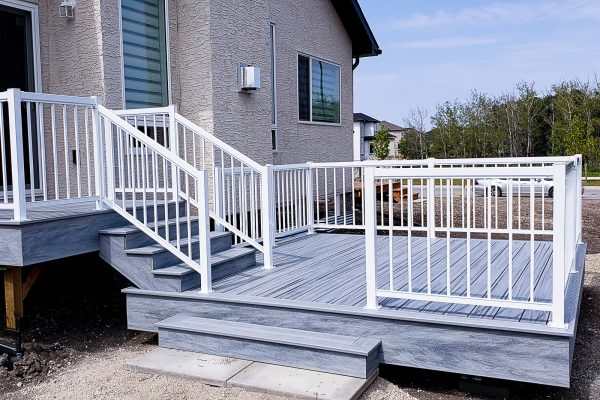
The aesthetic appeal coastal homes demand can be satisfied without compromising durability. Aluminum extrusions can replicate ornamental ironwork profiles, clean modern lines, or traditional picket styles. The material accepts powder coating in virtually any color. Residential coastal fencing and commercial humid environment fencing projects both benefit from designs that address environmental challenges while meeting architectural expectations.
What to Expect Over the Long Term
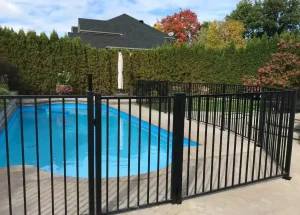
Aluminum fencing in coastal climates typically outlasts the buildings it surrounds. The combination of inherent corrosion resistance and protective coatings eliminates the degradation mechanisms that limit other materials. There is no rust to spread, no rot to progress, no protective layer to reapply annually.
Maintenance requirements are genuinely minimal. Periodic washing removes salt deposits before they can accumulate to problematic levels. A garden hose and soft brush handle most situations. Inspecting fasteners and hardware annually catches any issues before they become problems. This low maintenance fencing approach appeals to property owners tired of the constant attention that wood and steel demand.
Hubei Yulong backs this performance with warranty coastal areas coverage that reflects confidence in the product. The fence longevity these sustainable fencing solutions provide makes the initial investment worthwhile over any reasonable time horizon.
How Should You Maintain Aluminum Fences in Humid Climates?
The routine is straightforward. Wash the fence two to four times per year with mild soap and water, more frequently if salt spray is heavy. This aluminum fence cleaning removes the chloride deposits that could otherwise concentrate on the surface. Rinse thoroughly to avoid soap residue. Inspect the finish for any scratches or chips that expose bare metal, and touch up with matching paint if needed. These simple steps preserve both appearance and protection.
Working with Hubei Yulong on Coastal Projects
Hubei Yulong Building Materials Co., Ltd. manufactures aluminum and zinc steel fencing systems for demanding applications. The product range covers residential and commercial fences, balcony and platform railings, and gates in various configurations. Automated production lines maintain consistency across large orders, while advanced surface treatment technology ensures each piece meets durability standards.
The company’s focus on corrosion resistance and weather durability reflects understanding of what coastal and humid environments demand. Products with self-cleaning performance and extended service life suit municipal projects, residential communities, industrial parks, and commercial developments where replacement costs and maintenance burden matter.
Build Fencing That Outlasts the Salt Air
Partner with Hubei Yulong Building Materials Co., Ltd. for aluminum fencing solutions engineered for coastal and humid environments. Contact us to discuss your project requirements or explore product options that combine durability with design flexibility. +8619086315193 | sales01@yulongkeji-ch.com
FAQ
Why Does Aluminum Fencing Outperform Steel and Wood Near the Ocean?
Aluminum forms a stable oxide layer that seals the surface against further corrosion. Steel forms porous rust that accelerates degradation, while wood absorbs moisture that promotes rot and attracts insects. The fundamental chemistry favors aluminum in salt-laden, humid conditions. Combined with quality powder coatings, aluminum fencing maintains structural integrity and appearance for decades rather than years.
Can Hubei Yulong Supply Both Residential and Commercial Coastal Fencing?
Hubei Yulong manufactures fencing systems across the full range of applications. Residential projects receive the same material quality and surface treatment as commercial installations. The product line includes options scaled for different security requirements, aesthetic preferences, and budget constraints. All products are engineered for the corrosion resistance and weather durability that coastal and humid environments demand.
How Does Hubei Yulong Protect Fences Against Harsh Coastal Weather?
The protection comes from material selection combined with surface treatment technology. Aluminum alloys chosen for corrosion resistance form the base. Automated powder coating lines apply durable finishes with consistent coverage and adhesion. The combination creates fencing that resists salt spray, humidity, and UV radiation without requiring frequent maintenance or recoating. Quality control throughout production ensures each fence meets performance standards.
How Long Will an Aluminum Fence Last in a Humid Coastal Climate?
Properly installed aluminum fencing with quality surface treatment typically provides service measured in decades rather than years. The absence of rust and rot mechanisms that limit steel and wood means degradation proceeds very slowly if at all. Exact lifespan depends on specific conditions and maintenance practices, but twenty to thirty years of service is a reasonable expectation with minimal intervention.
Does Hubei Yulong Offer Custom Designs for Coastal Architectural Styles?
Hubei Yulong works with clients to develop fencing solutions that complement specific architectural requirements. Aluminum extrusion technology allows considerable design flexibility in profile shapes, and powder coating provides extensive color options. The goal is fencing that satisfies aesthetic preferences while delivering the durability performance that coastal environments require. Custom configurations can address unique site conditions and design visions.