
When you walk past a school playground during recess, the fence surrounding it probably doesn’t register as anything remarkable. But spend enough time thinking about what separates a safe play environment from a hazardous one, and you start noticing details that matter. The spacing between pickets. The smoothness of edges. Whether a gate swings shut on its own or stays propped open until someone remembers to close it. Aluminum fencing has become a go-to solution for schools and playgrounds precisely because it addresses these concerns without the maintenance headaches that come with other materials. The combination of child-friendly design elements and compliance with regulatory standards makes it particularly well-suited for environments where young children spend significant portions of their day.
Design Features That Actually Protect Children
Effective school and playground fencing isn’t just about creating a boundary. The details in the design determine whether that boundary helps keep kids safe or introduces new risks.
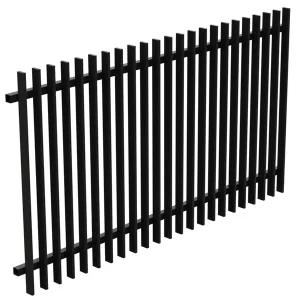
Anti-climb configurations represent one of the most practical safety considerations. Narrow picket spacing eliminates the hand and foot holds that make climbing possible. Some designs incorporate smooth vertical surfaces that offer nothing to grip. These aren’t arbitrary choices—they reflect real-world observations about how children interact with barriers.
Pinch-point prevention addresses a less obvious but equally important concern. The gaps in gates and fence panels need to be sized so that small fingers, hands, or heads cannot become trapped. This sounds straightforward until you consider the range of ages and sizes present in a typical school environment.
Gate mechanisms deserve particular attention. Self-closing and self-latching hardware ensures that gates return to a secured position after each use. This matters because relying on human memory to close gates consistently is a losing strategy, especially in busy school settings where dozens of people pass through entry points throughout the day.
| Feature Category | Specific Feature | Benefit for Child Safety |
|---|---|---|
| Anti-Climb | Narrow Picket Spacing | Prevents hand/foot holds |
| Injury Prevention | Smooth Edges & Finishes | Eliminates sharp points |
| Access Control | Self-Closing/Latching Gates | Ensures gates remain secure |
| Material Safety | Non-Toxic Powder Coatings | Safe for incidental contact |
The coating applied to aluminum fencing also factors into safety considerations. Non-toxic powder coatings mean that incidental contact—and with children, contact is constant—doesn’t introduce chemical exposure concerns.
Meeting Regulatory Requirements Without Compromise
Aluminum fencing systems tend to align well with regulatory standards, partly because the material itself offers design flexibility that other options cannot match.
ADA compliance represents one dimension of this. Accessible gate widths, appropriate hardware heights, and smooth operation all contribute to ensuring that fencing doesn’t create barriers for individuals with disabilities. Schools serve diverse populations, and perimeter solutions need to accommodate everyone.
Local building codes vary considerably, but aluminum fencing can typically be configured to meet specific requirements for fence height, picket spacing, and structural integrity. Material certifications verify that components meet established standards for strength and durability.
The installation process itself falls under regulatory scrutiny in many jurisdictions. Proper footing depths, post spacing, and hardware specifications all factor into whether a fence installation passes inspection. Working with experienced installers who understand local requirements prevents costly corrections after the fact.
Why Aluminum Outlasts the Alternatives
The durability question matters enormously for educational facilities operating on tight budgets with limited maintenance staff.
Aluminum doesn’t rust. This single property eliminates the most common failure mode for metal fencing in outdoor environments. Steel fences, even galvanized ones, eventually develop rust spots that spread and weaken the structure. Aluminum forms a protective oxide layer that prevents this degradation.
Weather resistance extends beyond corrosion. Aluminum fencing maintains its structural integrity through temperature extremes, UV exposure, and moisture cycles that would compromise wood or damage inferior coatings on steel products. Schools in coastal areas or regions with harsh winters particularly benefit from this resilience.
The practical lifespan often exceeds 20 years with minimal intervention. Maintenance typically amounts to periodic cleaning with soap and water to remove accumulated dirt. No painting. No staining. No rust treatment. For facilities where maintenance budgets are perpetually stretched thin, this represents a significant operational advantage.
Appearance and Environmental Considerations
Fencing contributes to the visual character of school grounds, and aluminum offers more aesthetic flexibility than most people realize.
Color options extend well beyond the standard black or white. Powder coating technology allows for a range of colors that can complement existing architecture or match school colors. Design variations—from traditional picket styles to more contemporary profiles—provide options for different architectural contexts.
The environmental profile of aluminum fencing deserves mention. Aluminum is one of the most recyclable materials in common use. The energy required to recycle aluminum is a fraction of what’s needed to produce new material from ore. For schools pursuing sustainability initiatives or green building certifications, this recyclability aligns with broader environmental goals.
Working With the Right Manufacturing Partner
The quality of aluminum fencing varies significantly depending on the manufacturer’s capabilities and quality control processes.
Hubei Yulong Building Materials Co., Ltd. operates automated production lines that ensure consistency across large orders. This matters for school projects where uniformity across an extended perimeter is essential. Their surface treatment technology produces coatings with excellent corrosion resistance and weather durability—characteristics that translate directly into long-term performance.
The company specializes in residential and commercial fences, balcony and platform railings, and various gate systems. This breadth of experience means they understand the specific requirements that different applications demand.
Getting Started With Your Fencing Project
Hubei Yulong Building Materials Co., Ltd. manufactures aluminum and zinc steel fencing systems for urban safety protection and environmental beautification applications. For custom aluminum fence quotes or professional consultation on municipal, residential, or commercial projects, reach out at +8619086315193 or sales01@yulongkeji-ch.com.
Frequently Asked Questions About School and Playground Fencing
Are aluminum fences genuinely safe for children and environmentally responsible?
Aluminum fencing earns its reputation for child safety through specific design choices: non-toxic powder coatings that pose no risk during contact, smooth finishes that eliminate sharp edges, and configurable designs that prevent climbing or entrapment. On the environmental side, aluminum is completely recyclable without degradation of material properties. Schools committed to sustainability find that aluminum fencing aligns with those values while delivering the safety performance they require.
What should schools prioritize when evaluating fence suppliers?
Experience with commercial and municipal projects matters because these environments have stricter requirements than residential applications. Look for suppliers who can demonstrate compliance with relevant safety standards and who operate manufacturing facilities with quality control processes. Product durability, corrosion resistance, and warranty terms all factor into the total cost of ownership. Hubei Yulong Building Materials Co., Ltd. brings advanced manufacturing capabilities and a track record in these demanding applications.
How does aluminum fencing improve overall school security?
The security contribution starts with establishing a clear, visible perimeter that defines the boundary of school property. Robust construction and anti-climb features deter unauthorized access attempts. Secure gate systems with self-closing mechanisms ensure that entry points don’t remain open accidentally. Beyond deterrence, well-designed aluminum fencing helps guide pedestrian traffic and creates controlled access points where visitor management can occur. These elements combine to protect students, staff, and school assets.