
Sourcing aluminum fencing from overseas sounds straightforward until you’re knee-deep in shipping documents, quality disputes, and customs delays. The price advantage that drew you in can evaporate quickly if the wrong supplier ships substandard material or if your logistics partner drops the ball at a critical moment. Getting this right means asking the hard questions before any money changes hands—and knowing which answers actually matter.
What Separates a Reliable Aluminum Fence Supplier from a Risky One
The first conversation with any potential supplier tells you more than their sales pitch. Company registration documents and operational history give you a baseline, but the real test comes from seeing the factory floor. A proper facility audit reveals whether they run automated production lines or rely on inconsistent manual processes. Automated systems matter because they deliver uniform output—every panel, every post, every weld point matches the last one.
Look for ISO 9001 certification as a starting point, but don’t stop there. Request client references and actually call them. Ask about order accuracy, communication responsiveness, and how the supplier handled problems when they arose. Production capacity deserves attention too. A manufacturer that struggles to scale when you increase order volume will leave you scrambling to meet project deadlines. Hubei Yulong Building Materials Co., Ltd. operates advanced automated production lines specifically designed to maintain precision across high-volume runs of aluminum and zinc steel fencing systems.
Material Specifications That Determine Whether Your Fence Lasts or Fails
Aluminum alloy grades vary significantly in structural performance and corrosion resistance. The specification sheet matters—generic “aluminum” descriptions without alloy designations should raise immediate concerns. Surface treatment selection directly affects how the fence weathers over time. Powder coating remains the dominant choice for general applications, but coastal installations or harsh industrial environments may require PVDF coating for superior weathering performance.
| Surface Treatment Option | Key Benefit | Application | Durability |
|---|---|---|---|
| Powder Coating | Enhanced Corrosion Resistance | General Fencing | High |
| Anodizing | Increased Hardness | Architectural | Medium |
| PVDF Coating | Superior Weathering | Coastal Areas | Very High |
Testing protocols should cover coating thickness, adhesion strength, and impact resistance. Establish these quality control checkpoints before production begins, not after containers arrive at your port. When specifying an Aluminum Privacy Fence or Aluminum Security Fence, these material details determine whether you’re installing a twenty-year asset or a five-year headache.
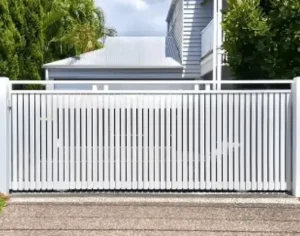
Our Aluminum Slat Fence panels combine privacy screening with clean modern lines—the kind of aesthetic that works equally well in residential courtyards and commercial perimeters.
The Hidden Costs That Blow Up Import Budgets
Shipping quotes represent only part of the total landed cost. Customs duties, port handling fees, demurrage charges for delayed container pickup, and inland freight all add up. A logistics partner with specific experience in fencing imports can identify potential cost traps before they become expensive surprises.
Documentation accuracy prevents the most common delays. Commercial invoices, packing lists, and bills of lading must align perfectly—discrepancies trigger customs holds that cost money every day the container sits. Payment terms deserve careful negotiation. Letters of credit provide protection for both parties, while staged payments tied to production milestones and shipping confirmations reduce exposure for the buyer.
Compliance extends beyond paperwork. Import regulations vary by destination country, and product-specific requirements for fencing materials may apply. Working with experienced customs brokers familiar with aluminum fence imports saves time and prevents rejected shipments.
For projects requiring both security and design flexibility, our Aluminum Fence Gate and Aluminum Screen Fence Panels offer durable solutions with low maintenance requirements.
What Happens When Something Goes Wrong After Delivery
Warranty terms reveal how much a manufacturer stands behind their product. Coverage should specify duration, what defects qualify, and the claims process. Vague warranty language often signals weak commitment to post-sale support.
Response time expectations matter for ongoing projects. If a batch arrives with coating defects, how quickly can the supplier provide replacement material? What dispute resolution mechanisms exist if quality issues arise? These questions feel awkward to ask during the sales process, but they become critical when problems surface.
Documentation of all agreements—specifications, quality standards, delivery timelines, warranty terms—creates the foundation for resolving disputes without extended legal battles. Hubei Yulong maintains support relationships beyond delivery, recognizing that fencing systems represent long-term infrastructure investments.
The Mistakes That Cost Importers the Most Money
Quality discrepancies top the list of import failures. The sample looked perfect, but the bulk shipment doesn’t match. Third-party inspection services at the factory, before shipping, catch these problems when correction is still possible.
| Pitfall | Mitigation Strategy |
|---|---|
| Quality Discrepancies | Third-party inspections, detailed specifications |
| Communication Barriers | Clear communication protocols, professional translation |
| Unforeseen Costs | Comprehensive cost analysis, contingency budget |
| Lead Time Production Delays | Diversified sourcing, buffer time in project schedule |
| Regulatory Non-Compliance | Expert customs brokers, thorough documentation |
Communication breakdowns across time zones and languages create misunderstandings that compound over time. Establishing clear protocols—who contacts whom, through what channels, with what response time expectations—prevents small miscommunications from becoming major problems.
Production delays happen even with reliable suppliers. Building buffer time into project schedules and maintaining relationships with backup suppliers provides insurance against timeline disruptions.
The complexity of international procurement rewards preparation. Manufacturers with strong corrosion resistance, proven weather durability, and documented long service life deliver value that justifies the effort of sourcing overseas.
For aluminum and zinc steel fencing backed by automated production and advanced surface treatment technology, Hubei Yulong Building Materials Co., Ltd. serves municipal, residential, and commercial projects requiring reliable long-term performance. Contact us at +8619086315193 or sales01@yulongkeji-ch.com to discuss your project requirements.
Frequently Asked Questions About Importing Fencing
How can I verify the quality and reliability of a Chinese fence manufacturer?
Start with documentation—company registration, factory audit reports, ISO certifications, and client references you can actually contact. Request detailed material specifications and quality control records for their aluminum and zinc steel fencing systems. The willingness to provide this information tells you something about the manufacturer’s confidence in their operation. Hubei Yulong welcomes this level of scrutiny because our automated production lines and surface treatment processes hold up to examination.
What certifications or standards should I look for in imported aluminum fencing?
ISO 9001 certification indicates quality management systems are in place. Beyond that, look for product-specific standards addressing corrosion resistance and structural integrity relevant to your application. Environmental compliance certifications matter for projects with sustainability requirements. The specific standards that apply depend on your destination market and end use—residential installations may have different requirements than municipal infrastructure projects.
What are the typical lead times and payment terms for importing aluminum fences from China?
Production and shipping timelines typically run 30 to 60 days, varying with order volume, customization requirements, and current production schedules. Payment structures commonly involve 30% deposits with balances due before shipment, though terms are negotiable based on order size and relationship history. Transparent timeline communication and flexible payment arrangements characterize reputable manufacturers—Hubei Yulong provides both as standard practice.