
When I first started recommending fencing materials to homeowners, aluminum wasn’t even on most people’s radar. Wood felt traditional, wrought iron looked impressive, and that was about it. But after watching dozens of wood fences rot out within a decade and iron gates turn into rust projects, my thinking shifted. Aluminum fencing for residential gardens has quietly become the material I point people toward most often now, and the reasons go beyond just “it doesn’t rust.”
What Actually Makes Aluminum Fencing Work in Garden Settings
Aluminum fencing for residential gardens makes sense once you understand what garden environments do to materials. Soil moisture wicks up. Sprinkler systems create constant wet-dry cycles. Fertilizers and mulch release acids. These conditions destroy wood and accelerate iron corrosion, but aluminum handles them without complaint.
The corrosion resistance comes from aluminum’s natural oxide layer, which forms immediately when the metal contacts air and acts as a protective barrier. Modern manufacturing adds to this with powder-coated finishes and surface treatments that create self-cleaning properties and weather durability measured in decades rather than years. Automated production lines now deliver consistency that wasn’t possible even ten years ago.
| Feature | Aluminum Fence | Wood Fence | Wrought Iron Fence |
|---|---|---|---|
| Durability | Excellent | Moderate | Good |
| Maintenance | Low (No painting/staining) | High (Regular painting/staining) | Moderate (Rust prevention) |
| Corrosion | Resistant | Susceptible | Highly Susceptible |
| Lifespan | 20-30+ years | 10-15 years | 15-20 years |
| Environmental | Recyclable | Renewable (requires treatment) | Energy-intensive production |
The recyclability factor matters more than most homeowners initially realize. Aluminum can be recycled indefinitely without losing structural properties, which aligns with sustainable building practices that many municipalities now encourage or require.
Style Options That Actually Fit Real Homes
The design flexibility of aluminum fencing for residential gardens has expanded dramatically. This isn’t the industrial-looking material from commercial properties anymore.
aluminum picket fence designs deliver that traditional neighborhood aesthetic without the splitting and warping that wood pickets develop. The proportions and spacing can match historic styles closely enough that they work on Victorian-era homes. Aluminum Slat Fence panels take the opposite approach, offering clean horizontal lines that complement modern architecture. Ornamental options with decorative finials and scrollwork exist for properties where elegance matters.
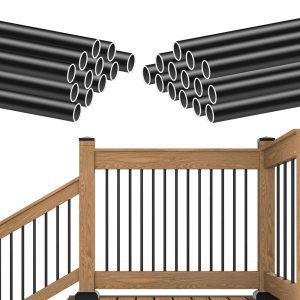
Custom configurations handle unusual situations well. Sloped terrain, curved property lines, and non-standard heights all become manageable with aluminum in ways that rigid materials struggle with.
What makes aluminum fences ideal for residential gardens?
The combination of corrosion resistance and design versatility sets aluminum apart in garden applications. Soil contact and irrigation exposure don’t trigger the degradation that affects wood and iron. The material accepts powder coating in virtually any color, so matching existing landscaping and architecture becomes straightforward. Environmental considerations favor aluminum too, since it requires no chemical treatments and remains fully recyclable at end of life.
Balancing Security, Privacy, and Visual Appeal
Garden perimeter design involves trade-offs that aluminum fencing handles better than most alternatives.
Height drives both security and privacy. Taller Aluminum Privacy Fence installations block sightlines and discourage climbing, while shorter options define boundaries without creating visual barriers. Local fence height regulations vary significantly, so checking requirements before specifying dimensions saves headaches later.
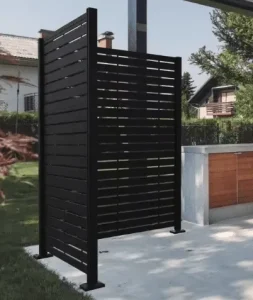
Color selection affects curb appeal more than people expect. Powder-coated finishes now come in dozens of options beyond basic black and white. Matching existing trim colors or choosing complementary tones can make a fence feel integrated rather than imposed.
Families with children or pets need specific configurations. Picket spacing matters for pet containment, and designs without horizontal rails that could serve as climbing footholds improve child safety. These details affect both function and property value.
How do I choose the best aluminum fence style to match my home’s architecture?
Start with your home’s architectural period and work outward. Modern homes with flat roofs and minimal ornamentation pair naturally with horizontal slat designs. Traditional homes with detailed trim work often look better with picket or ornamental styles that echo existing decorative elements. The surrounding landscape matters too. A fence that works with mature plantings and established garden beds will feel more natural than one that ignores them.
Article Recommendation: If you are looking for comprehensive solutions, check 《YLOONG Solutions: Engineered for Security, Designed for Performance》.
Getting Installation Right for Long-Term Performance
Installation quality determines whether aluminum fencing for residential gardens reaches its full lifespan potential. The material itself can last 20-30 years or longer, but poor installation undermines that.
DIY fence installation works for straightforward layouts on level ground. The material is lighter than iron and doesn’t require the specialized tools that welding demands. Professional fence installation makes more sense for complex terrain, large projects, or situations where local permits require licensed contractors.
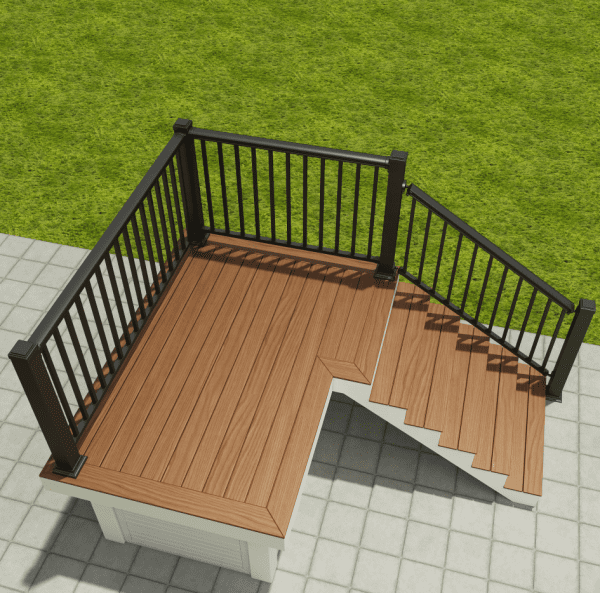
Post setting depth and concrete curing time affect stability for the fence’s entire service life. Rushing this step creates problems that show up years later as leaning sections or gate alignment issues.
The cost of aluminum fencing looks different when calculated over the full ownership period. Higher upfront material costs get offset by near-zero maintenance expenses and replacement costs that simply don’t materialize the way they do with wood or iron.
Are aluminum fences truly maintenance-free compared to other materials?
Calling them maintenance-free overstates things slightly. Occasional cleaning with soap and water keeps powder-coated surfaces looking fresh, and checking hardware annually catches loose fasteners before they become problems. But compared to wood’s annual staining requirements or iron’s ongoing rust prevention needs, the maintenance burden drops dramatically. No painting, no chemical treatments, no structural repairs from rot or corrosion.
Where Aluminum Fencing Technology Is Heading
The aluminum fencing industry keeps advancing in ways that affect residential applications directly.
Smart home integration is moving from concept to reality. Fences now accommodate built-in lighting, security sensors, and connections to automated gate systems. These features work particularly well with aluminum because the material doesn’t interfere with wireless signals the way some metals do.
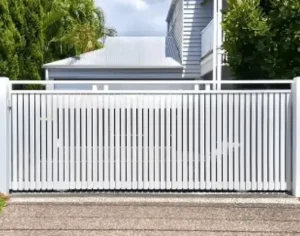
Color options continue expanding beyond the traditional palette. Homeowners now have access to wood-grain finishes, textured surfaces, and colors that match specific architectural styles. Manufacturing processes have become more sustainable, with increased use of recycled content and energy-efficient production methods.
Surface treatment technology keeps improving corrosion resistance and self-cleaning performance. These advances extend service life and reduce the already minimal maintenance requirements.
Partner with Hubei Yulong for Your Fencing Needs
Hubei Yulong Building Materials Co., Ltd. delivers aluminum fencing for residential gardens through automated production lines and advanced surface treatment technology. The combination produces consistent quality with the durability, aesthetic range, and performance that garden applications demand. Contact +8619086315193 or sales01@yulongkeji-ch.com for consultation on how these systems can work for your specific property requirements.
Frequently Asked Questions About Aluminum Garden Fences
What is the typical lifespan of an aluminum fence in a residential garden setting?
Quality aluminum fencing with proper surface treatments typically lasts 20-30 years, with many installations exceeding that range. The material doesn’t degrade from moisture exposure the way wood does, and the protective coatings prevent the oxidation issues that limit iron fence lifespans. Garden environments with irrigation and soil contact don’t accelerate wear the way they do with other materials.
Can aluminum fences be customized to match specific garden aesthetics or home colors?
Customization options have expanded significantly. Powder coating accepts virtually any color, and manufacturers offer finishes ranging from matte to glossy to textured. Height adjustments, decorative elements, and panel configurations can all be specified to match existing architecture and landscaping. The flexibility makes aluminum work across property styles that would require completely different materials in the past.
Are aluminum fences suitable for homes with pets or small children?
Aluminum works well for both pet containment and child safety when configured appropriately. Picket spacing can be specified to prevent pets from squeezing through, and designs without horizontal rails eliminate climbing footholds. The material doesn’t splinter like wood or develop rust edges like iron, reducing injury risks. Durability means the fence maintains its protective function without developing gaps or weak points over time.
What is the environmental impact of choosing aluminum fencing for my garden?
Aluminum carries environmental advantages at multiple points. The material is 100% recyclable without property degradation, and production increasingly incorporates recycled content. Long service life means fewer replacement cycles compared to wood. No chemical treatments are required for preservation, eliminating the runoff concerns associated with pressure-treated lumber. Manufacturing efficiency continues improving as production technology advances.