
Choosing a fence material feels like one of those decisions that seems simple until you actually start comparing options. Aluminum and steel both look solid on paper, but they behave very differently once installed. The weight, the way they handle moisture, how they age over a decade or two — these details matter more than most people realize when they’re standing in front of a property trying to figure out what makes sense.
How Aluminum and Steel Fencing Actually Differ at the Material Level
Aluminum and steel fencing represent fundamentally different approaches to the same problem. Aluminum fencing properties center on a natural advantage: the metal forms a passive oxide layer on its surface when exposed to air, which acts as a built-in shield against corrosion. This happens without any additional treatment, making aluminum fencing particularly useful in coastal areas or anywhere humidity stays high. The material itself weighs considerably less than steel, which affects everything from shipping costs to installation logistics.
Steel fencing takes a different path. As an iron alloy, steel doesn’t naturally resist corrosion the way aluminum does. Zinc steel fencing addresses this through surface treatment technology — specifically galvanization, where a zinc coating bonds to the steel surface. A powder coating layer goes on top of that, creating a multi-barrier system for rust prevention. This approach works well, but it means the protection comes from applied treatments rather than inherent material properties.
| Property | Aluminum Fencing | Zinc Steel Fencing |
|---|---|---|
| Composition | Lightweight metal, forms protective oxide | Iron alloy, requires protective coatings |
| Corrosion Resist. | Excellent, natural passivation | High, due to galvanization and powder coating |
| Strength | Moderate, suitable for many applications | High, ideal for heavy-duty security |
| Weight | Low | High |
| Surface Treatment | Powder coating for aesthetics/added protection | Galvanized steel, then powder coating |
How Long Each Material Actually Lasts
The durability question comes down to what environment the fence will face. Aluminum fencing handles coastal conditions remarkably well because salt spray doesn’t trigger the same degradation cycle you see with ferrous metals. The material maintains its weather durability without the constant battle against rust that defines steel maintenance in harsh environments. UV resistance keeps the finish from fading noticeably over years of sun exposure, and the smooth powder-coated surfaces tend toward self-cleaning performance — rain washes away most surface contamination.
Zinc steel fencing achieves comparable durability through its layered protection system. The galvanization creates a sacrificial barrier, meaning the zinc corrodes preferentially before the underlying steel gets affected. Combined with quality powder coating, this dual-layer approach delivers solid weather durability even in demanding conditions. Both materials score well on environmental impact because they’re recyclable and don’t need frequent replacement when properly specified.
What is the average lifespan of aluminum versus steel fencing?
Aluminum fences routinely exceed 20 years, with many installations reaching 30 to 50 years when the initial manufacturing quality and powder coating meet reasonable standards. Zinc steel fencing systems with proper galvanization and powder coating typically achieve 20 to 30 years or more. The actual numbers depend heavily on local conditions — a fence near the ocean faces different challenges than one in a dry inland climate. Maintenance habits and installation quality also shift these timelines significantly.
The Real Cost Picture Over Time
Initial price tags tell only part of the story. Aluminum fencing qualifies as low maintenance fencing because the material simply doesn’t rust. No repainting, no rust treatment, no gradual degradation that demands intervention. Cleaning usually means soap, water, and occasional effort. The installation cost for aluminum sometimes runs higher than basic steel options, but the minimal maintenance requirements often produce a lower lifecycle cost when you calculate expenses over 15 or 20 years.
Steel fencing demands more attention to maintenance requirements. Even with galvanization and powder coating providing excellent initial protection, periodic inspections help catch chips or scratches before moisture reaches the steel underneath. Repair costs can escalate if significant rust develops because proper restoration requires surface preparation and recoating rather than simple touch-ups. That said, steel’s initial cost often comes in lower, which matters for large-scale projects where upfront budget constraints are real. The self-cleaning performance of smooth finishes helps reduce cleaning frequency for both materials.
| Feature | Aluminum Fencing | Zinc Steel Fencing |
|---|---|---|
| Initial Cost | Moderate to High | Low to Moderate |
| Maintenance | Very Low (occasional cleaning) | Low (periodic inspection, minor touch-ups) |
| Corrosion Repair | Rarely needed | Potential for spot repair if coating compromised |
| Lifecycle Cost | Often lower due to minimal maintenance | Competitive, depending on maintenance diligence |
| Cleaning | Easy, self-cleaning performance | Easy, self-cleaning performance |
How does the maintenance of aluminum fences compare to steel fences?
Aluminum fences require considerably less ongoing attention because they don’t rust at all. No painting, no rust treatment, no gradual surface degradation. Regular cleaning with water and mild detergent handles most situations. Steel fences benefit from periodic coating inspections even when galvanization and powder coating provide strong initial protection. Catching small coating failures early prevents larger rust problems later, particularly in environments with high moisture or salt exposure.
Where Each Material Makes the Most Sense
The aluminum versus steel decision often comes down to what the fence needs to accomplish. Aluminum fencing offers exceptional design versatility because the lighter material allows for intricate patterns and varied configurations without structural compromise. This makes aluminum a natural fit for residential fences and balcony railings where the fence needs to complement architectural details rather than just mark a boundary. The weight advantage also expands options for single-open gates and double-open gates.
Steel fencing excels when security and structural integrity take priority. The inherent strength of zinc steel fencing makes it the logical choice for commercial fences, municipal projects, and industrial parks where perimeter security matters more than decorative appeal. Steel can certainly be customized with various powder coatings, but the aesthetic tends toward functional rather than ornamental. Both materials work well for stair handrails and various gate configurations, with the choice depending on whether the application emphasizes appearance or resistance to force.
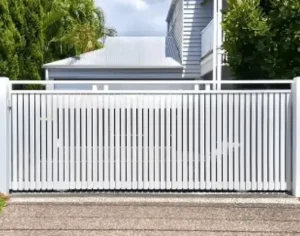
!Aluminum slat fence panels
 ### Which fencing material offers better security for commercial properties?
Steel fencing provides superior security for commercial applications because of its higher tensile strength and rigidity. Zinc steel fencing systems engineered for heavy-duty use resist intrusion attempts and impact forces that would compromise lighter materials. Aluminum fences can be designed with security in mind, but steel maintains an undeniable advantage when the threat model includes forced entry or severe external pressure. For high-security commercial installations, steel remains the standard recommendation.
Installation Realities and Environmental Considerations
Weight differences between aluminum and steel fencing affect installation in practical ways. Aluminum’s lighter profile simplifies handling, potentially reducing labor costs and making DIY fence installation more realistic for property owners comfortable with the work. Modular aluminum components manufactured to consistent specifications allow efficient on-site assembly.
Steel fencing requires more robust anchoring and handling equipment due to its weight. Professional installation is frequently the better choice for steel because secure mounting maximizes the security benefits the material provides. From an environmental perspective, both aluminum and steel are highly recyclable, supporting sustainable fencing practices. The extended service life of both materials reduces replacement frequency, which matters for long-term environmental impact calculations.
Matching the Material to Your Actual Needs
The aluminum versus steel decision ultimately depends on what matters most for a specific project. When aesthetic appeal, corrosion resistance, and minimal maintenance drive the requirements — particularly for residential settings or coastal locations — aluminum fencing makes a strong case. The design flexibility and finish options contribute to property value enhancement in ways that matter for curb appeal.
When maximum security, structural strength, and heavy-duty performance define the requirements, zinc steel fencing fits better. Commercial fences and industrial perimeters benefit from steel’s resistance to force and its proven track record in demanding applications. The right choice balances initial investment against lifecycle costs, maintenance expectations, and the functional requirements that actually matter for the property in question.
Get Expert Guidance on Your Fencing Project
Hubei Yulong Building Materials Co., Ltd. manufactures both aluminum and zinc steel fencing systems engineered for durability, aesthetics, and environmental protection. Contact our team at +8619086315193 or sales01@yulongkeji-ch.com for consultation tailored to your residential, commercial, or municipal requirements.
Frequently Asked Questions About Fencing Materials
Are aluminum fences strong enough for high-security applications?
Steel generally offers superior strength for heavy-duty security, but modern aluminum fences with reinforced designs and proper installation provide adequate security for many residential and light commercial applications. For high-security commercial projects, zinc steel fencing systems are typically recommended because of their inherent rigidity and impact resistance.
Can aluminum and steel fences be customized to match specific architectural styles?
Both aluminum and steel fencing materials support extensive customization in design, color, and finish. Advanced surface treatment technology, including various powder coatings, allows fences to complement architectural styles ranging from classic to contemporary while maintaining excellent corrosion resistance and aesthetic appeal.
What are the environmental benefits of choosing aluminum or steel fencing?
Both aluminum and steel are highly recyclable materials that support sustainable building practices. Efficient manufacturing processes reduce waste during production. The long service life and low maintenance requirements of quality fences also reduce replacement frequency, which minimizes environmental impact over the full lifecycle of the installation.