
Getting fence posts to stay put sounds simple until you’re standing in a half-dug hole, staring at soil that won’t cooperate. The anchoring method you choose—concrete, spike, or bracket—shapes everything that follows: how the fence handles wind loads, whether posts shift over seasons, and how many years you get before repairs become unavoidable. Each approach has its place, but matching the method to your specific conditions makes the difference between a fence that holds and one that slowly leans its way toward replacement.
Concrete Anchoring Delivers Permanent Structural Stability
Concrete anchoring remains the default choice for permanent and heavy-duty fence installations because it creates an immovable foundation. The process embeds fence posts directly into the ground within a concrete mass, forming a base that resists uplift, lateral pressure, and the slow degradation that moisture and freeze-thaw cycles inflict on exposed materials.
The physics here work in your favor. Concrete distributes load across a larger soil contact area, which matters enormously in regions with expansive clay or sandy substrates that would otherwise allow post migration. High-wind zones particularly benefit from this approach—the concrete mass acts as ballast, preventing the rocking motion that loosens posts over time.
Zinc steel fencing systems anchored in concrete reach their full service potential. The combination addresses both above-ground corrosion resistance and below-ground structural demands, which is why this pairing dominates commercial and residential projects where longevity justifies the upfront labor investment.
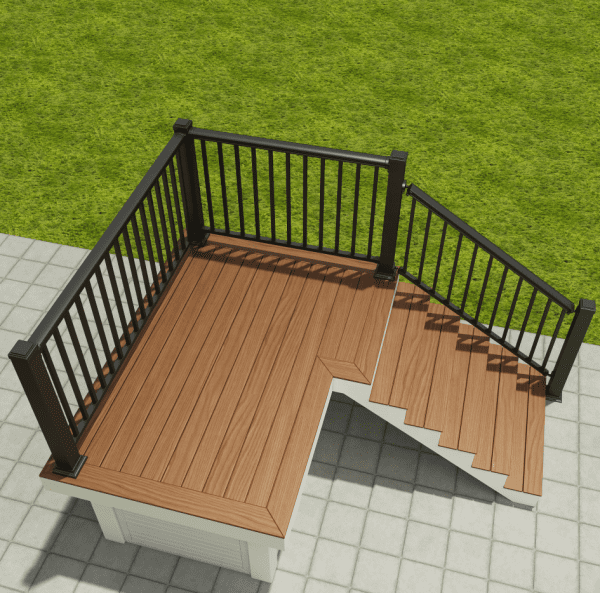 For projects demanding unwavering stability and extended service life, concrete anchoring warrants serious consideration. If you’re evaluating engineered fencing for demanding applications, 《YLOONG Solutions: Engineered for Security, Designed for Performance》 covers system-level design approaches worth reviewing.
Spike Anchors Work Well for Lighter Applications
Spike anchors solve a different problem: getting a fence up quickly without excavation or concrete mixing. These galvanized steel points drive directly into the ground, creating an immediate mounting point for posts. The trade-off is straightforward—faster installation in exchange for reduced holding power.
Garden borders, temporary event fencing, and lightweight privacy screens represent the sweet spot for spike anchors. DIY fence installation projects often favor this approach because the barrier to entry is low: no specialized tools, no curing time, no disposal of excavated soil.
Soil conditions determine whether spikes perform adequately. Firm, compacted ground provides the friction these anchors need. Loose fill, sandy substrates, or waterlogged soil undermines their grip, sometimes dramatically. A spike that feels solid during installation can work loose within months if the surrounding soil lacks density.
| Feature | Spike Anchors | Concrete Anchoring |
|---|---|---|
| Installation Time | Fast | Moderate to Slow |
| Cost | Low | Moderate to High |
| Durability | Moderate (Light-Duty) | High (Heavy-Duty) |
| Soil Suitability | Firm, stable soil | All soil types |
| Post Size Limit | Smaller posts | All post sizes |
Bracket Anchoring Suits Existing Surfaces and Structures
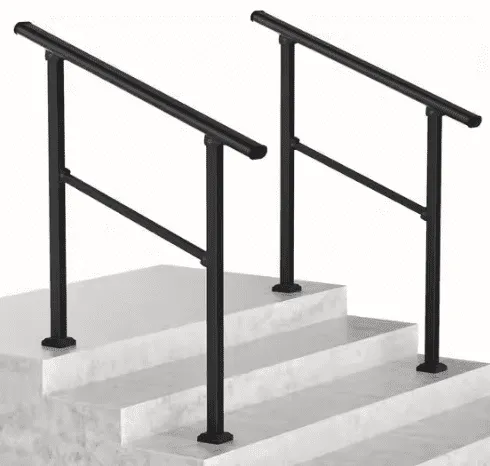
Bracket anchoring opens possibilities that ground-penetrating methods cannot address. When fence posts need to attach to existing concrete slabs, decking, or masonry walls, brackets provide the mechanical connection without requiring excavation.
Patios and balconies frequently present this scenario. Underground utilities, tree roots, or simply the presence of finished hardscape makes digging impractical or prohibited. Brackets bypass these constraints entirely, transferring loads through fasteners into the existing structure rather than into soil.
Aluminum Balcony Railing and Aluminum Deck Railing System installations commonly rely on bracket anchoring for this reason. The method integrates fencing into architectural elements that already exist, maintaining clean sight lines while achieving secure connections. Aluminum and zinc steel brackets provide the corrosion resistance these exposed applications demand.
Several Factors Should Guide Your Anchoring Decision
The optimal fence post anchoring method emerges from weighing multiple variables simultaneously. Fence type matters—a Residential Iron Fence carrying substantial weight needs a foundation that lighter garden fencing does not. Soil composition, budget constraints, expected service life, and local building codes all influence the calculation.
Projects in frost-prone regions face additional considerations. Concrete footings must extend below the frost line to prevent heaving, which increases excavation depth and material volume. Spike anchors in these climates risk seasonal movement as the ground freezes and thaws.
Budget constraints sometimes push decisions toward faster, cheaper methods. This works for temporary installations but creates false economy for permanent fencing. The labor cost of replacing a failed anchor system typically exceeds the savings from cutting corners initially.
Quality Materials and Proper Installation Determine Final Performance
Even the best anchoring method fails if paired with inferior materials or sloppy installation. This relationship works both ways—premium fencing materials cannot compensate for inadequate foundations.
Aluminum and zinc steel fencing systems undergo surface treatments including powder coating and galvanization that provide exceptional corrosion resistance and weather durability. These processes protect against the environmental exposure that degrades lesser materials, but the protection only delivers full value when the structural foundation matches the material quality.
Installation technique matters at every stage. Concrete must cure properly before loading. Spike anchors require driving to full depth without deflection. Bracket fasteners need appropriate torque and corrosion-resistant hardware. Attention to these details separates installations that perform for decades from those that develop problems within years.
Making the Right Choice for Your Project
Fence post anchoring selection—concrete, spike, or bracket—establishes the structural baseline for everything built above it. Concrete delivers unmatched durability for permanent installations, handling environmental forces that would compromise lighter methods. Spike anchors offer speed and simplicity for appropriate applications, provided soil conditions support them. Bracket anchoring solves the specific challenge of mounting to existing structures without excavation.
The decision ultimately reflects project priorities: permanence versus flexibility, upfront cost versus long-term value, installation speed versus structural margin. Understanding how each method performs under your specific conditions leads to choices that hold up over time.
Frequently Asked Questions About Fence Post Anchoring
What is the most durable fence post anchoring method?
Concrete anchoring provides the highest durability for fence post installations. The method resists uplift forces, lateral movement, and environmental degradation more effectively than alternatives. This performance advantage becomes most apparent in heavy-duty and permanent applications where structural demands are greatest. Pairing concrete anchoring with quality aluminum and zinc steel fencing extends overall system lifespan significantly.
How do soil conditions affect fence post anchor choice?
Soil composition directly influences which anchoring methods will perform adequately. Loose or sandy soils typically require concrete to achieve acceptable stability. Dense clay may support spike anchors for lighter fences but still benefits from concrete when loads increase. Rocky ground complicates excavation for concrete footings, sometimes making surface-mounted brackets or specialized techniques more practical. Testing your soil before committing to a method prevents expensive corrections later.
Are fence post spikes suitable for all types of fences?
Spike anchors suit lighter, temporary, or semi-permanent fence types including garden fences, Wire Mesh Fence Panels, and lightweight privacy screens—particularly in firm soil. Heavy-duty fences, tall installations, and fencing in high-wind areas generally exceed what spikes can reliably support. The stability and uplift resistance these demanding applications require typically calls for concrete or robust bracket systems instead.
Partner with Hubei Yulong for Engineered Fencing Solutions
Quality fencing projects deserve materials and expertise that match the investment. Hubei Yulong manufactures aluminum and zinc steel fencing systems engineered for exceptional corrosion resistance, weather durability, and self-cleaning performance. Our advanced surface treatment processes and commitment to environmental responsibility deliver fencing that performs reliably while contributing to urban safety and aesthetic improvement. Contact us at +8619086315193 or sales01@yulongkeji-ch.com to discuss your project requirements.